Ts’il Kaz Koh

Our Nation. Our Future.

Community • Culture • Opportunity • Nation

2026 Fall Report

Cover art: a caribou, a beaver, a frog and a bear, drawn in white on four colour fields above a spruce tree line, with an eagle overhead.

Our People Our Land Our Territory and Partners Our Future

Dear Members,

One of the commitments Council and I made to membership is to keep you informed about the work underway across our Nation, the progress we are making, and the opportunities and challenges that lay ahead.

Our Nation. Our Future. is an important part of that commitment.

The title was chosen with purpose. This is our Nation, and its future belongs to all of us. The decisions we make, the work we undertake and the foundations we build today will help shape the lives and opportunities of our people for generations to come.

As we brought together the information for this first report, I was struck by just how much important work is taking place across so many areas of our Nation. I felt an enormous sense of pride in the dedication, determination and hard work of our staff, leadership and community members, all contributing in different ways to building a stronger future for our people.

Much of this work happens quietly, behind the scenes, and may not always be visible to everyone. But when you see it brought together in one place, you begin to appreciate just how much is being accomplished, and how these individual efforts are connected by a shared purpose; strengthening our Nation, supporting our people, protecting what matters to us and creating opportunities for our children, grandchildren and the generations that follow.

This report is also about accountability. Our members deserve to know what is being done on their behalf, why it matters and where we are headed together.

Our Nation. Our Future. is intended to be an annual report and part of an ongoing conversation with membership. We will also provide quarterly updates to share progress, highlight important developments, and speak openly about the work and challenges still ahead.

There is much to be proud of, and much more to accomplish. My hope is that this report not only gives you a better understanding of the work underway, but also a sense of pride in the future we are working to build – together.

Chief Wes Sam
Ts’il Kaz Koh Nation

2026 Fall Report

’udada

The four sections of this report

usnedut’en

The year at a glance

Deniwh dïlh

Introduction

Building a strong Nation is about more than any one project, program or opportunity.

It begins with our people.

It means creating opportunities for our youth to connect with one another, our Elders, our culture and the land. It means protecting our language and ensuring that the knowledge carried by one generation is passed to the next. It means bringing members together, wherever they live, and creating more opportunities to participate in the life and future of Ts’il Kaz Koh.

But Nation building also means looking ahead.

Across our territory and throughout the region, significant change is taking place. Major infrastructure, energy and economic opportunities are emerging that could shape our lands and communities for generations.

Ts’il Kaz Koh must be ready.

That means strengthening our governance and capacity. It means building relationships with other Nations. It means protecting our interests and responsibilities to the land. And it means exploring opportunities that could create employment, training, own-source revenues and greater economic independence for our people.

From language revitalization and youth gatherings at Cliff Lake to the North Coast Transmission Line, Pathway Forward 3.0 and emerging renewable-energy opportunities, the work described in this report may appear very different.

But it is all connected.

We are strengthening our people.

We are protecting our culture and connection to the land.

We are building our capacity as a Nation.

And we are positioning Ts’il Kaz Koh to shape and benefit from the opportunities ahead.

That is what Our Nation. Our Future. is about: building on the strength of those who came before us while creating an even stronger Nation for the generations that will follow.

Hadih

Message from Ts’il Kaz Koh Chief Wesley Sam

On behalf of Ts’il Kaz Koh Council, I am pleased to share our first Annual Report with members.

This report reflects the work that Chief and Council are undertaking on behalf of our Nation and is an important part of our commitment to keeping members informed and connected. Each fall, we intend to provide an Annual Report offering a broad overview of the actions, priorities and progress of Chief and Council over the previous year, as well as some of the opportunities and challenges before us. Throughout the year, we will also provide quarterly updates with more current information on this work and new developments as they arise.

There is a great deal happening within our Nation, across our territory and throughout the region. At the same time that we are bringing our people together, creating opportunities for our youth and strengthening our language and culture, we are also preparing Ts’il Kaz Koh for some potentially transformative opportunities.

Initiatives such as K’uul Power and Klo Wind demonstrate how the landscape is changing. Opportunities of this scale have the potential to transcend individual projects. They can help create employment and training, generate long-term revenues, build our economic independence and position First Nations as owners and partners in major developments rather than simply participants in them. They also demonstrate what can be achieved when Nations work together around opportunities that can benefit our people for generations.

As a Council, we see all of these things as connected.

Building a stronger Nation also means creating employment, supporting our local economy and building the capacity to do more for our people. Today, Ts’il Kaz Koh employs 16 people, while the Gathering Place Society employs another 19. Over the last fiscal year, Ts’il Kaz Koh and the Gathering Place Society together contributed approximately $3 million to the local economy through wages and purchases from local suppliers. Those numbers are important because they show that strengthening our Nation also creates opportunities for people, families, businesses and the broader community.

We want our young people to grow up knowing who they are, where they come from and that there is a place for them in the future of this Nation. We want our language, culture and connection to the land to remain strong. And we want Ts’il Kaz Koh to have the economic strength and capacity to create opportunities for our members and greater control over our own future.

That means Chief and Council must be prepared to participate in the important conversations taking place around us. It means asking difficult questions, protecting our interests and our responsibilities to the land, and making sure that when development is proposed in our territory, Ts’il Kaz Koh has a meaningful voice and our members have the opportunity to benefit.

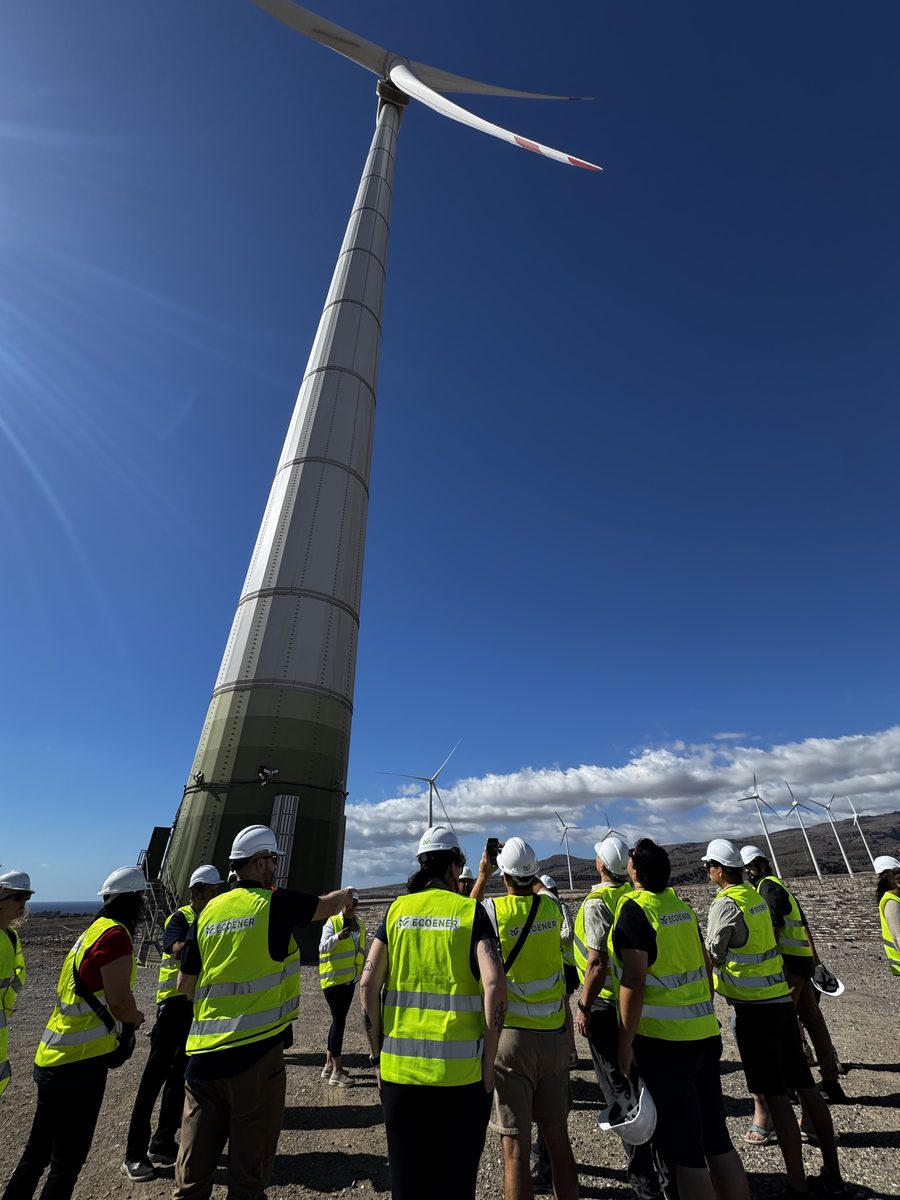
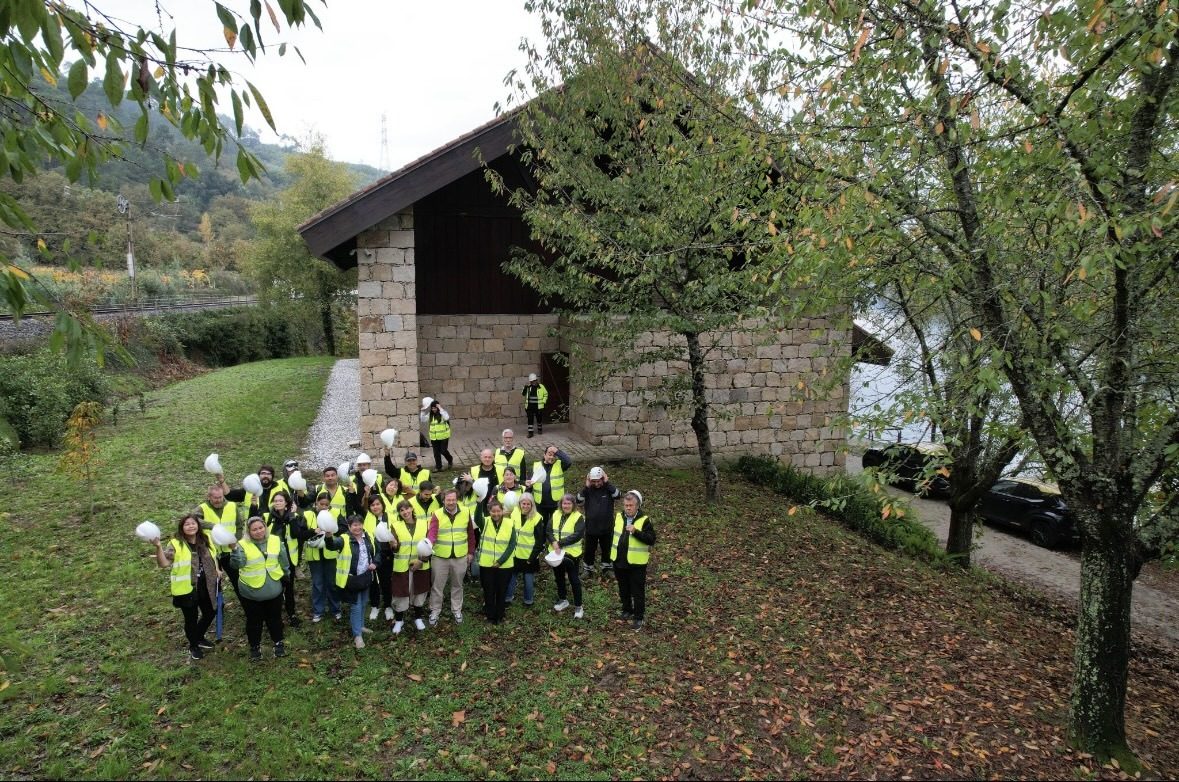
It also means learning and gathering the information we need to make good decisions. Over the past year, our members and representatives have had opportunities to learn from other Nations, participate in regional initiatives and even travel internationally to see renewable energy development firsthand. Exploring these opportunities does not mean decisions have already been made. It means doing our homework, building relationships and ensuring that Ts’il Kaz Koh is in the strongest possible position to make informed decisions about what is right for our Nation.

There is a lot of work ahead of us, and we will not always agree on every issue. What matters is that we continue talking to one another, listening to our Elders and young people, learning from our experiences and making decisions with the long-term interests of Ts’il Kaz Koh in mind.

Chief and Council recognize the responsibility that members have entrusted to us. We also recognize our responsibility to keep you informed about the work being done, the decisions being considered and the opportunities and challenges facing our Nation. This Annual Report, together with the quarterly updates that will follow, is intended to strengthen that connection.

We have an opportunity today that previous generations fought hard to create. Our responsibility is to build on what they gave us and leave an even stronger Nation for those who come after us.

On behalf of the entire Band Council, thank you to our members, Elders, youth, staff and everyone contributing to this work. We look forward to continuing it together.

Chief Wesley Sam
On behalf of Ts’il Kaz Koh Council

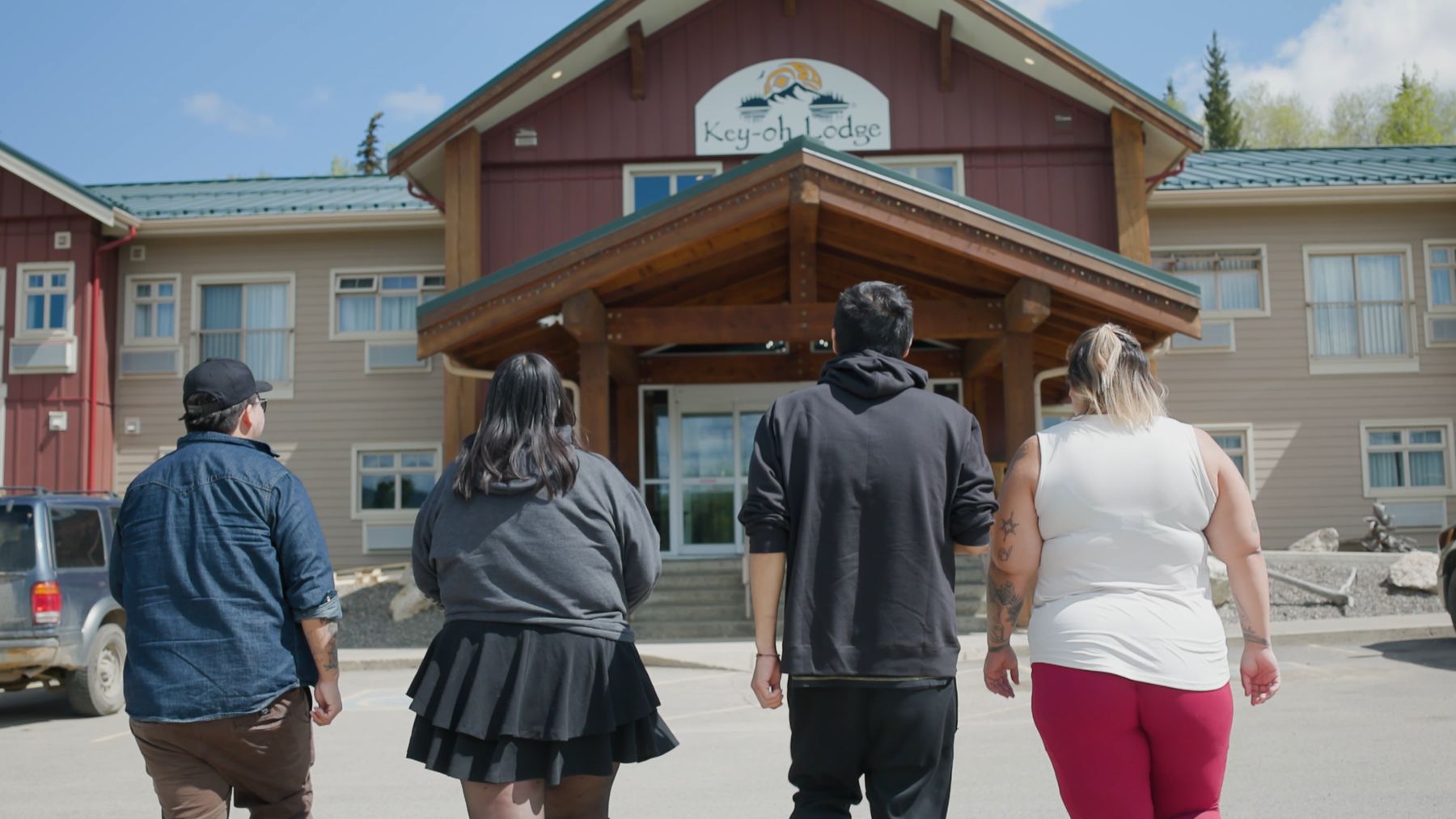
Four people seen from behind, walking across a parking lot to the Key-oh Lodge entrance.

Section 01 of 04 · Our People2026 Fall Report

Wiggus

Our People.

Chapters 1–4 of the Fall Report: strengthening language and culture, building financial and governance capacity, supporting the health and well-being of our members, and caring for our children and families.

$246,000Secured in grant funding for youth engagement, Nation building, community connections and language, chapter 1.

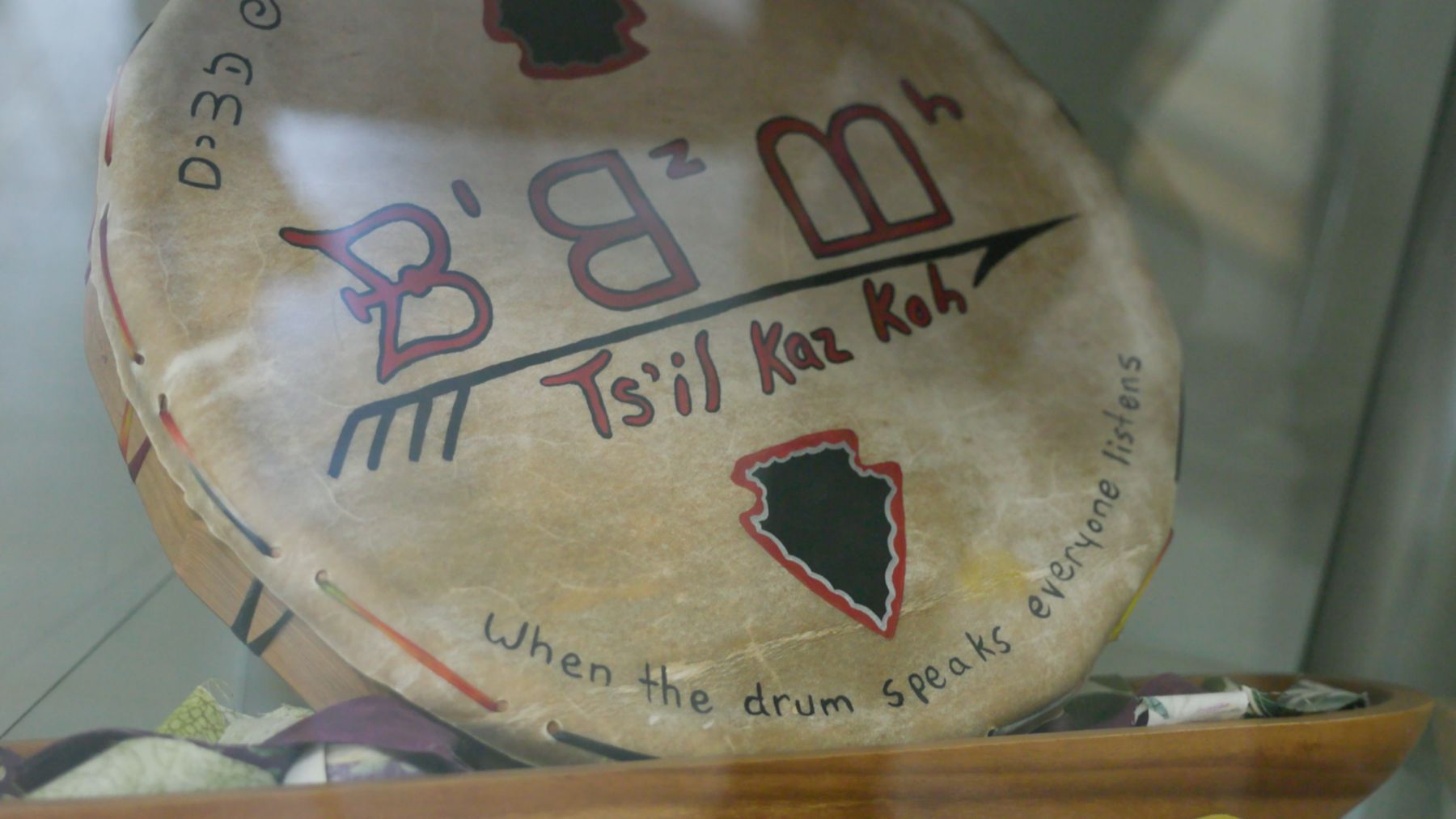
A hand drum on display, painted with syllabics, the words Ts’il Kaz Koh, an arrow, an arrowhead and the words When the drum speaks everyone listens.
  • $228,000Language funding securedSupporting language games, flash cards, recordings, teachings and land-based materials, chapter 1.
  • 4 daysYouth gathering at Cliff LakeSupported through a New Relationship Trust Youth Grant, chapter 1.
  • 6 weeksDiabetes education programA diabetes education and support program introduced this year, chapter 3.

Chapter 1

Keeping our Nation Strong

Community, Youth, Culture and Language

The future of Ts’il Kaz Koh begins with our people.

That is why one of the most important areas of work underway is strengthening the connections between members, creating opportunities for young people and continuing the work required to protect and revitalize our language and culture.

Ts’il Kaz Koh has secured approximately $246,000 in grant funding supporting youth engagement, Nation building, community connections and language revitalization. The funding is supporting both activities members can participate in today and longer-term initiatives intended to build capacity for the future.

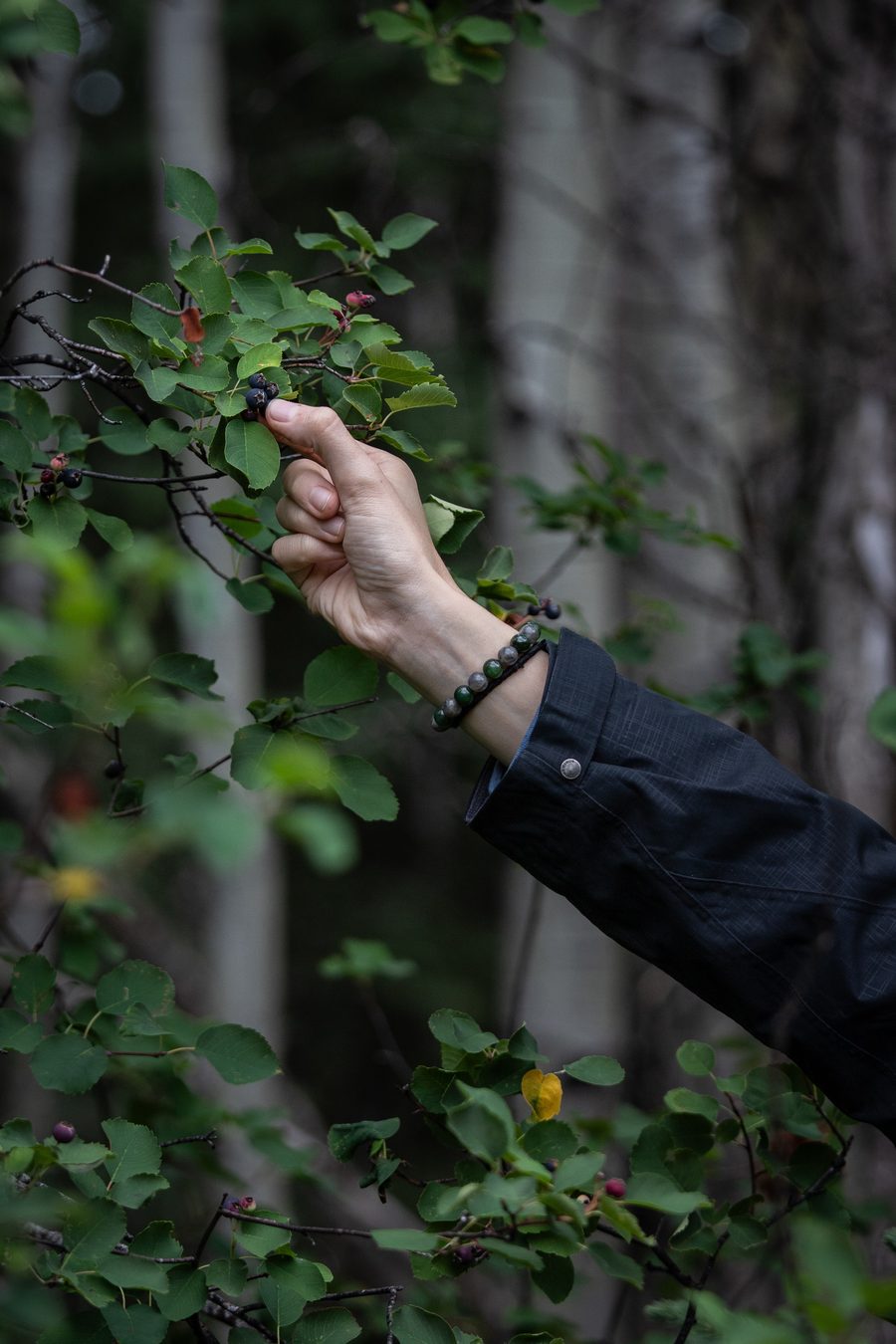
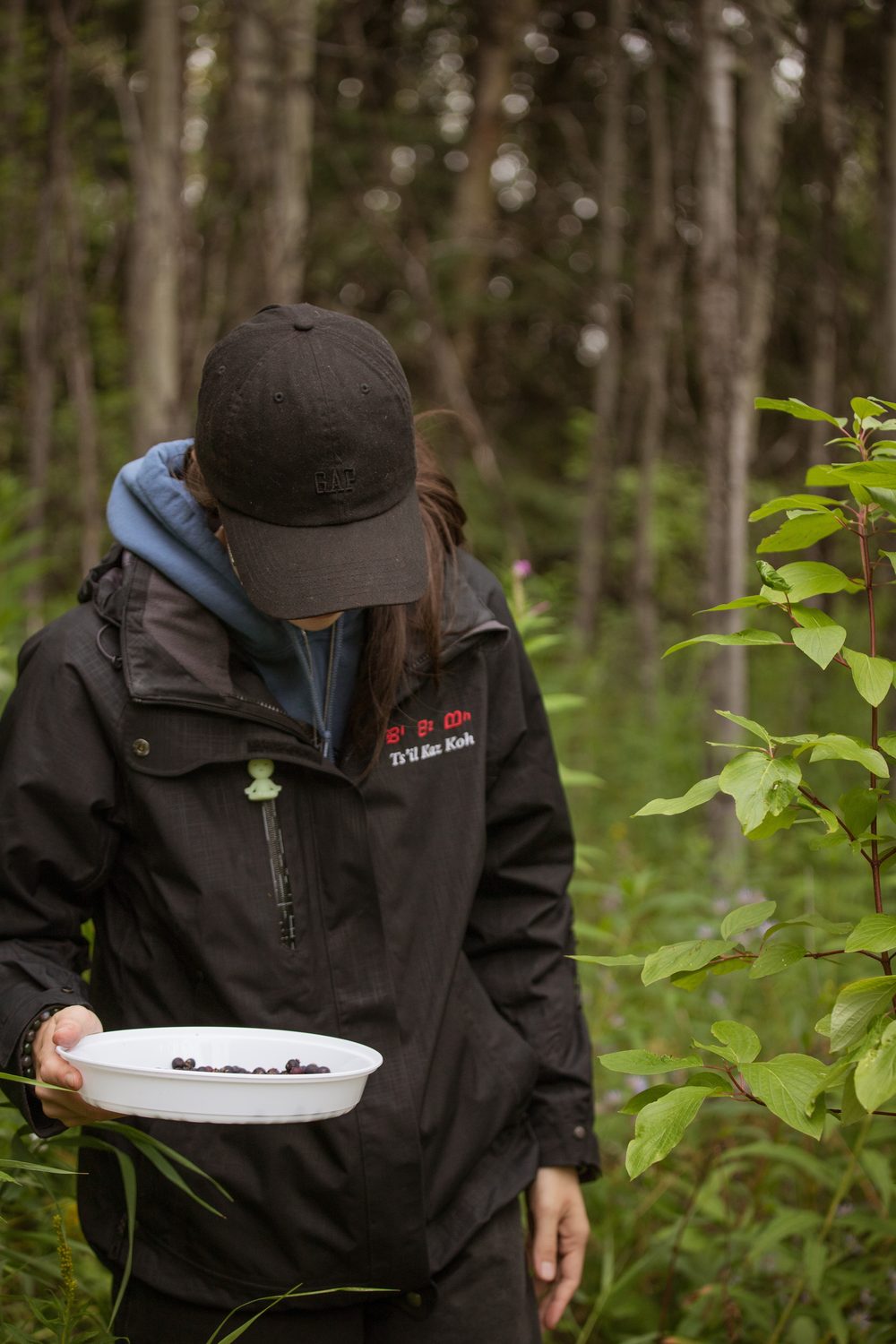
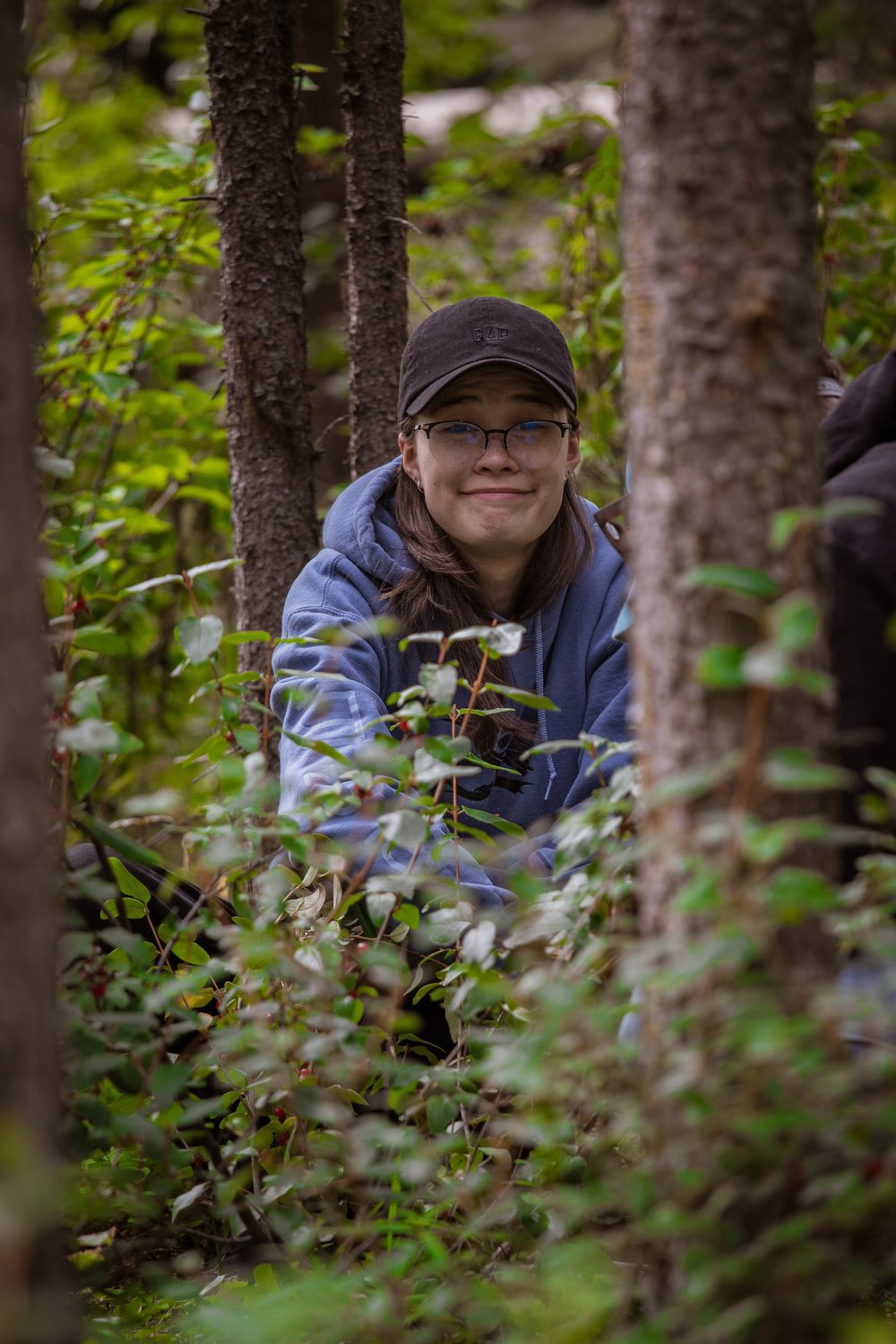
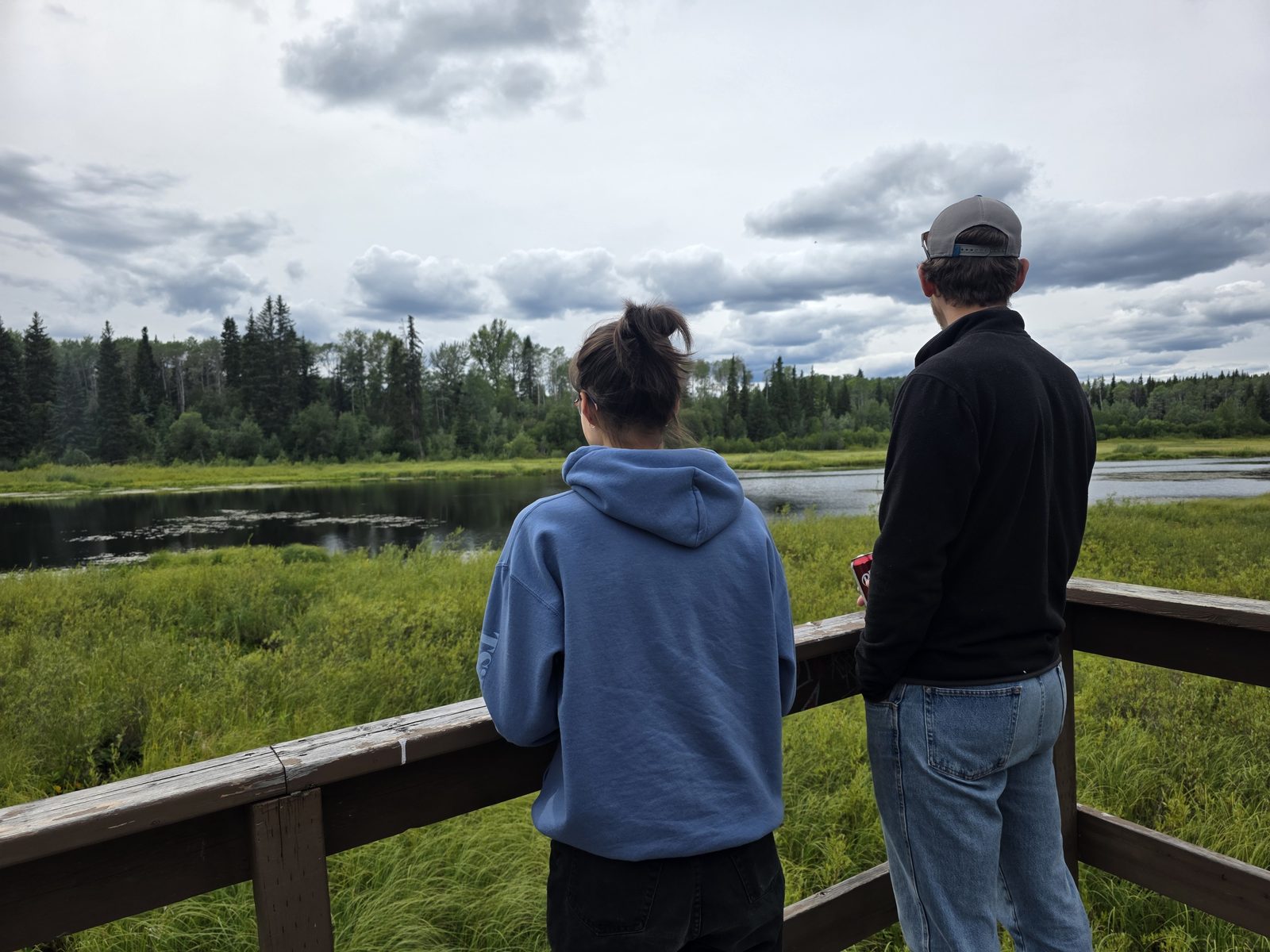
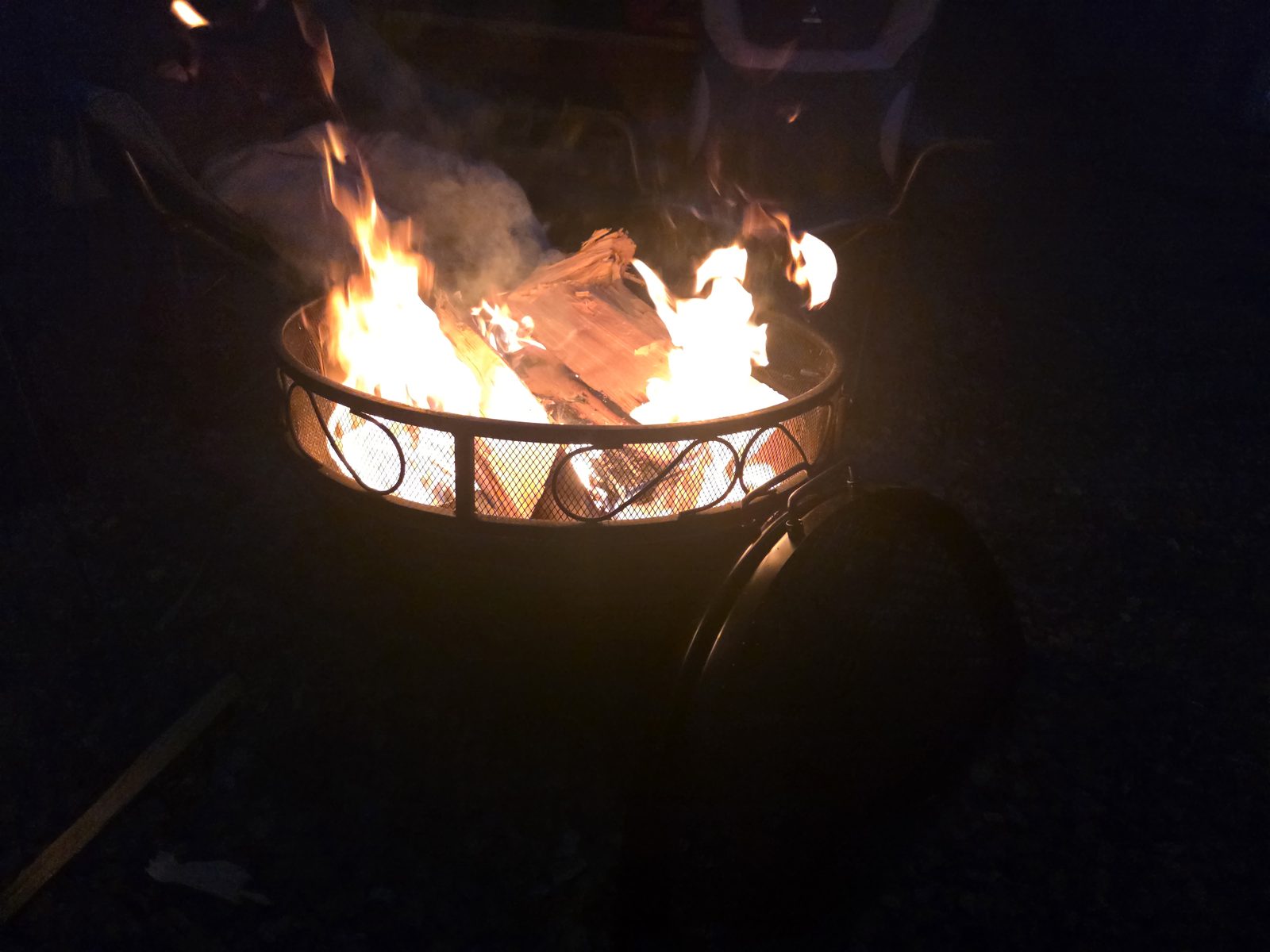
One example was a four-day youth gathering at Cliff Lake supported through a New Relationship Trust Youth Grant. Young members spent time together on the land participating in berry picking, boating, shared meals and other land-based and recreational activities. Importantly, equipment purchased through the grant can continue to support future youth and community programming.

A hand reaching up to pick dark berries from a leafy branch in the forest.
A person in a dark cap and jacket, face lowered, carries a white bowl of berries through a forest.
A person in a cap and glasses crouches among green bushes between two tree trunks.
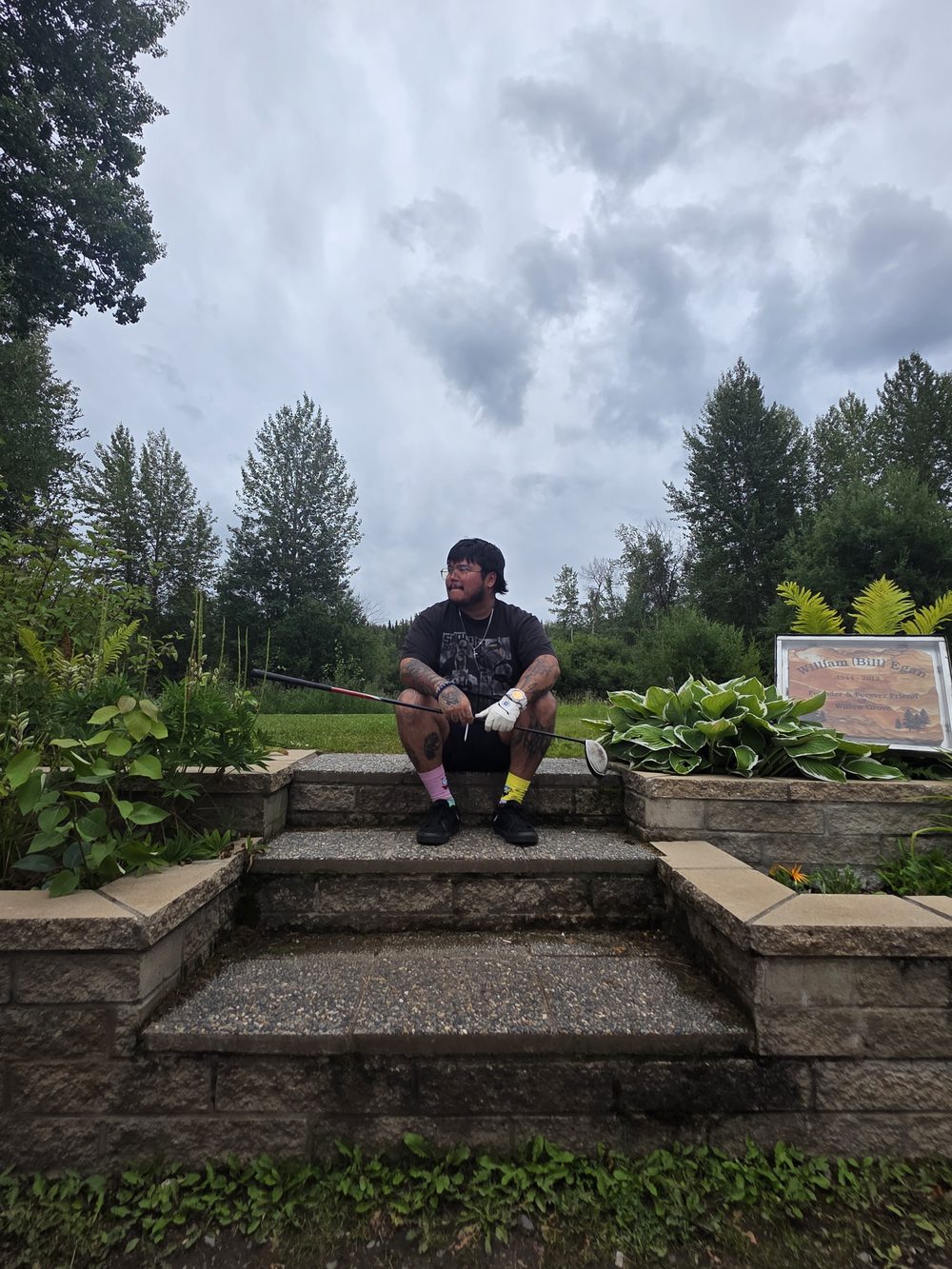
More photos 9Photos from the youth gathering · A day on the golf course
Two people seen from behind lean on a wooden railing looking over a green marsh and pond.
Flames rise in a steel fire bowl in the dark.
A person sits on stone steps in a landscaped garden with ferns and hostas, under a cloudy sky.
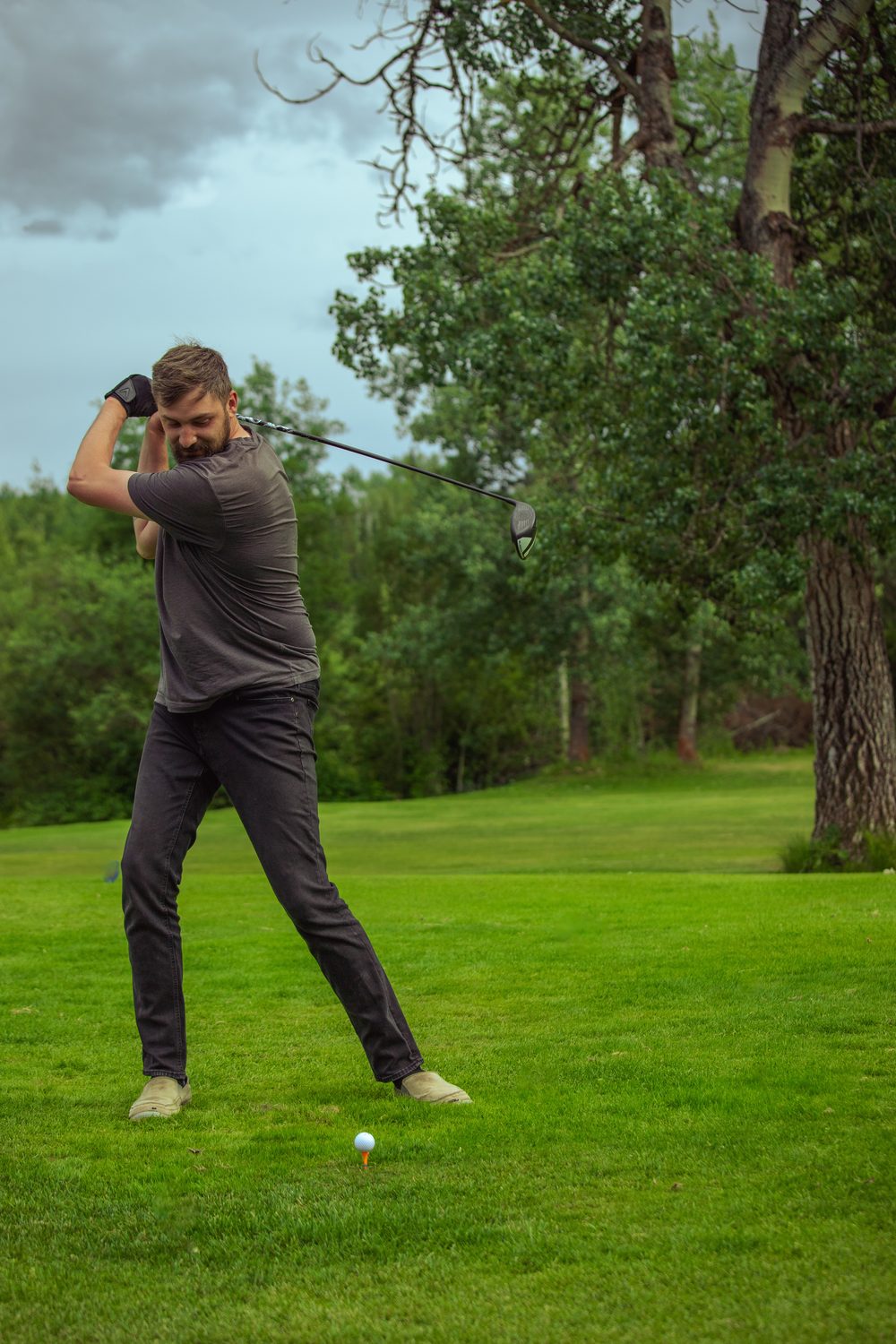
A man in a grey shirt at the top of a golf swing on a green fairway, with trees and a stormy sky behind.
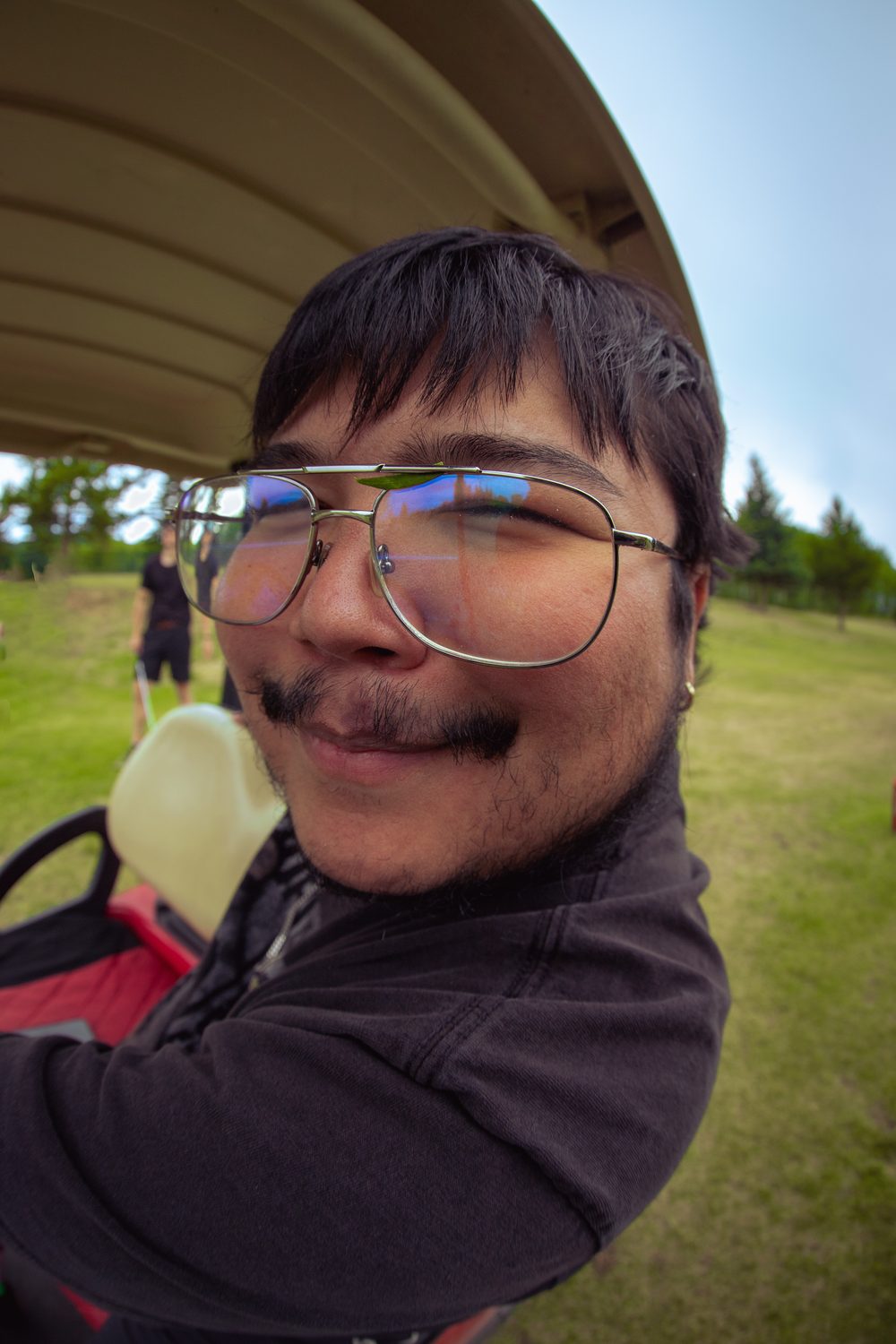
A smiling man with a moustache and aviator glasses leans into a wide-angle selfie from a golf cart on a green course.
A close, wide-angle view of a golf ball in short green grass, with trees and clouds far behind.
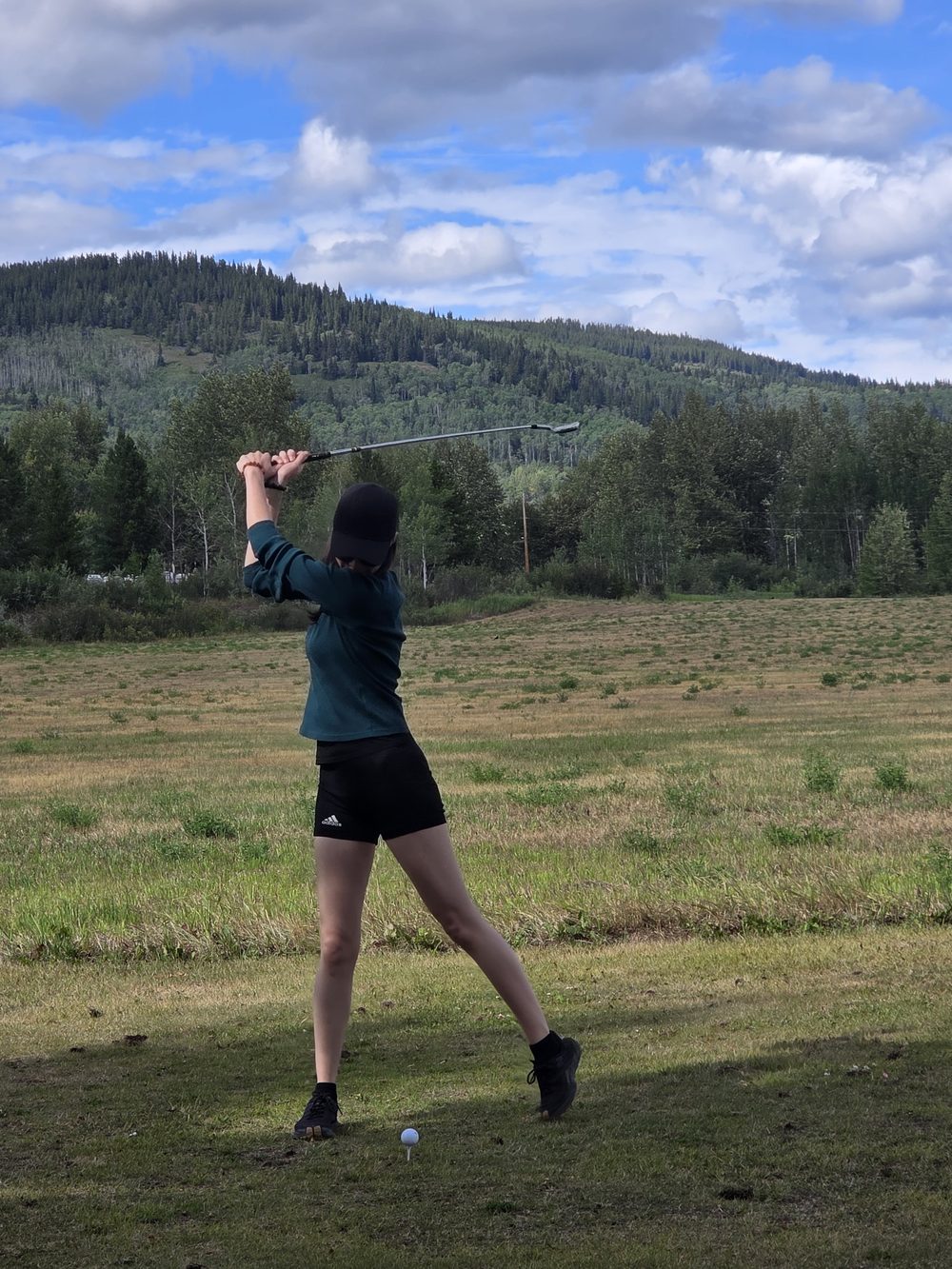
A person in mid golf swing on a grassy field with wooded hills behind.
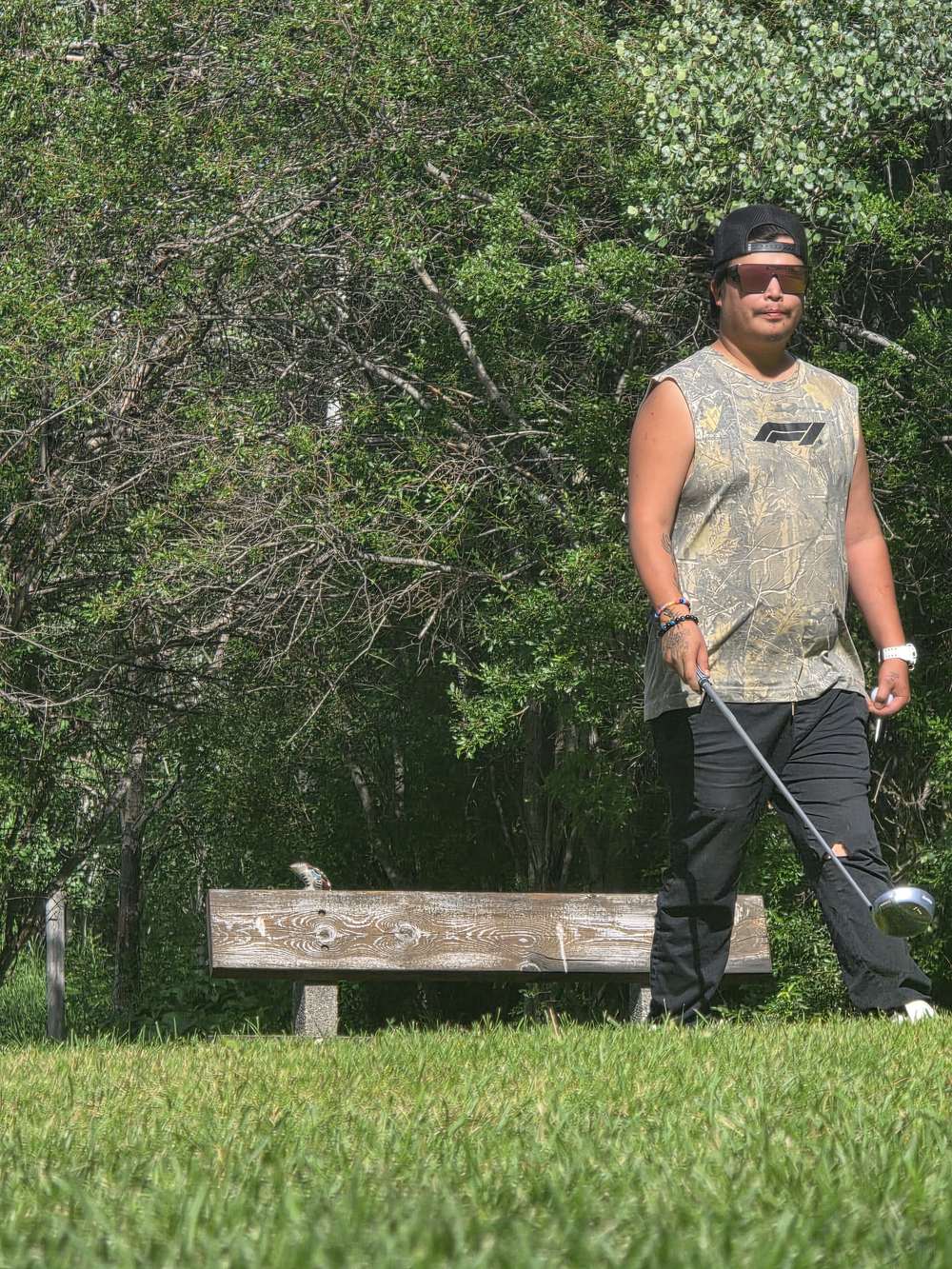
A man in a sleeveless top holds a golf club beside a wooden bench, with trees behind.
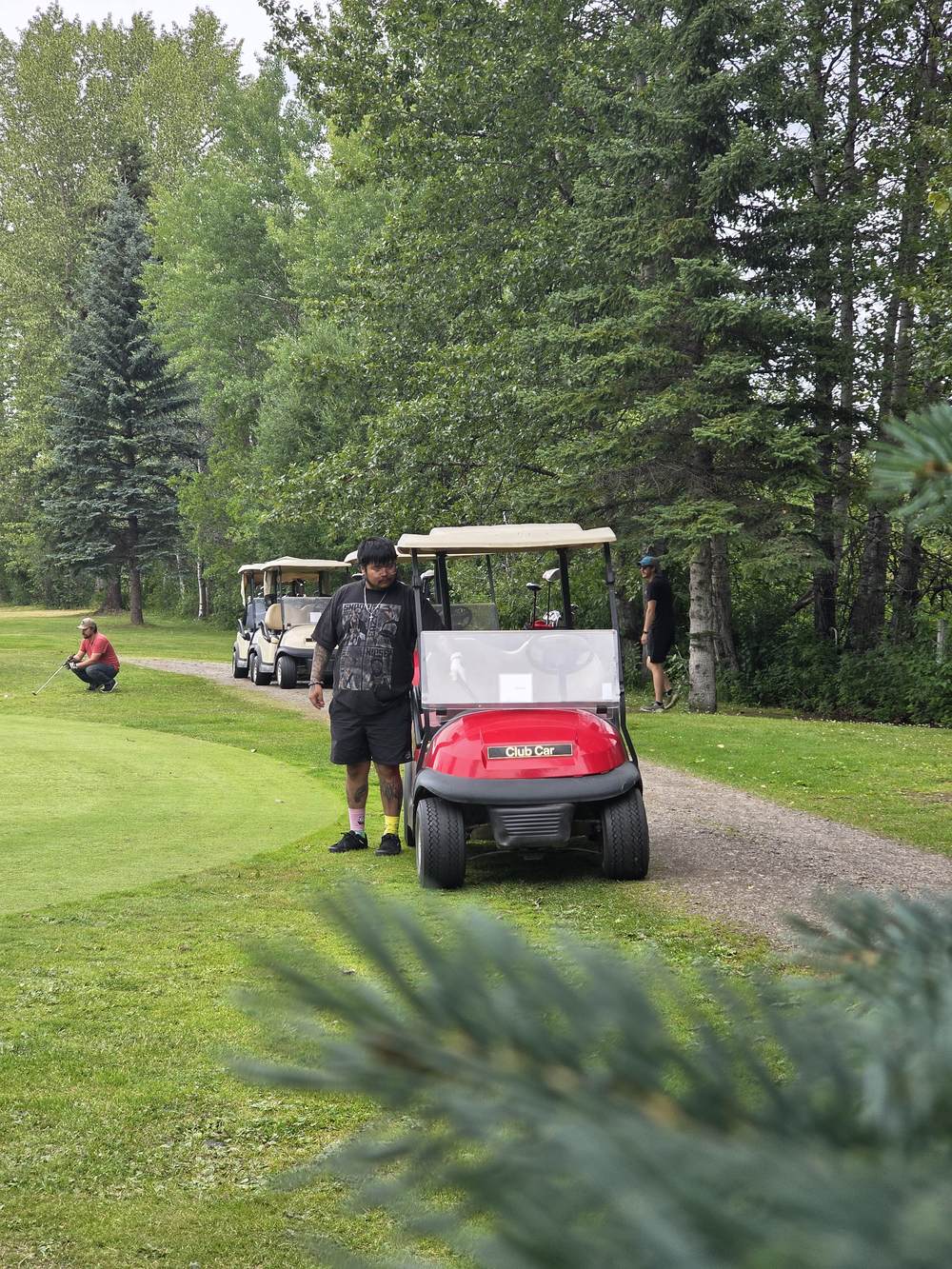
A red golf cart on a gravel path beside a green, with players in the distance and spruce branches in the foreground.

Planning is also underway for Cultural Connections Gatherings, intended to bring Ts’il Kaz Koh members together, including members who live away from the community. The gatherings will provide opportunities for members, leadership and staff to connect, exchange information and strengthen relationships across the Nation, while funding helps reduce travel and other barriers to participation.

Language revitalization represents an especially significant investment.

Approximately $228,000 in language funding is supporting practical resources including language games, flash cards, recordings, teachings and land-based language materials. Work is also underway on a Language Hunting Camp that will bring together language learning, traditional knowledge and activities on the land.

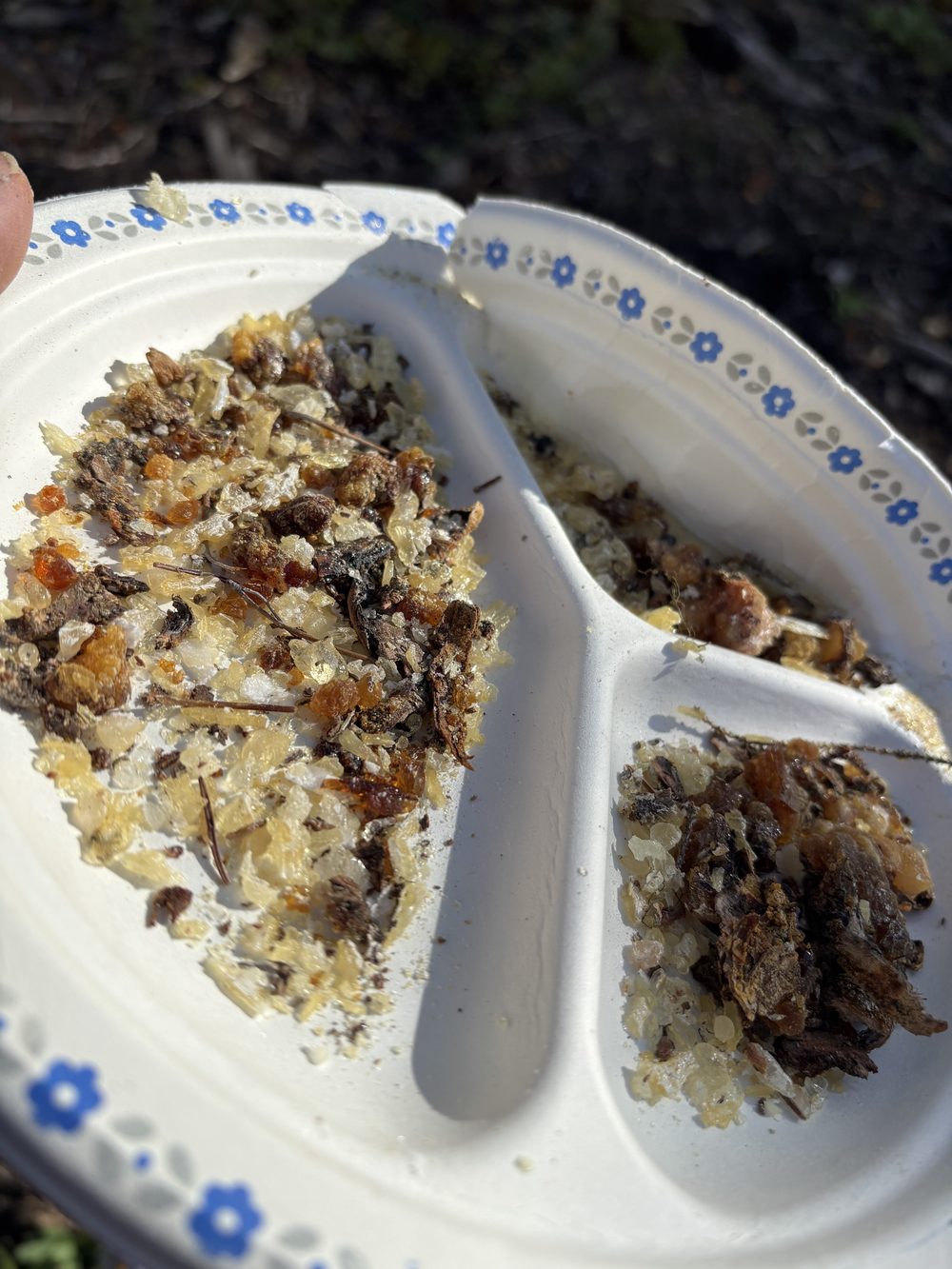
A divided paper plate holding two kinds of prepared food, with a white plastic spoon.
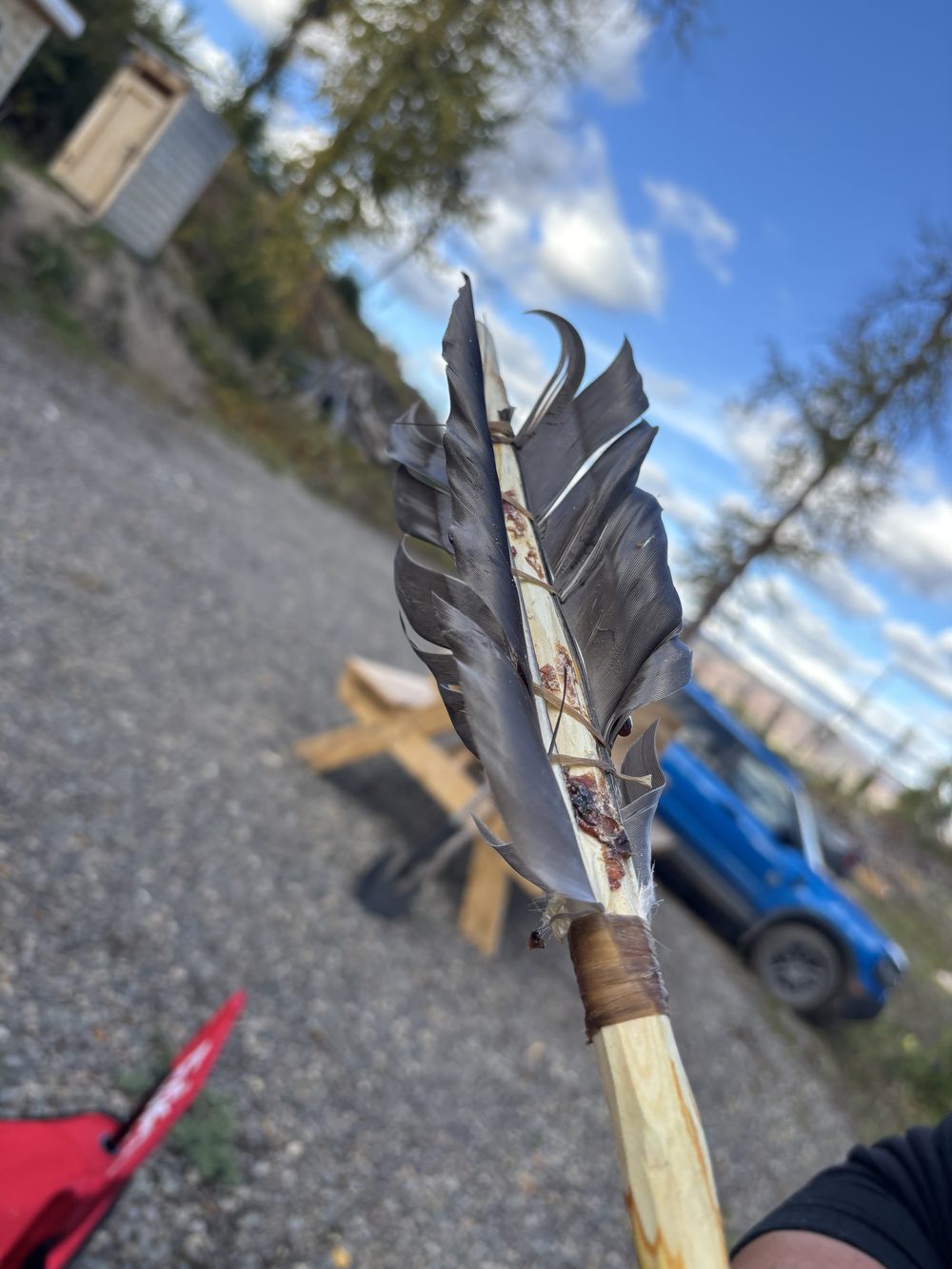
A hand holds up an arrow with feather fletching and a dark pointed head against a blue sky, with a blue truck and a cabin behind on a gravel yard.
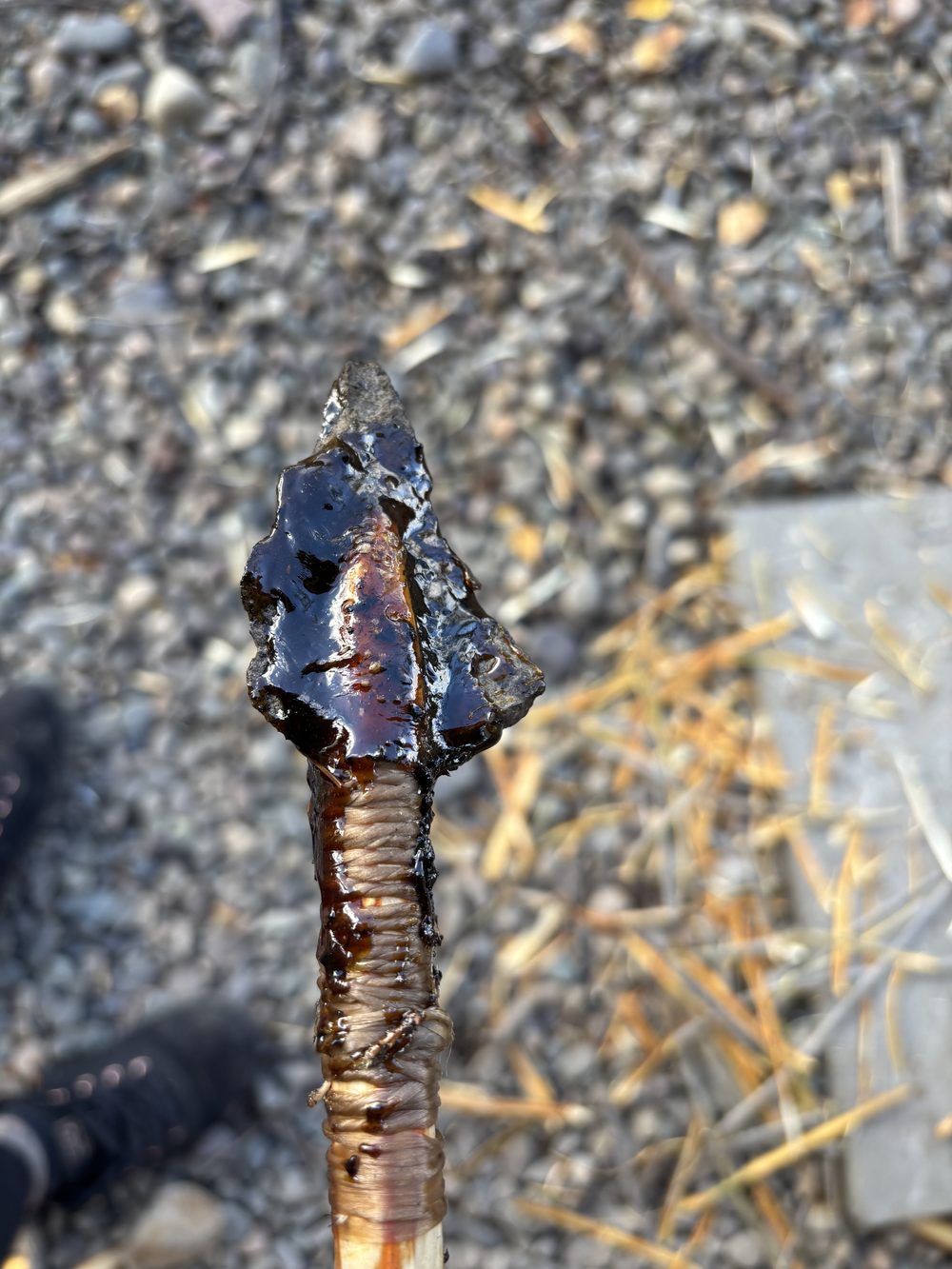
A dark, glossy pointed arrowhead fixed to a wooden shaft with wrapped binding, held over gravel.
More photos 2Photos and a short video from the hunting camp
A hand holds a steel pot with a handful of dark red cranberries in the bottom, with rippling lake water and ferns behind.
Looking down on a steel pot full of bright red cranberries and water, set on a black camp stove stand over gravel.
Four people stand together on a fall forest road beside a pickup truck with a moose lying in its bed, antlers showing.
Three people walk away along a grassy trail toward a misty valley of spruce and yellow birch under a grey sky.
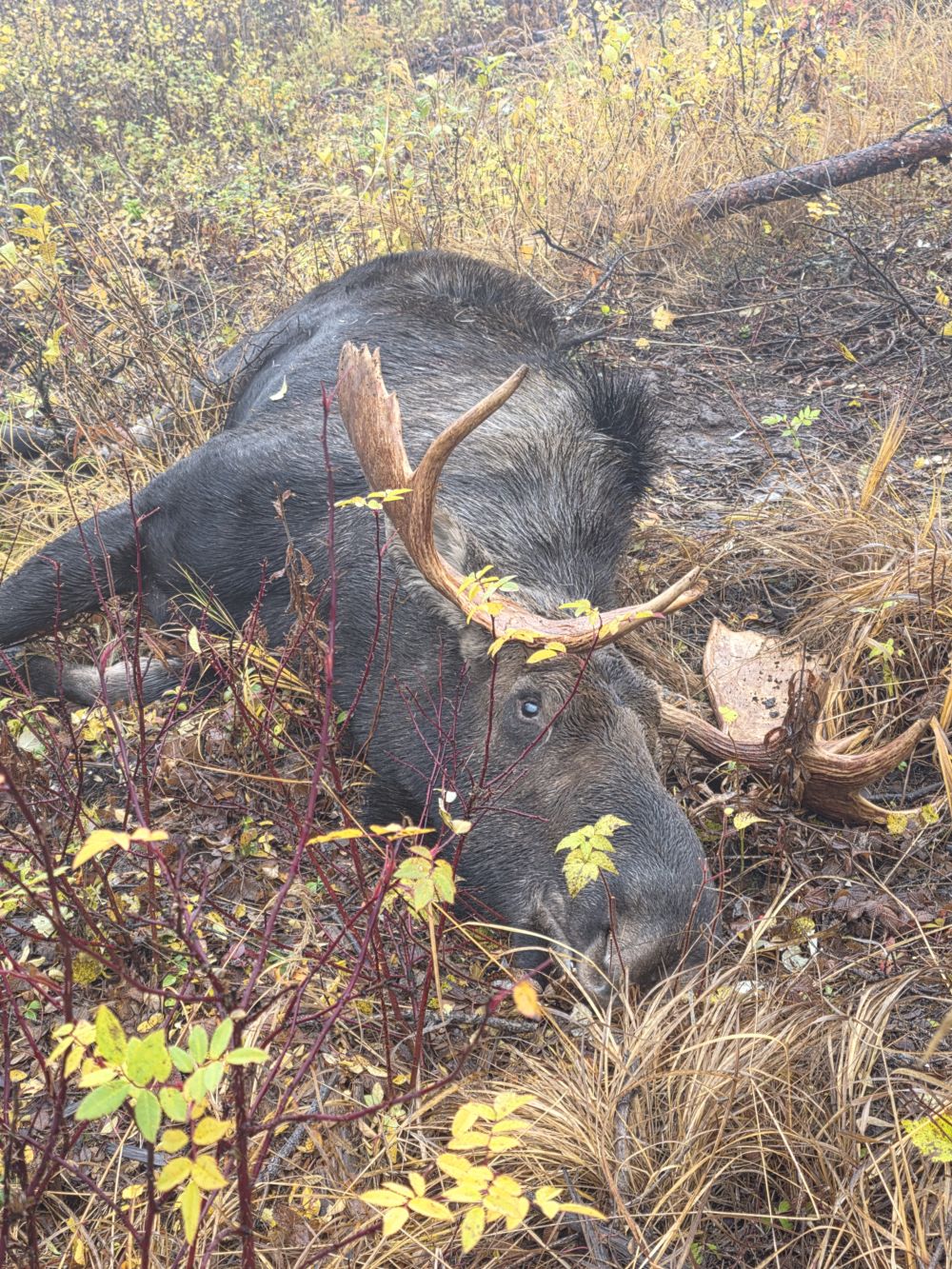
A smiling man in a grey cap and yellow-tinted glasses kneels beside a moose lying in dry grass, his hands on its antlers.
More photos 5Language Hunt Camp, October 2026
Two hoof prints filled with water in dark mud among grass and small red leaves.
Looking down on a moose lying in dry grass, its wide antlers spread out, with people’s legs standing around it.
Three people stand and sit at a picnic table under a wooden shelter, with a lake, yellow birch trees and a log cabin behind.
A moose lies in yellow and red brush, one antler showing, in close view.
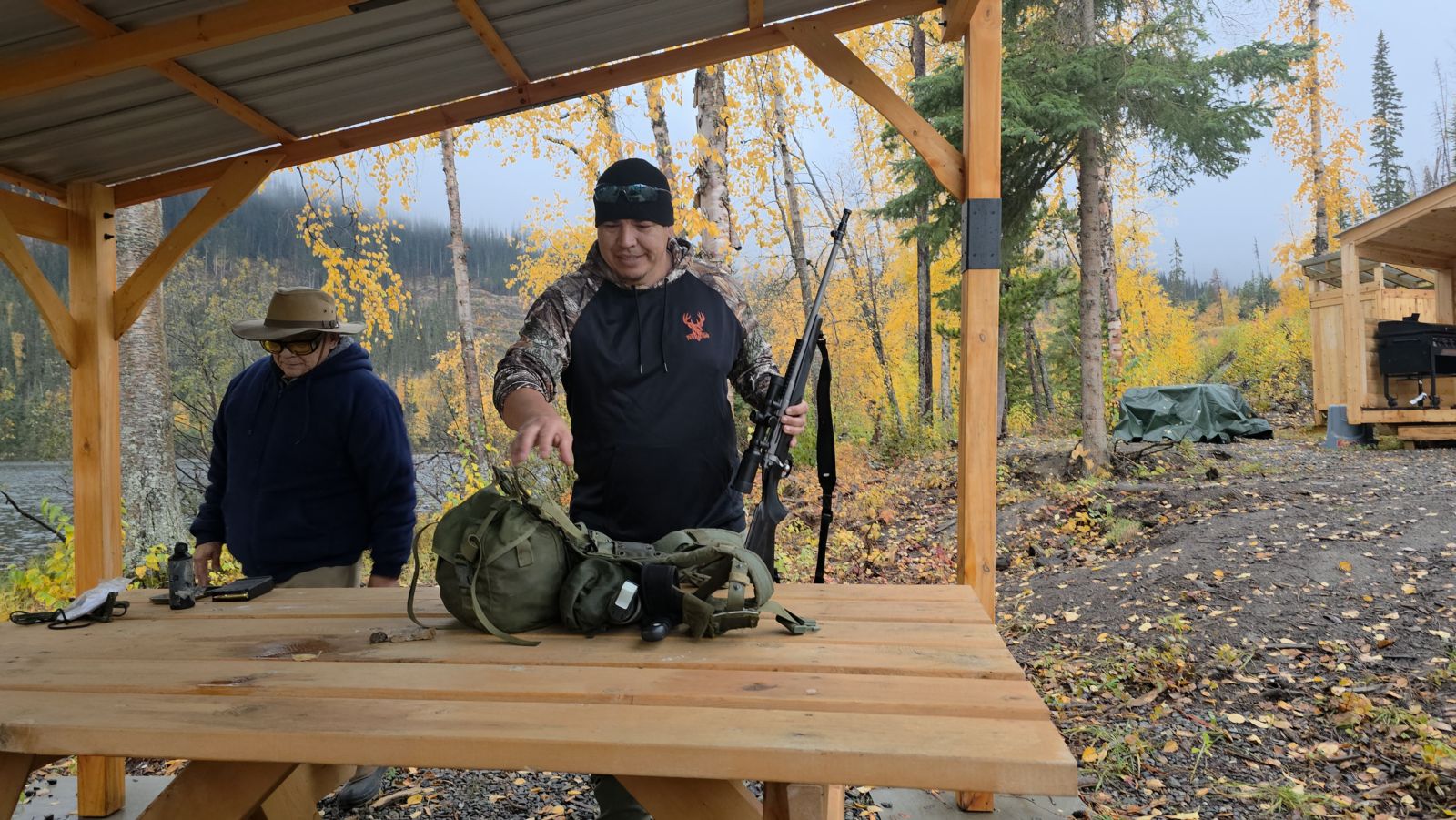
Two people stand at a picnic table under a wooden shelter with a green pack and a rifle, beside a lake with a cabin behind.
Full film
Wide cut
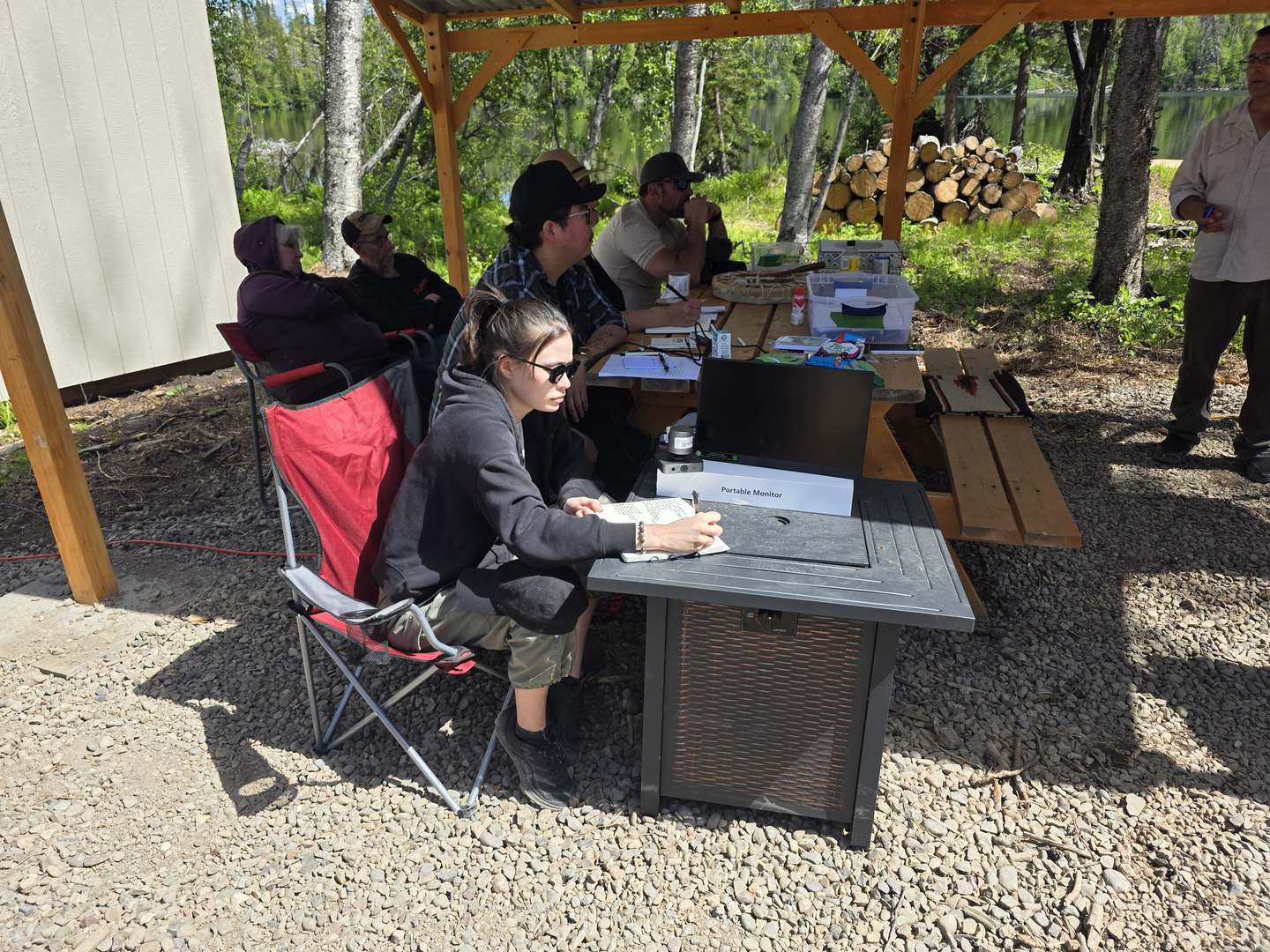
Students sit at tables with papers and laptops under a wooden shelter beside the lake while a man stands at the side.
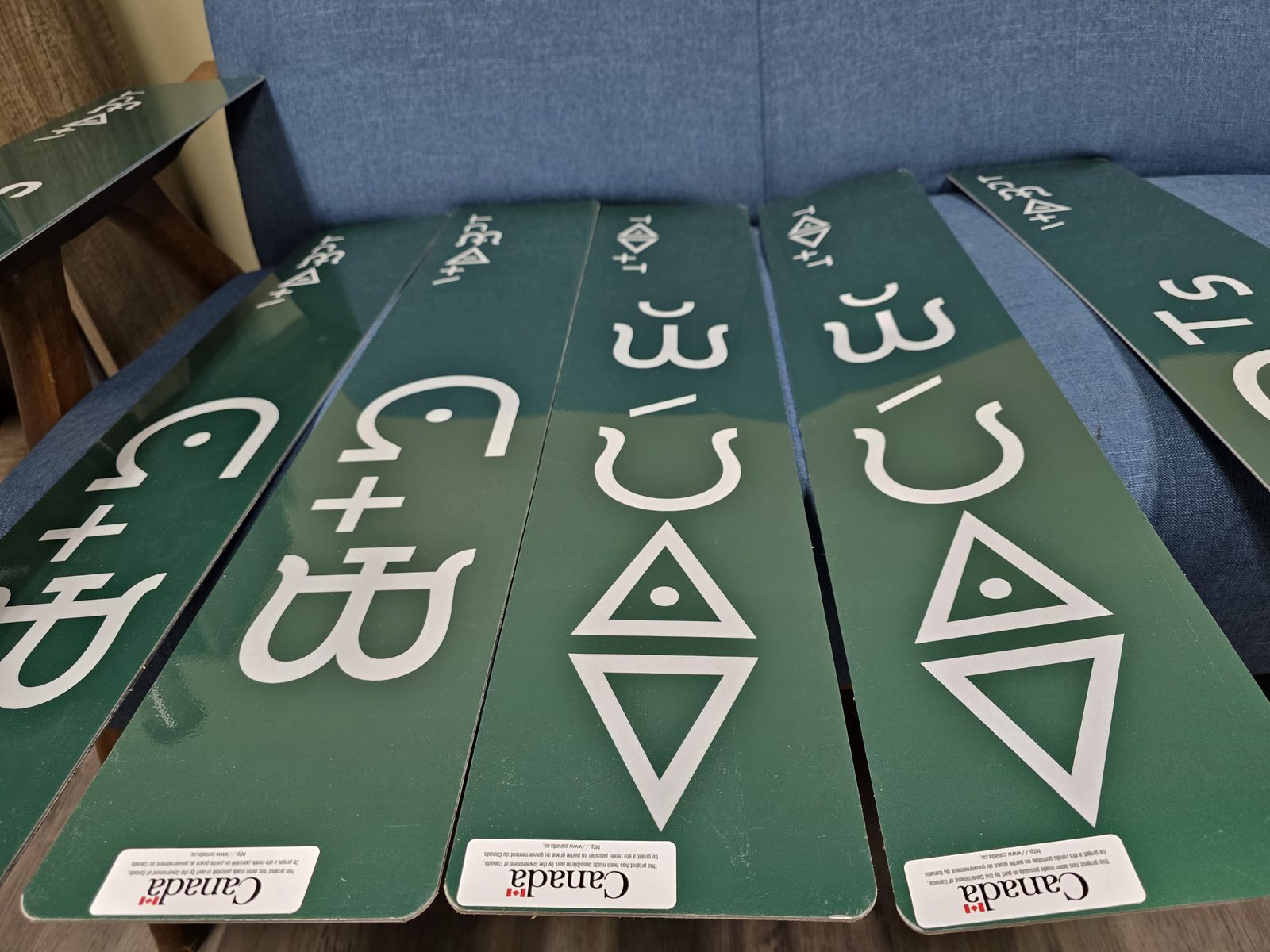
Green sign blades lying side by side on a couch, each lettered in white syllabics with a triangle symbol and a Canada tag at the bottom.
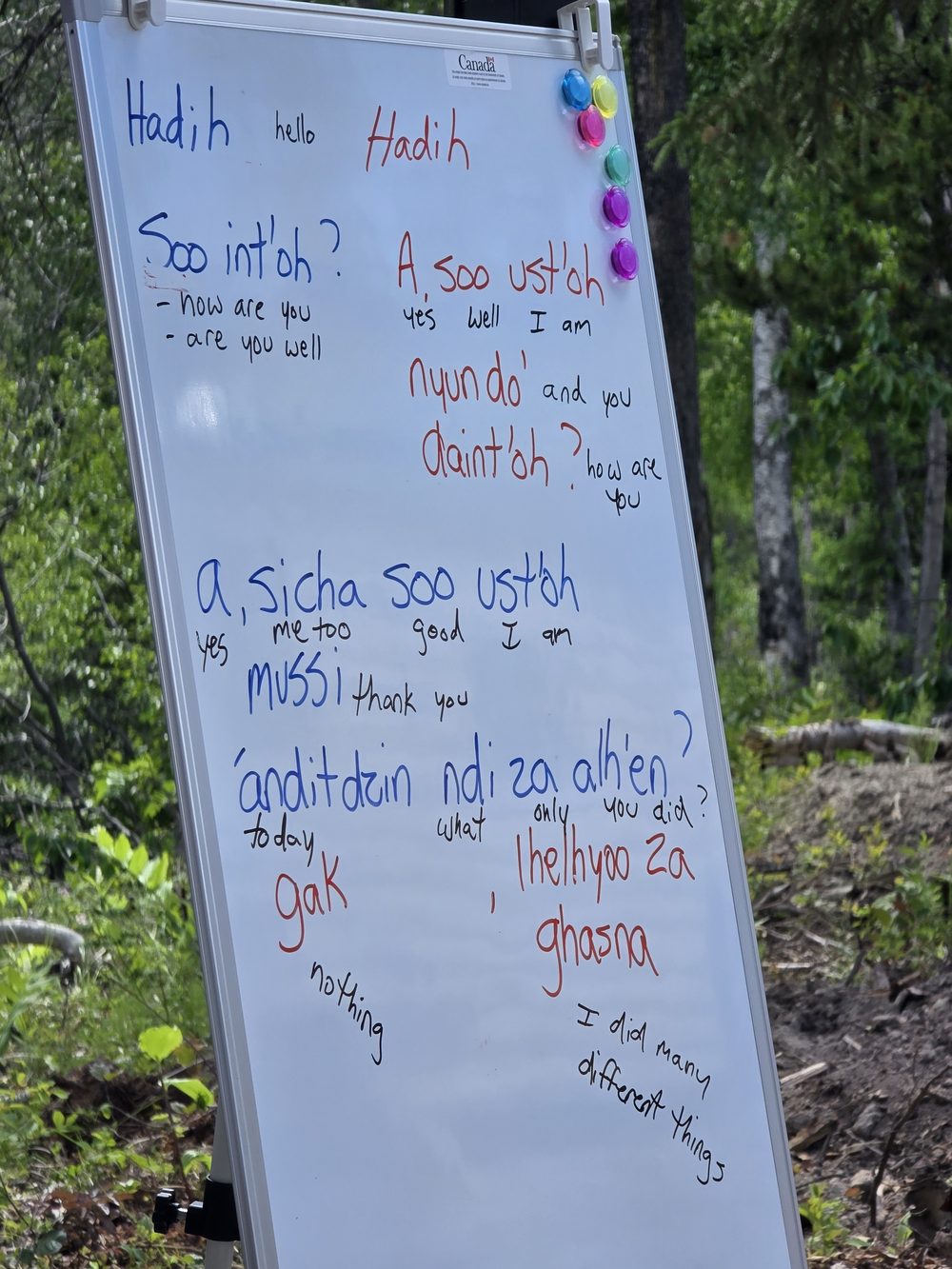
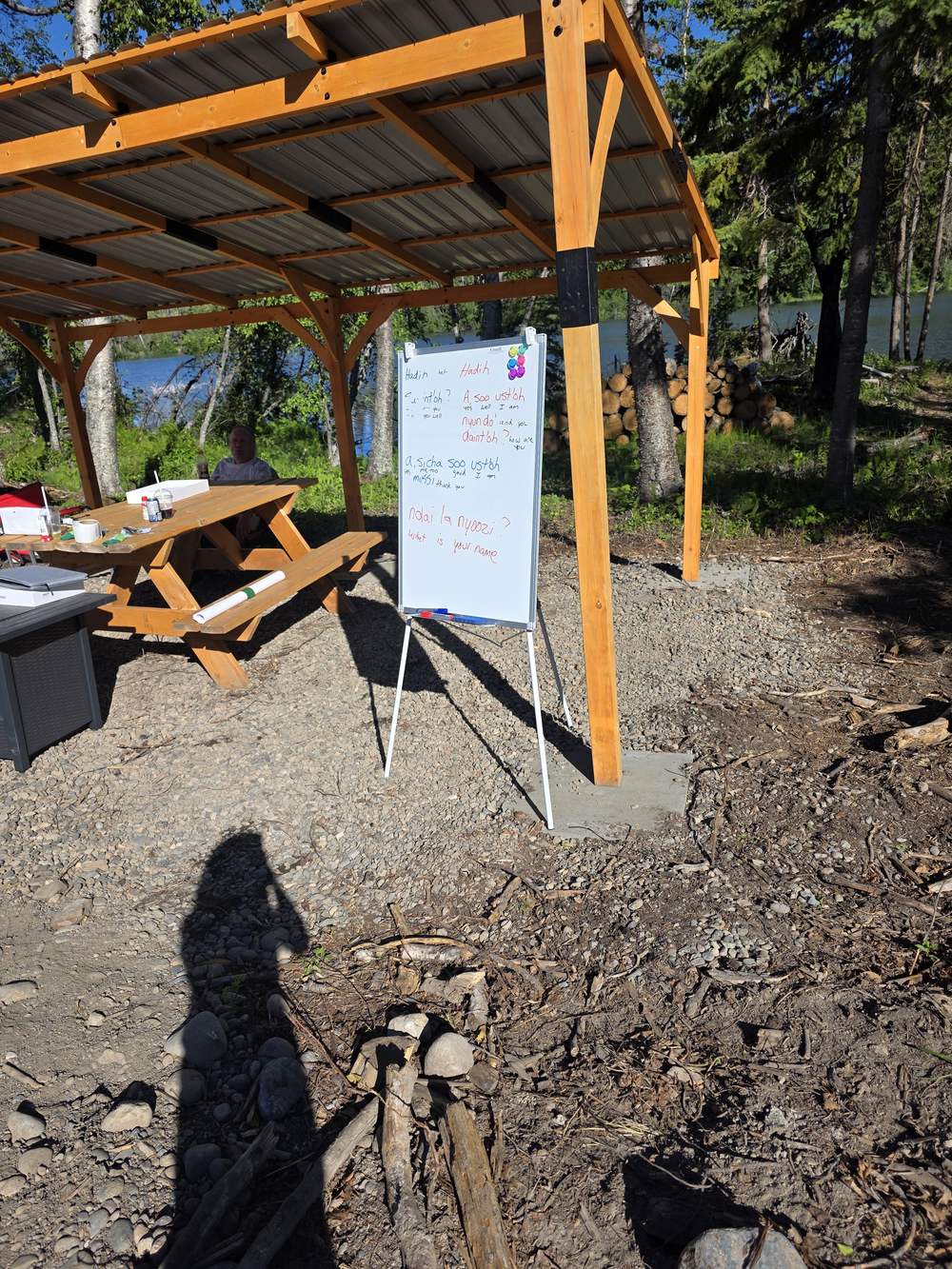
A whiteboard on an easel in the forest covered in handwritten greetings and their meanings in blue and red marker.
More photos 6Language Camp, June 2026
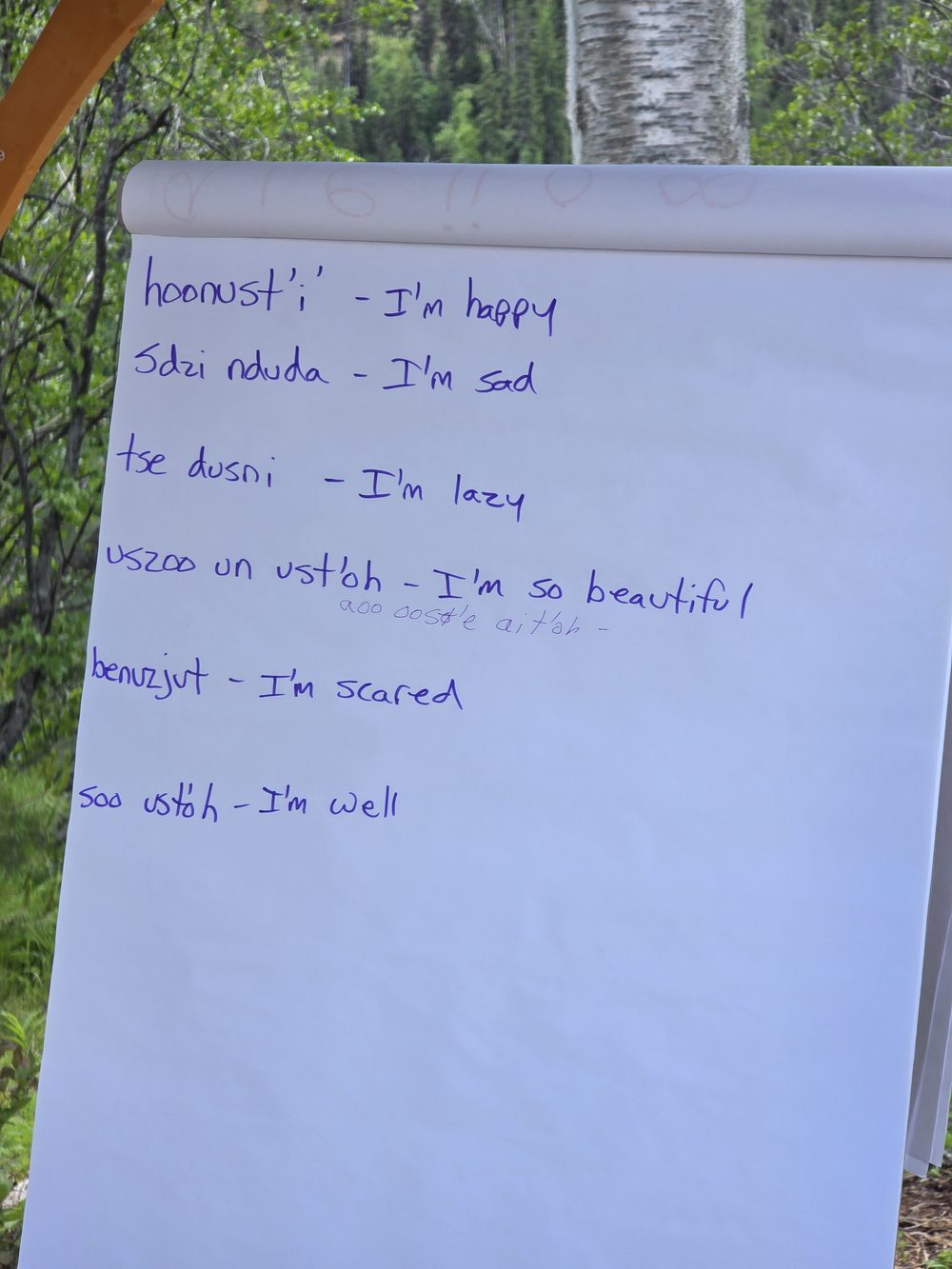
A flip chart with handwritten phrases and their English meanings, such as I am happy and I am sad, with birch trees behind.
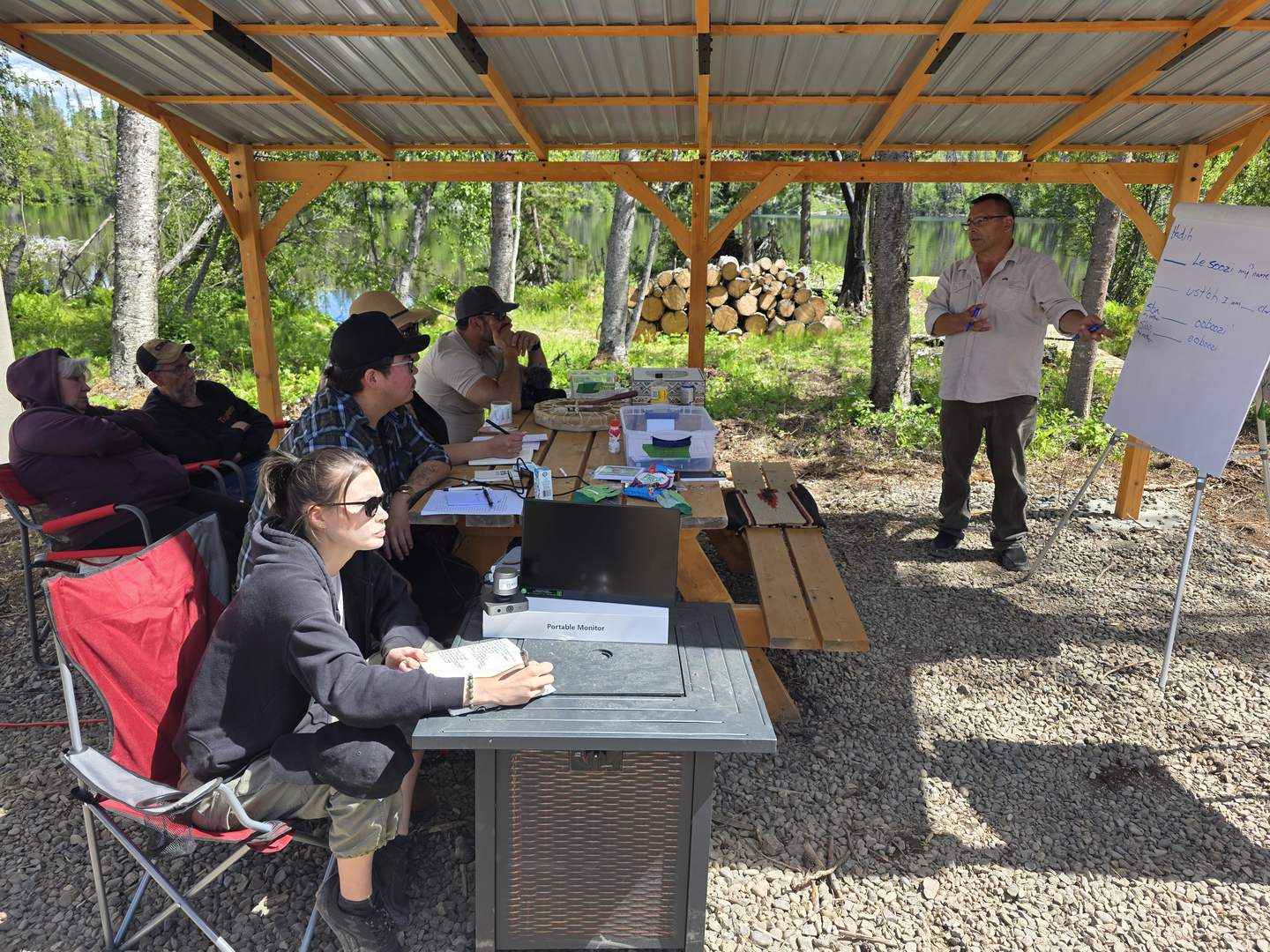
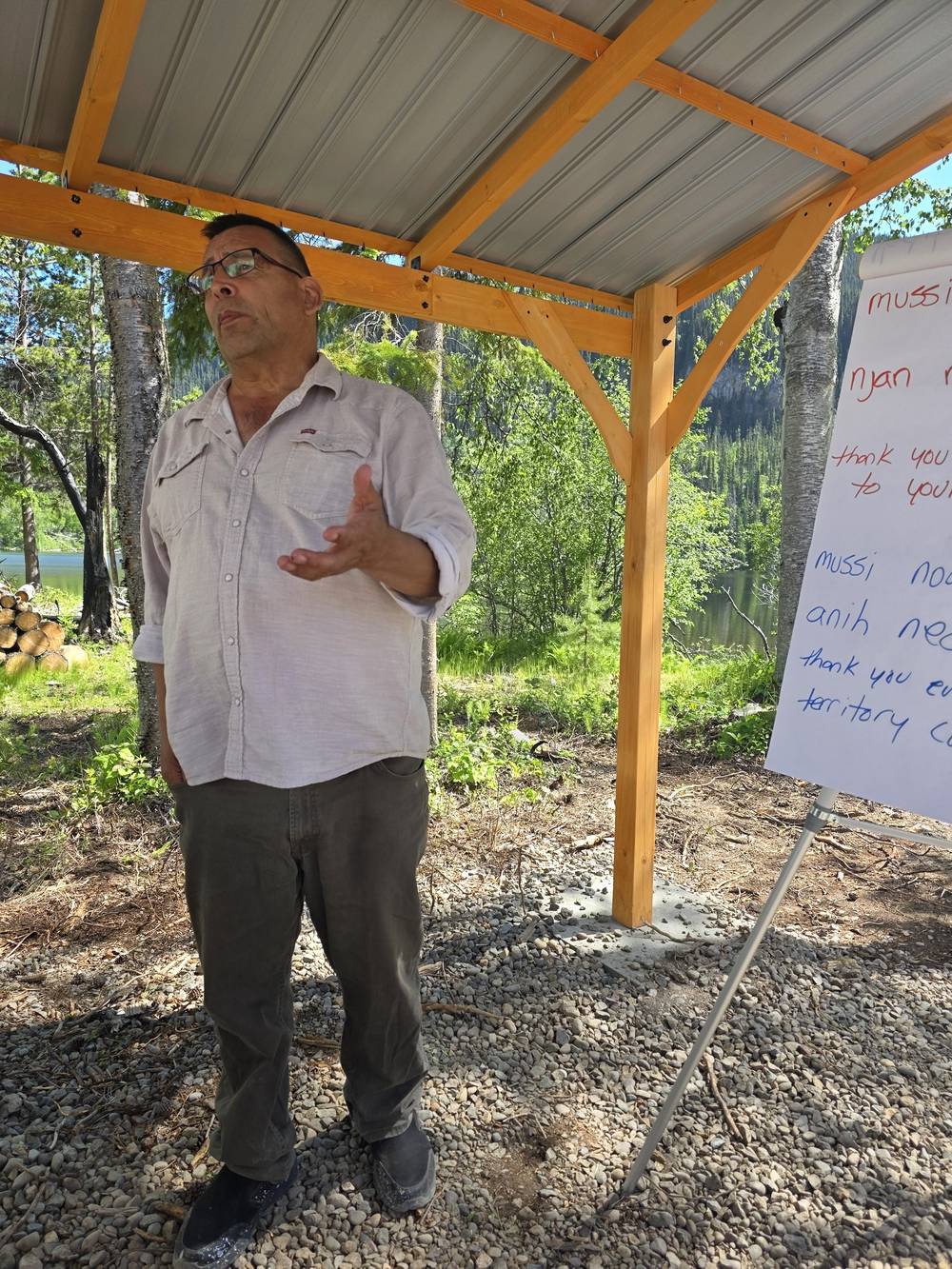
A man stands and speaks to a group seated at tables under the shelter, with a flip chart beside him and the lake behind.
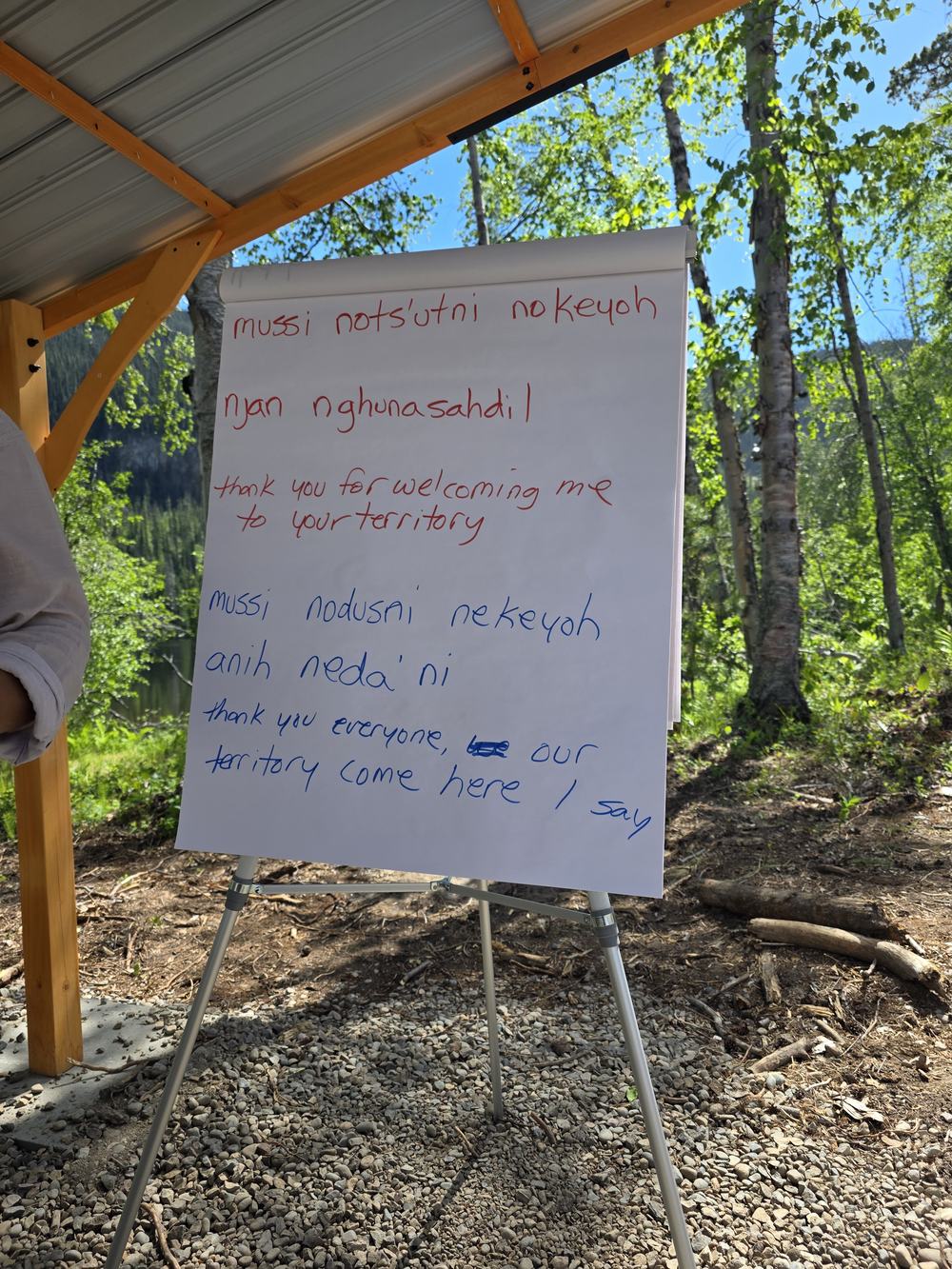
A flip chart on an easel under the shelter with handwritten thank-you phrases in red and blue.
A whiteboard with handwritten words stands on an easel in a clearing, with a cabin behind it.
A man in a light shirt speaks with a hand raised beneath the wooden shelter, with a flip chart at his side.
A flip chart beside picnic tables under a wooden shelter, with a long shadow across the gravel.
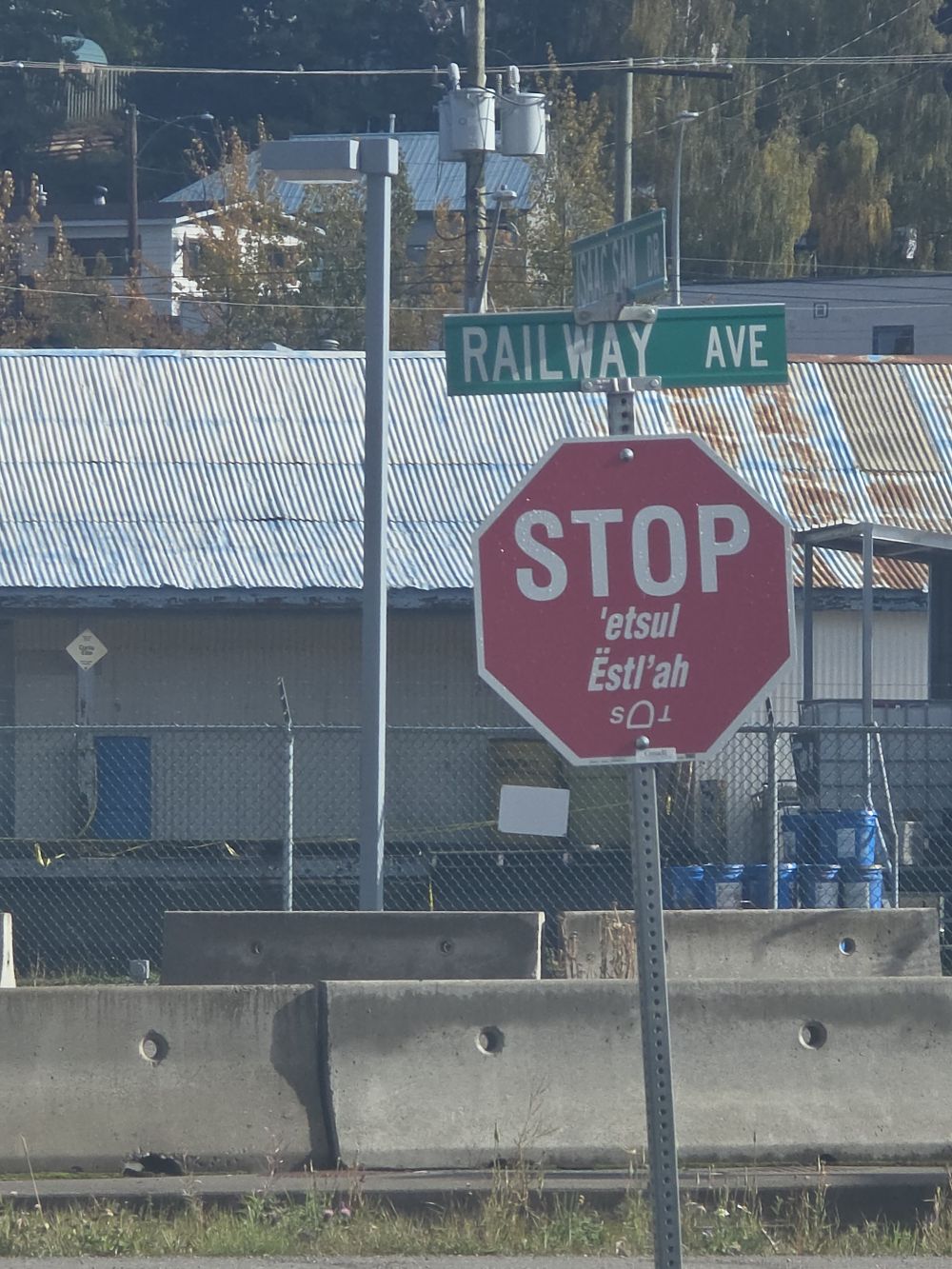
A red stop sign on a metal post below a green Railway Ave street sign. Two lines of the Nation’s language are lettered beneath the word STOP.

The work is also looking beyond today's programming toward succession. Funding will support learning from another First Nation's experience with language revitalization and developing future teachers, facilitators and program leaders by connecting learners with speakers, Elders and Knowledge Keepers.

How this builds Our Nation. Our Future.

Nation building starts here.

A Nation's strength cannot be measured only by its revenues, businesses or economic partnerships. It is also measured by the strength of its people, its language, its culture, its relationships and the connection younger generations have to their community and territory.

These investments are therefore investments in the future capacity of Ts’il Kaz Koh itself.

A stronger future begins with strong people, strong relationships, language, culture and connection to the land.

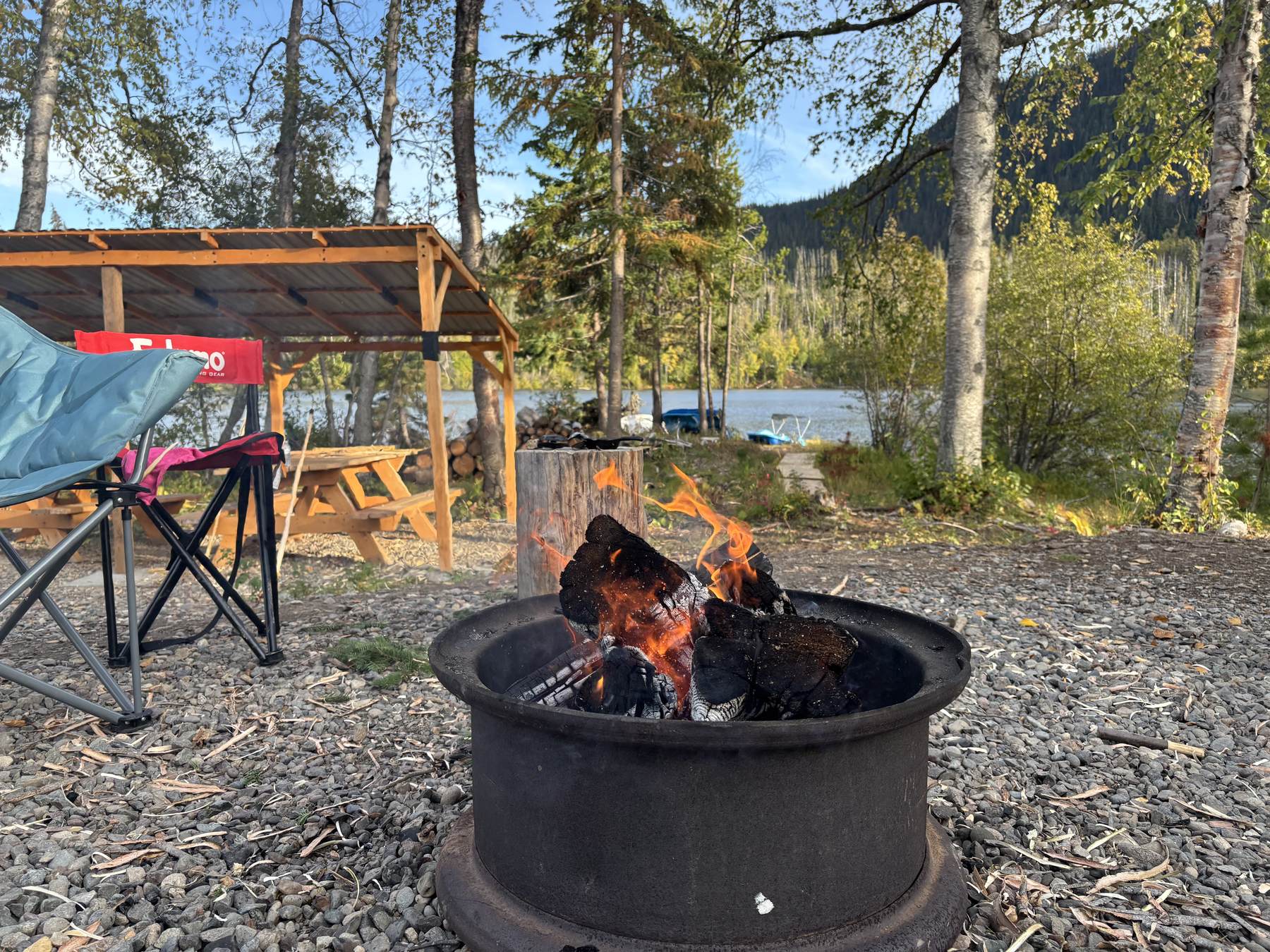
A campfire burning in a steel fire pit on gravel, with a camp chair and a covered picnic table beside it, and a lake behind the birch and spruce trees.

Chapter 2

Governing For the Future

Capacity, Accountability and Administration

Building a strong Nation requires more than identifying opportunities.

It also requires the governance, financial systems and administrative capacity to manage those opportunities responsibly and ensure the benefits can continue for generations.

That is why strengthening the way Ts’il Kaz Koh manages its finances and administration is an important part of the work underway today.

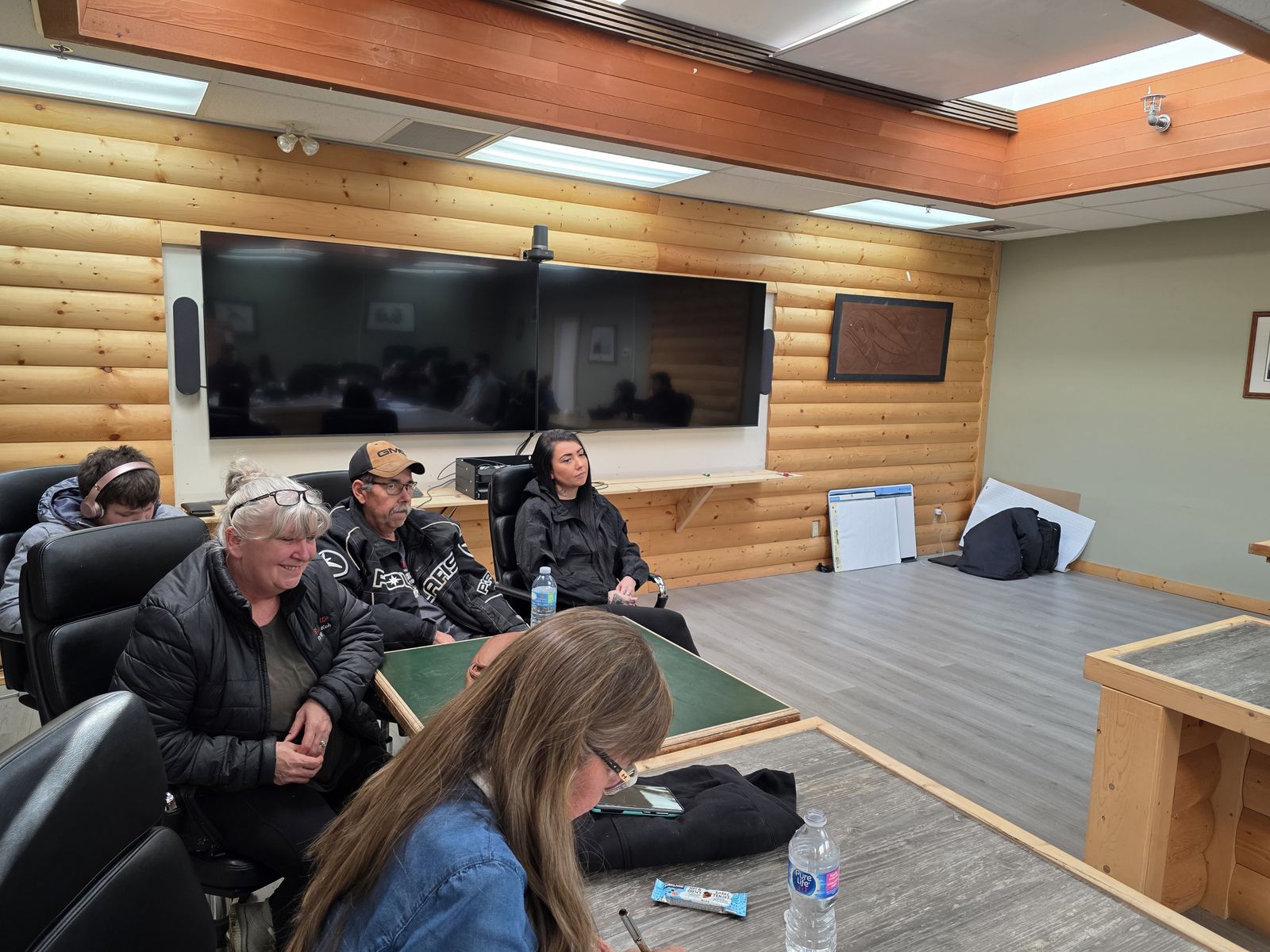
Several people seated around a U-shaped table facing a wall screen in a log-walled room.
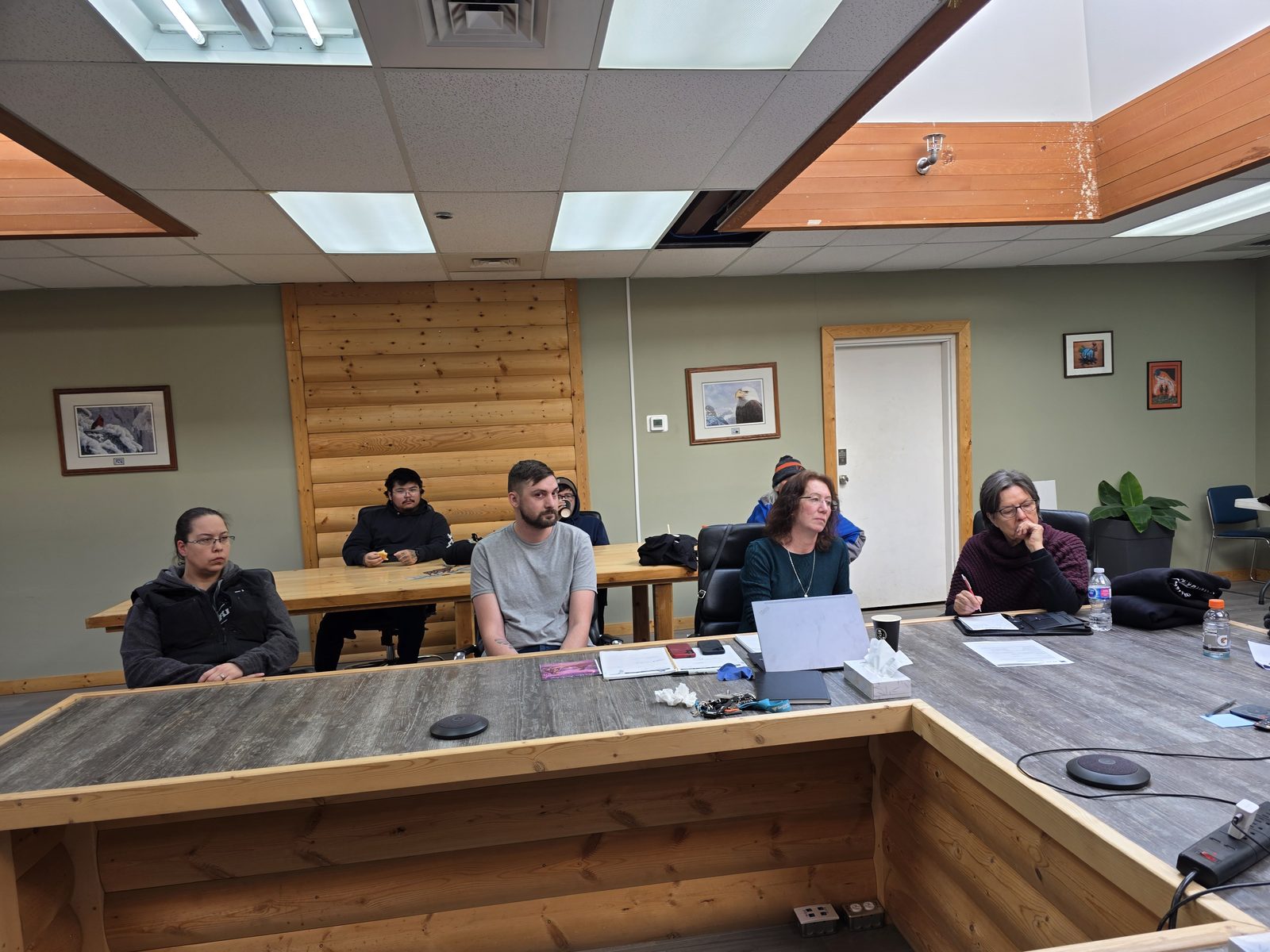
Five people sit along a long wooden meeting table in a log-walled room with orange beams.
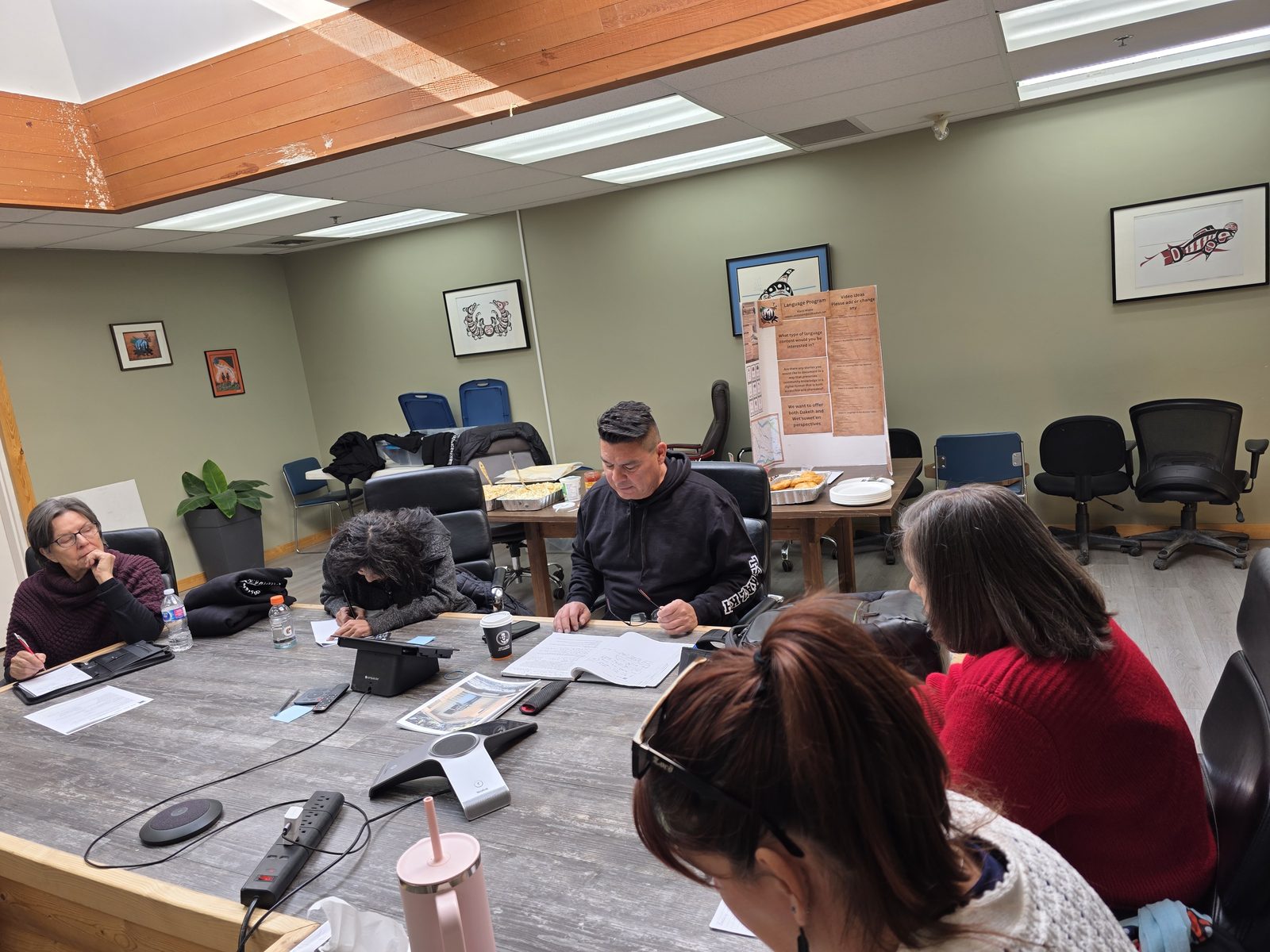
People around the boardroom table with papers and a speakerphone, and a flip chart behind them.

The First Nations Financial Management Board works with First Nations across Canada to strengthen governance and financial management. Its standards are based on recognized financial and governance practices and adapted specifically to the realities and needs of First Nations.

An important part of that framework is a Financial Administration Law, or FAL.

A Financial Administration Law establishes clear practices for how a Nation manages its finances and makes important administrative decisions. It can address areas including planning and budgeting, revenues and expenses, borrowing, risk management, financial reporting, capital projects and conflicts of interest.

The objective is not simply to create another set of rules.

It is to build consistency, accountability and continuity into the way the Nation operates.

Strong systems mean important financial and administrative practices do not depend on any single Chief and Council, staff member or administrator. Instead, those practices become part of the long-term governance of the Nation and can continue as leadership and staff change over time.

That becomes increasingly important as Ts’il Kaz Koh grows.

Our Nation is pursuing economic development opportunities, participating in major projects, investing in training and employment, protecting our lands and resources, and planning for future community needs.

Each of those opportunities also creates responsibilities.

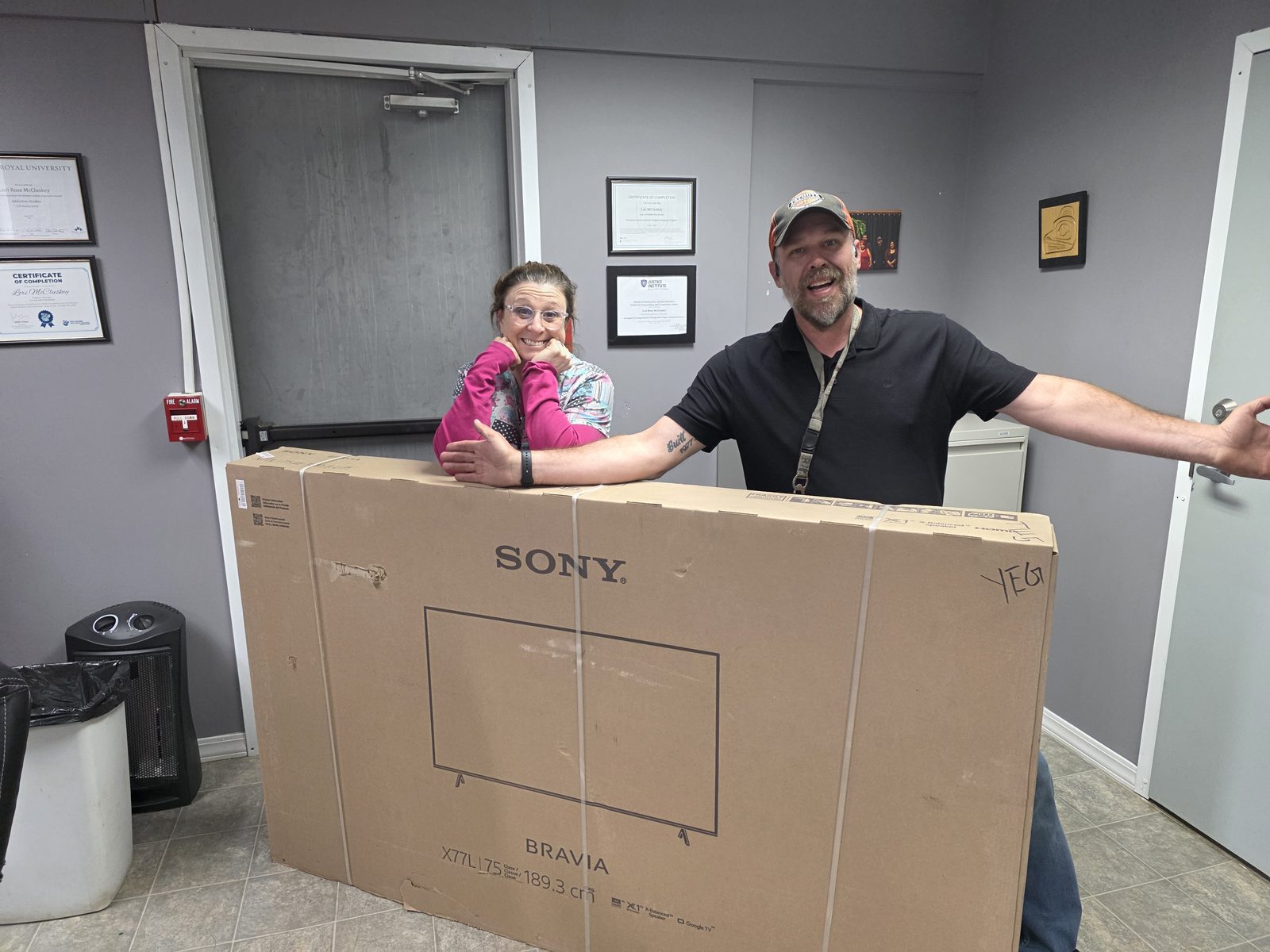
A smiling man with his arm out and a girl in a pink jacket stand behind a large Sony television box in an office hallway.

We need the internal capacity to plan carefully, manage resources effectively, make informed decisions and demonstrate accountability to our members.

The FMB framework also provides a pathway toward independent certification of a Nation's financial performance and financial management systems. Financial Management System certification demonstrates that a Nation is consistently applying the governance and financial practices established through its Financial Administration Law.

How this builds Our Nation. Our Future.

Strong financial management may happen largely behind the scenes, but it is fundamental to almost everything we want to accomplish.

As Ts’il Kaz Koh creates new partnerships, pursues economic opportunities and assumes greater responsibility for decisions affecting our people and territory, we also need to ensure that our own systems grow with us.

That means establishing clear rules and responsibilities. It means planning beyond a single year or a single term of Council. And it means giving future leaders and staff strong systems they can build upon rather than having to start again.

Ultimately, this work is about more than financial management.

It is about building the institutional strength required for greater independence and self-determination.

The stronger our governance and financial foundation becomes today, the better positioned Ts’il Kaz Koh will be to manage its own opportunities, make its own decisions and invest in the priorities of its people tomorrow.

A strong Nation needs a strong foundation -- one capable of supporting our people not just today, but for generations to come.

Chapter 3

Supporting Our People, Strengthening Our Community

Health, Housing and Community Well-Being

The future of Ts’il Kaz Koh begins with the health and well-being of our people.

That is why important work continues to strengthen access to health and wellness services, support members in navigating health systems, create opportunities for prevention and education, and ensure members of all ages can find the help and resources they need.

Throughout the year, Ts’il Kaz Koh has provided direct support to members through patient travel, accommodation arrangements, home visits, health advocacy and connections to health programs and benefits. Working with Carrier Sekani Family Services, Northern Health, First Nations Health Authority and other providers has also helped bring health education, professional expertise and services closer to the community.

Bottles of apricot kernel, jojoba, castor, shea and other natural oils lined up on a counter beside a curtain.
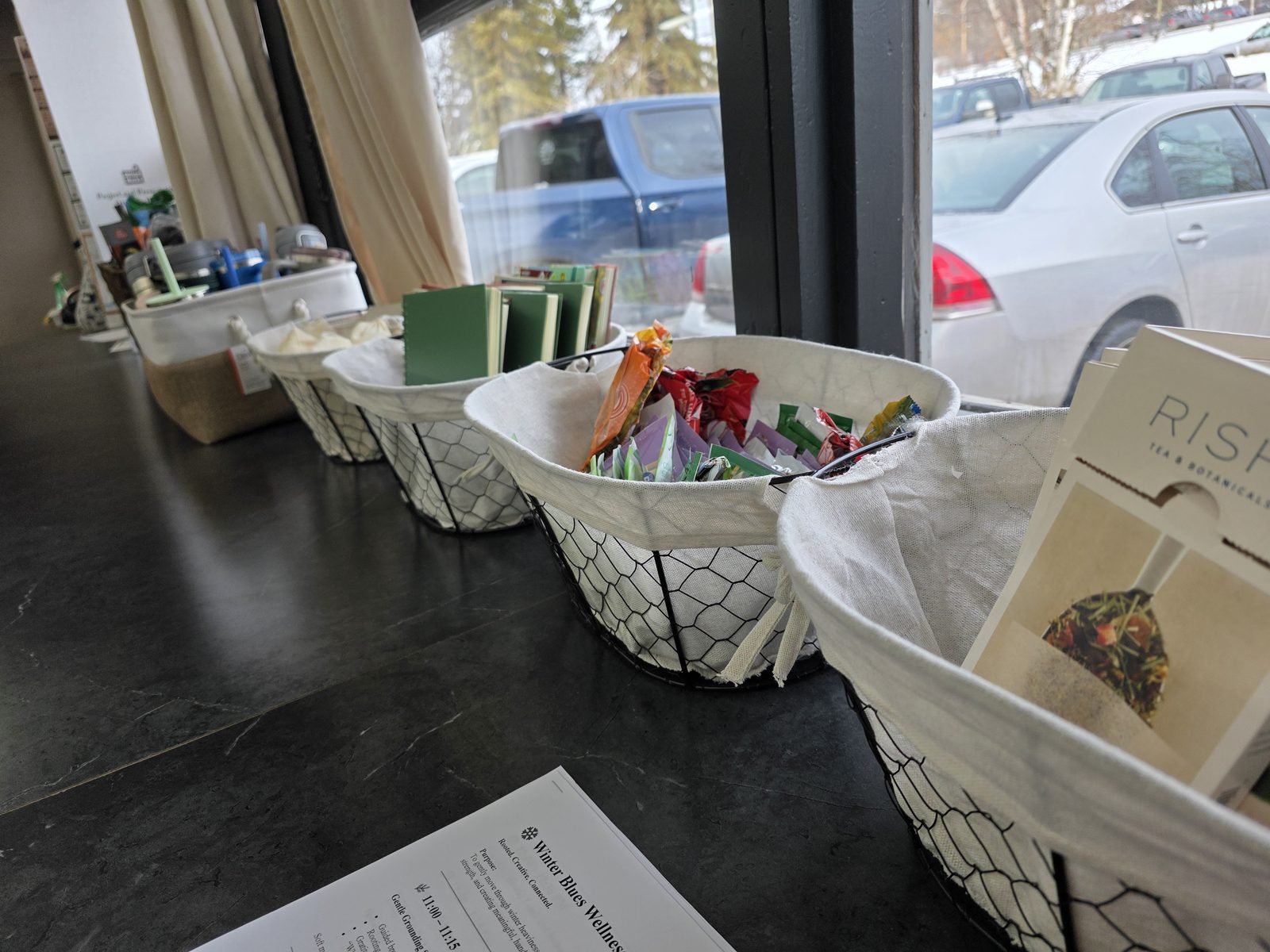
Wire baskets of wrapped tea bags and small packets on a dark table in a bright room, with a printed sheet in front.

Community programming has focused on practical health priorities. Activities have included diabetes prevention and education, diet and nutrition, sexual health, women's health, Elders' wellness and information about FNHA benefits. A six-week diabetes education and support program was also introduced, providing members with an opportunity to build knowledge and take a more active role in their health.

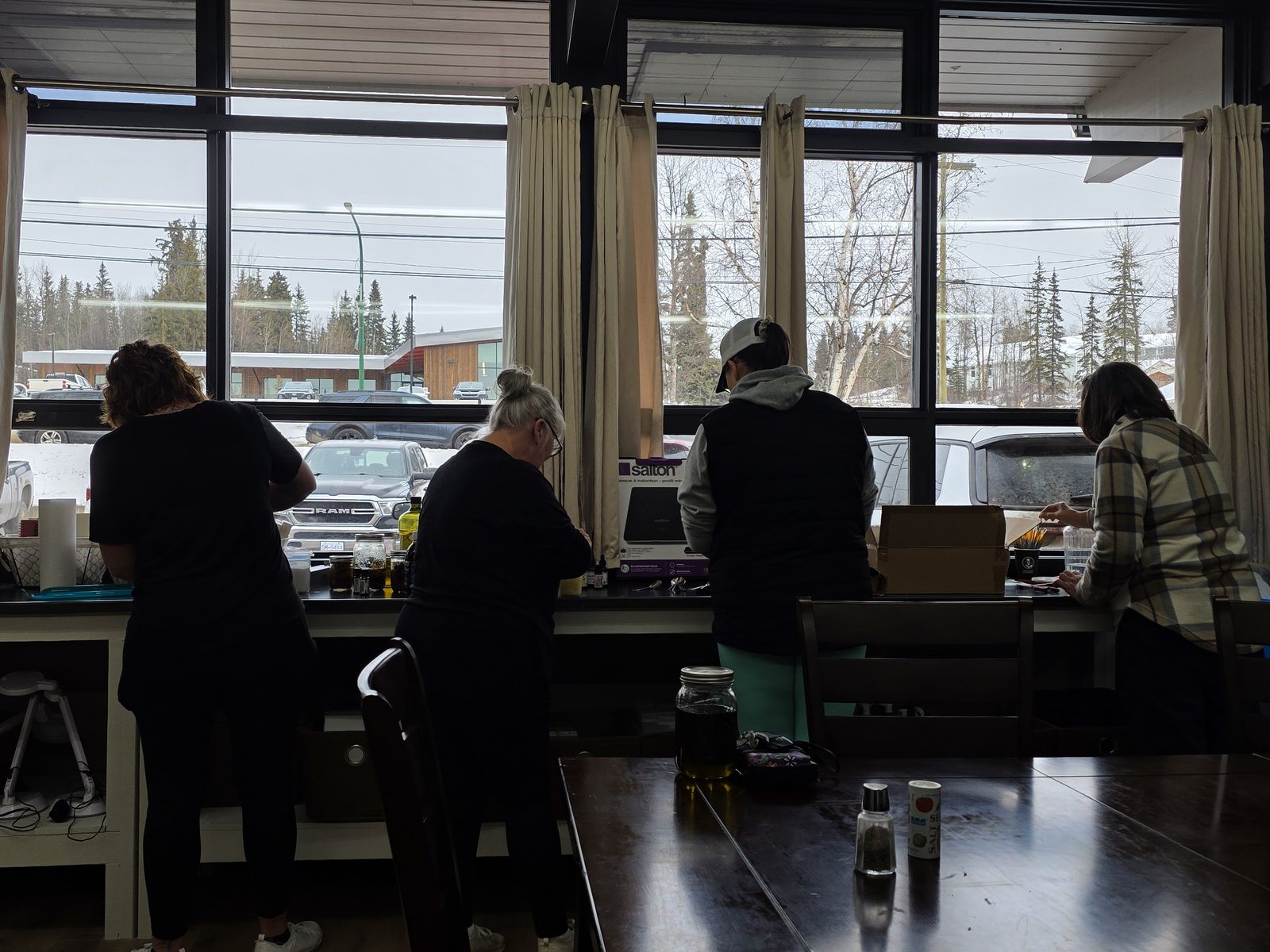
Four people seen from behind work at a long counter in front of tall windows, with a snowy street outside.
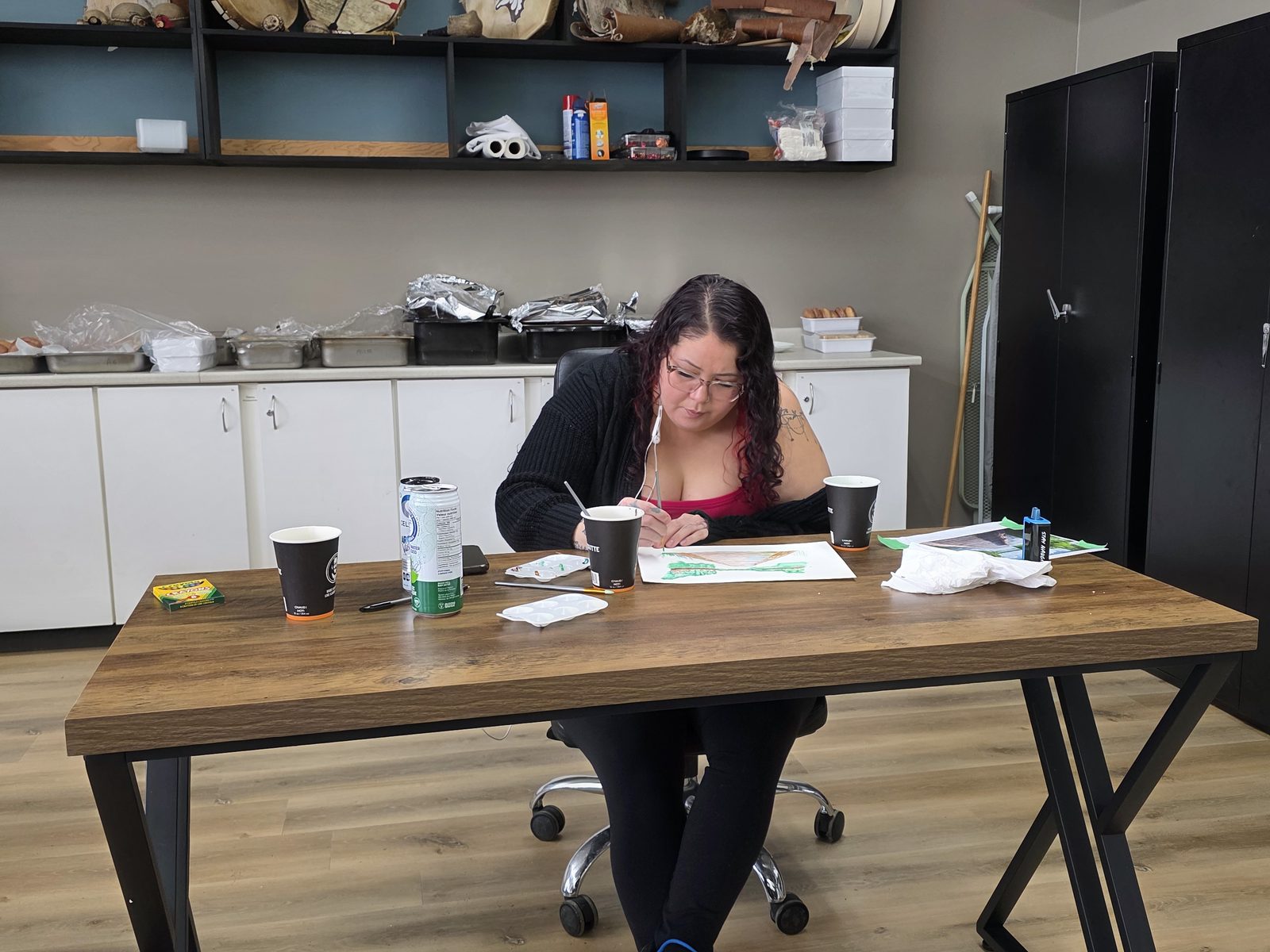
A woman with long dark hair draws at a wooden table with a cup and supplies, in a room with shelves and cabinets.
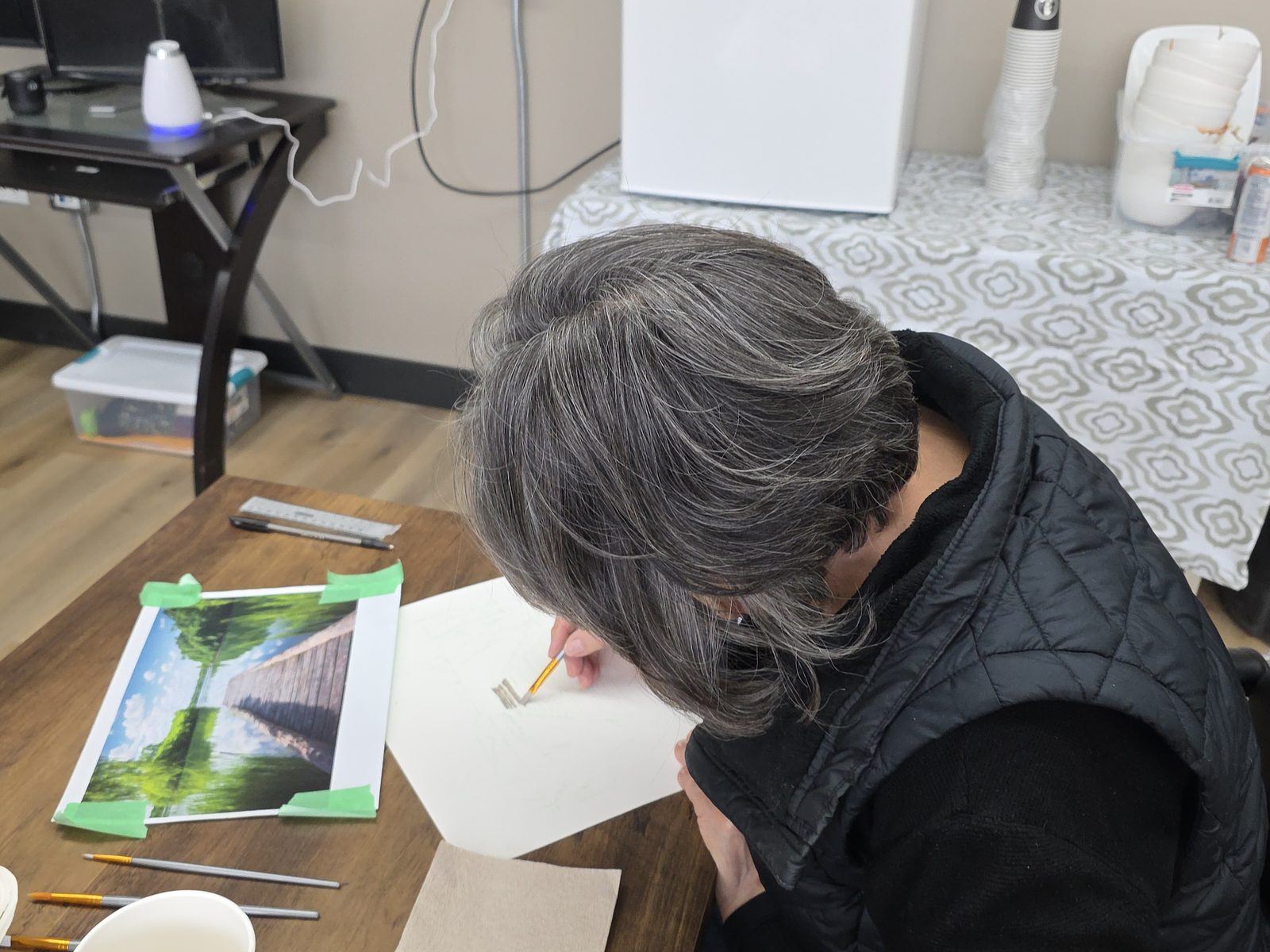
A person with grey hair paints at a table beside a taped-down printed photo of a river and trees.
More photos 1A wellness workshop
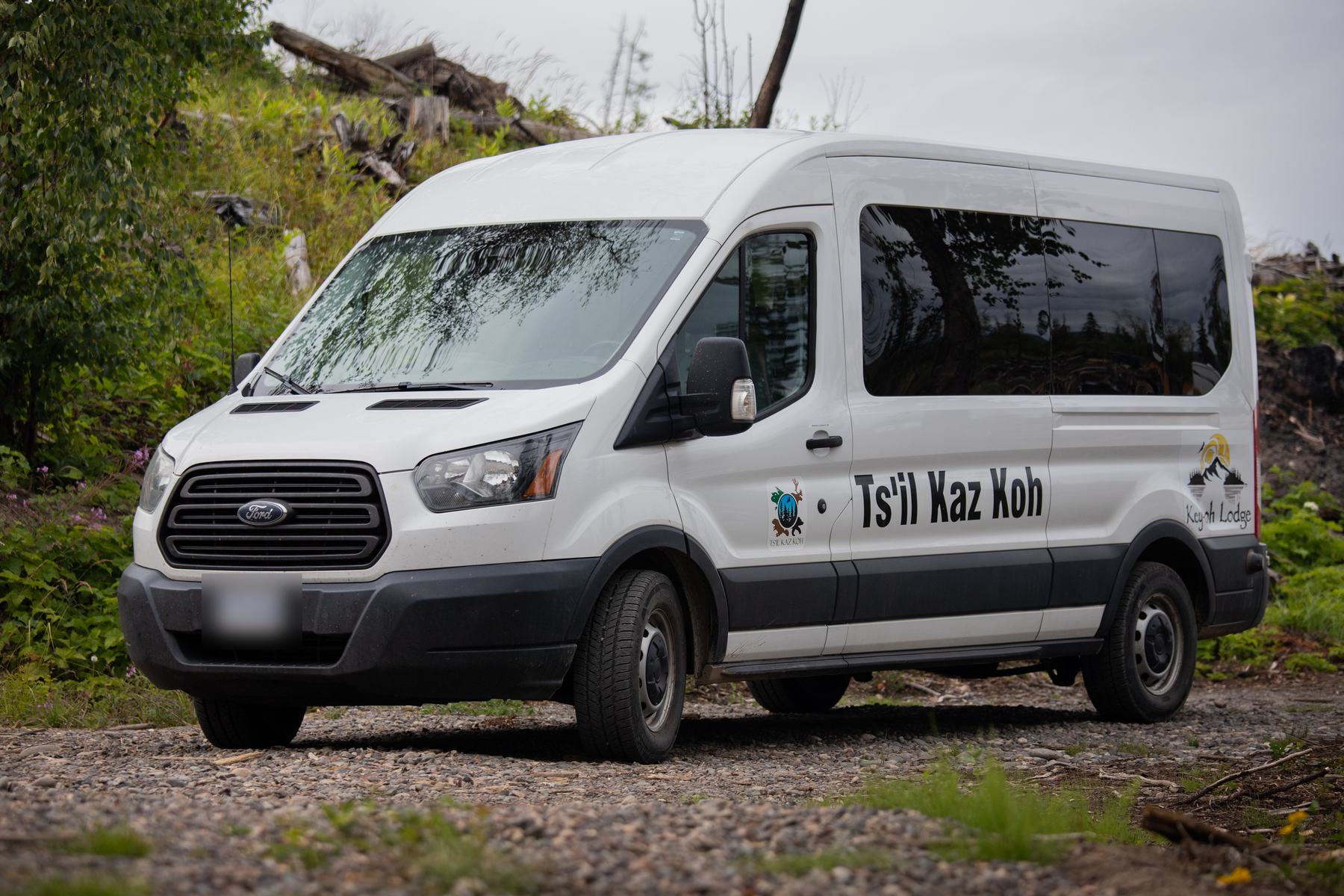
A white passenger van parked on a gravel lot, with Ts’il Kaz Koh painted on its side.

The work extends beyond physical health. Members have also received assistance accessing mental health, drug and alcohol supports, counselling referrals and other wellness services, with an emphasis on helping people find the appropriate support when they need it.

Elders and older adults remain an important focus. Current initiatives include movement and wellness activities, regular home visits, assistance attending gatherings and health events, and continued planning for programming that helps Elders remain healthy, active and connected.

At the same time, Ts’il Kaz Koh is strengthening the places and opportunities that bring members together. Improvements have been undertaken at the Gathering Place and Culture Camp, while planning is underway for a proposed Community Heritage Walk and Park designed as an accessible place where children, families, Elders and other community members can walk, gather, learn and connect.

The proposed park reflects a broader goal: creating community spaces that feel like our own and that reflect Ts’il Kaz Koh's culture, history and families.

How this builds Our Nation. Our Future.

Nation building starts with healthy, supported and connected people.

Economic development can create opportunities and generate resources, but the purpose of that progress is ultimately to improve the lives of Ts’il Kaz Koh members and strengthen the community they call home.

That means ensuring members can access health and wellness supports. It means caring for Elders, creating places where generations can come together, strengthening connections between members and building a community in which children and young people can see a future for themselves.

These investments are therefore investments in the long-term strength and capacity of Ts’il Kaz Koh itself.

A stronger future begins with healthy people, supported families, connected generations and a community where everyone has the opportunity to thrive.

Chapter 4

Caring for Our Children, Exercising Our Jurisdiction

Building a Nation-Led Future for Child and Family Services

Caring for our children and families has always been one of our most important responsibilities.

For generations, decisions affecting Indigenous children and families have too often been made through systems, laws and institutions outside our Nations. The work now underway represents an important step toward changing that --building the laws, governance, services and capacity needed for our Nations to exercise greater jurisdiction over the well-being of our own children and families.

Through Skak ha ba bay / Neẕkeh ba (For Our Children), work is advancing toward a future in which child and family services are increasingly guided by Carrier and Sekani laws, cultures, values and governance traditions.

This is significant work. It is also complex work that must be undertaken carefully, with strong governance, meaningful community involvement and the systems and capacity necessary to make jurisdiction work in practice.

Building the Foundation for Jurisdiction

Over the past year, substantial progress has been made in preparing for this transition.

Following the September 2025 Legislative Leadership Forum and extensive community and virtual engagement, elected leaders, hereditary leaders, clan leaders and matriarchs came together to strengthen their understanding of the jurisdiction process and help establish a shared path forward.

That work identified more than 70 projects across CSFS needed to support implementation. They fall into three broad areas:

  • improving the services already being provided;
  • preparing for the transition toward jurisdiction; and
  • establishing the governance and service-delivery structures that will be required in the future.

Together, this work is helping move jurisdiction from a vision toward something our Nations can put into practice.

Strengthening Our Laws and Governance

A central part of exercising jurisdiction is having the laws and governance structures necessary to support it. Throughout 2026, work has continued to refine Skak ha ba bay / Neẕkeh ba, develop regulations, advance governance models and design structures that can support Indigenous laws and decision-making.

Progress has also been made toward establishing an Elders Council, strengthening governance advisory structures and advancing Community Wellness Teams in communities where they do not already exist. Planning is also underway for future jurisdiction entities that can help guide implementation.

This is about more than creating new administrative structures. It is about building a system rooted in who we are and ensuring our laws, knowledge and ways of caring for one another have a meaningful place in decisions affecting our children and families.

Listening to Our Communities

Jurisdiction cannot be built from the top down. Community engagement has therefore remained at the centre of this work. Nation-based engagement sessions, virtual events, community meetings and health fairs have helped increase understanding of what jurisdiction means and create opportunities for members to participate.

New approaches, including “What We Heard” reports, are also helping strengthen transparency and ensure that what is heard from communities continues to inform decisions. Additional engagement with members living away from home is also being planned.

As this work progresses, continuing that conversation will be essential. Our people need opportunities not only to understand what is changing, but to help shape how jurisdiction is exercised.

Getting Ready to Deliver Services Differently

Having jurisdiction also means being ready to exercise it. Significant work is underway to ensure policies, procedures, workforce planning and organizational structures can support future service-delivery models.

Community Wellness Team planning is advancing, as is broader transition planning. At the centre of that work is an important principle: future services should remain culturally grounded and help keep children connected to their families, communities and traditions.

Preparation is also underway for future Coordination Agreement Discussions with Canada and British Columbia. Working groups are advancing community needs assessments, capital and workforce planning, costing models, service-delivery mapping, demographic analysis and governance readiness.

This information will help our Nations enter future discussions with a clearer understanding of what our communities need and what will be required to exercise jurisdiction successfully.

Moving from Planning to Readiness

The remainder of 2026 will be about continuing the shift from foundational planning toward implementation readiness. That means completing important governance, policy and regulatory work; advancing the Elders Council and other governance structures; continuing community and capital needs assessments; expanding engagement; advancing Community Wellness Teams; and completing the operational, workforce and service-delivery planning necessary for what comes next.

There is still considerable work ahead. Exercising jurisdiction over child and family services requires more than changing who administers a program. It requires building the laws, governance, capacity and services that allow our Nations to make decisions in ways that reflect our own values and responsibilities.

Our Children. Our Responsibility. Our Future.

At its heart, this work is about our children. It is about creating a future where Carrier and Sekani children and families are supported by systems that understand who they are, where they come from and the communities and cultures to which they belong.

By the end of 2026, the goal is to have substantially completed the legal, governance, operational and planning foundations required for the next phase -- moving participating Nations closer to exercising child and family jurisdiction grounded in Carrier and Sekani laws, cultures, values and governance traditions.

That is part of the larger work of Nation building. It is about taking greater responsibility for decisions that affect our people, strengthening our ability to care for one another, and building systems that reflect our priorities rather than having them determined for us.

Most importantly, it is about creating the conditions for our children and families to live to their fullest potential -- connected to family, connected to community, connected to culture and supported by their Nations.

That is the future we are working toward.

Section 02 of 04 · Our Land2026 Fall Report

Yintah

Our Land.

Chapters 5–8 of the Fall Report: building housing and community infrastructure, caring for community places and Cliff Lake Camp, building our own knowledge of the territory, and moving stewardship and development together.

10Active projects Ts’il Kaz Koh is currently participating in across our territory, chapters 6 and 7.

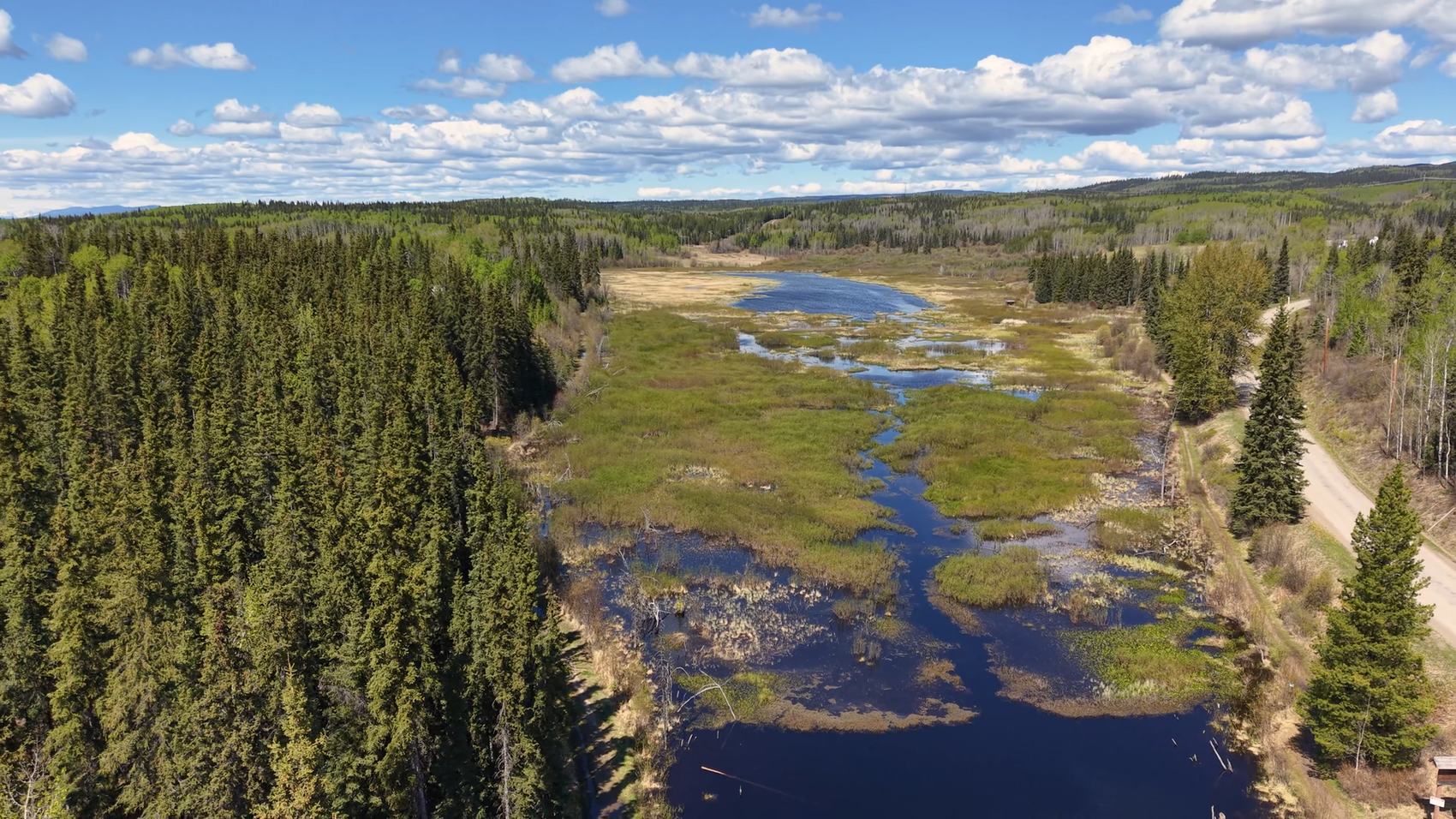
Aerial view of a dark creek winding through green wetland between spruce forest.
  • 7Projects particularly active this fiscal yearOf the 10 active projects overlapping our territory, chapters 6 and 7.
  • 3Watersheds targeted nextDecker Creek, Sauls Creek and Sheraton Creek, chapter 7.

Chapter 5

Building the Foundations for Our Future

Housing, Infrastructure, Energy & Community Development

Building a strong Nation means making sure our community has the infrastructure, housing and services our people need today, while planning for the growth and opportunities that lie ahead.

Over the past year, Ts’il Kaz Koh has continued to advance a wide range of capital projects. Some are already complete. Others are moving through feasibility, design, funding or approval processes. Together, they represent important investments in the long-term strength, safety and sustainability of our community.

Improving Our Community Infrastructure

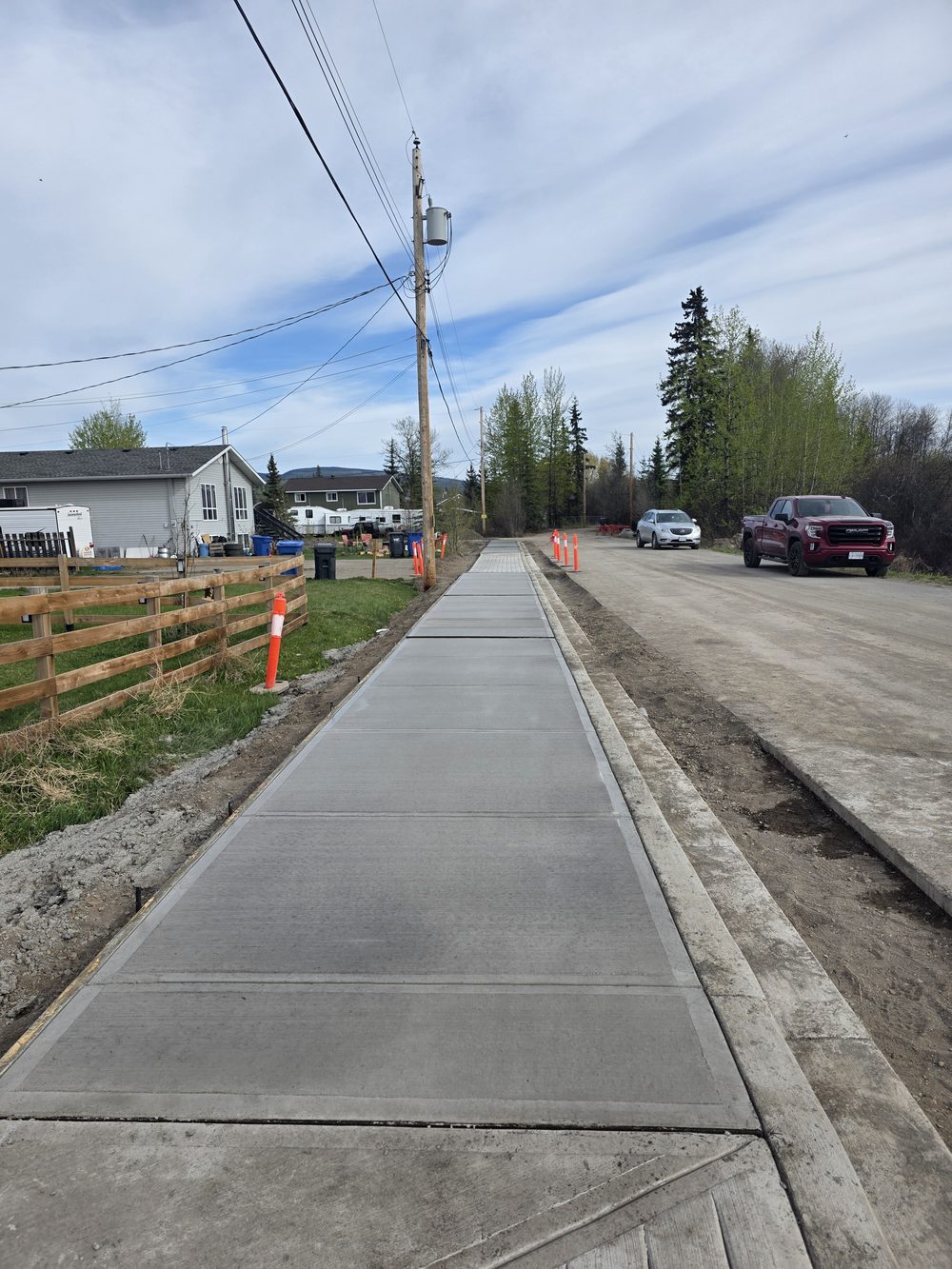
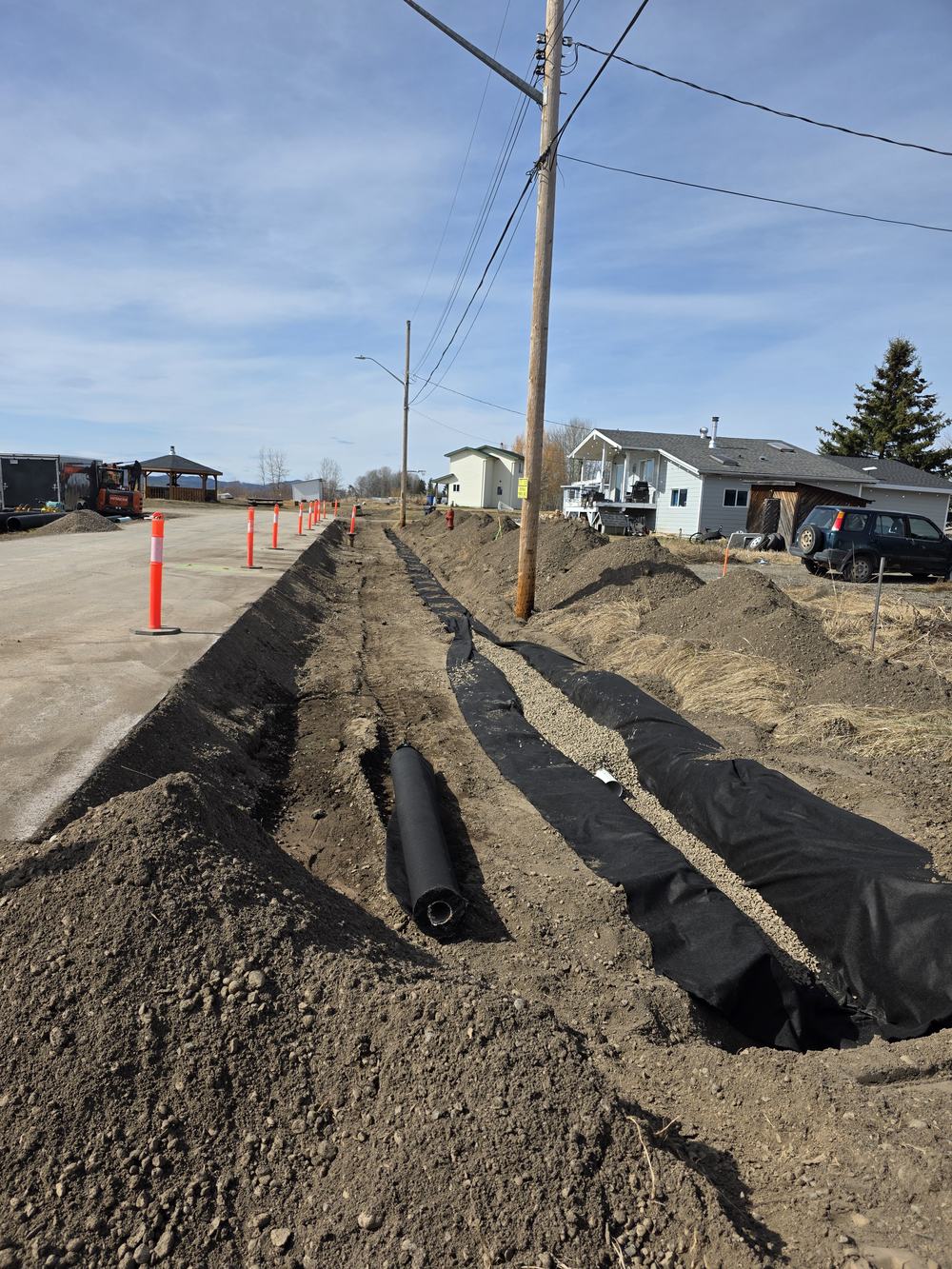
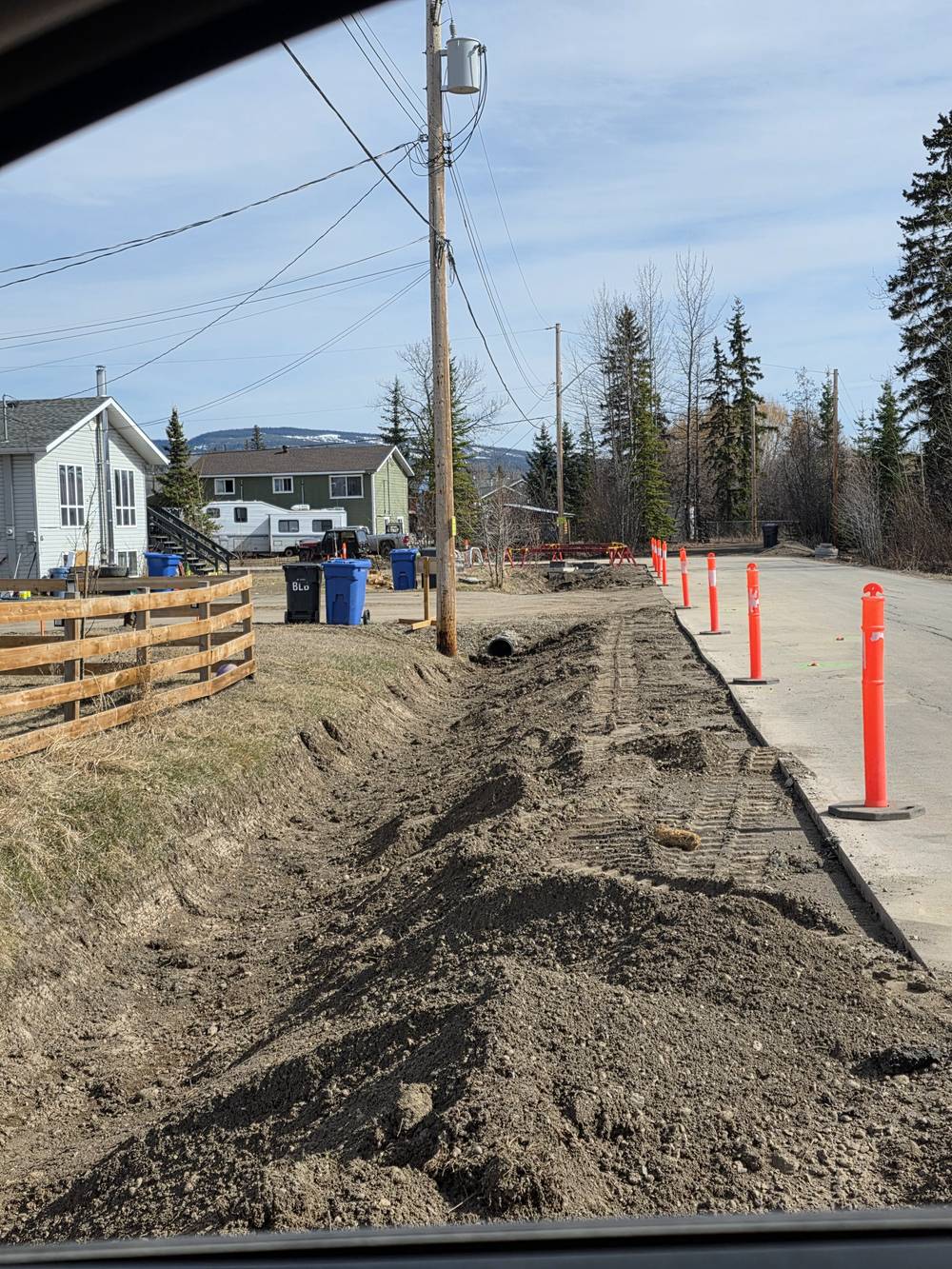
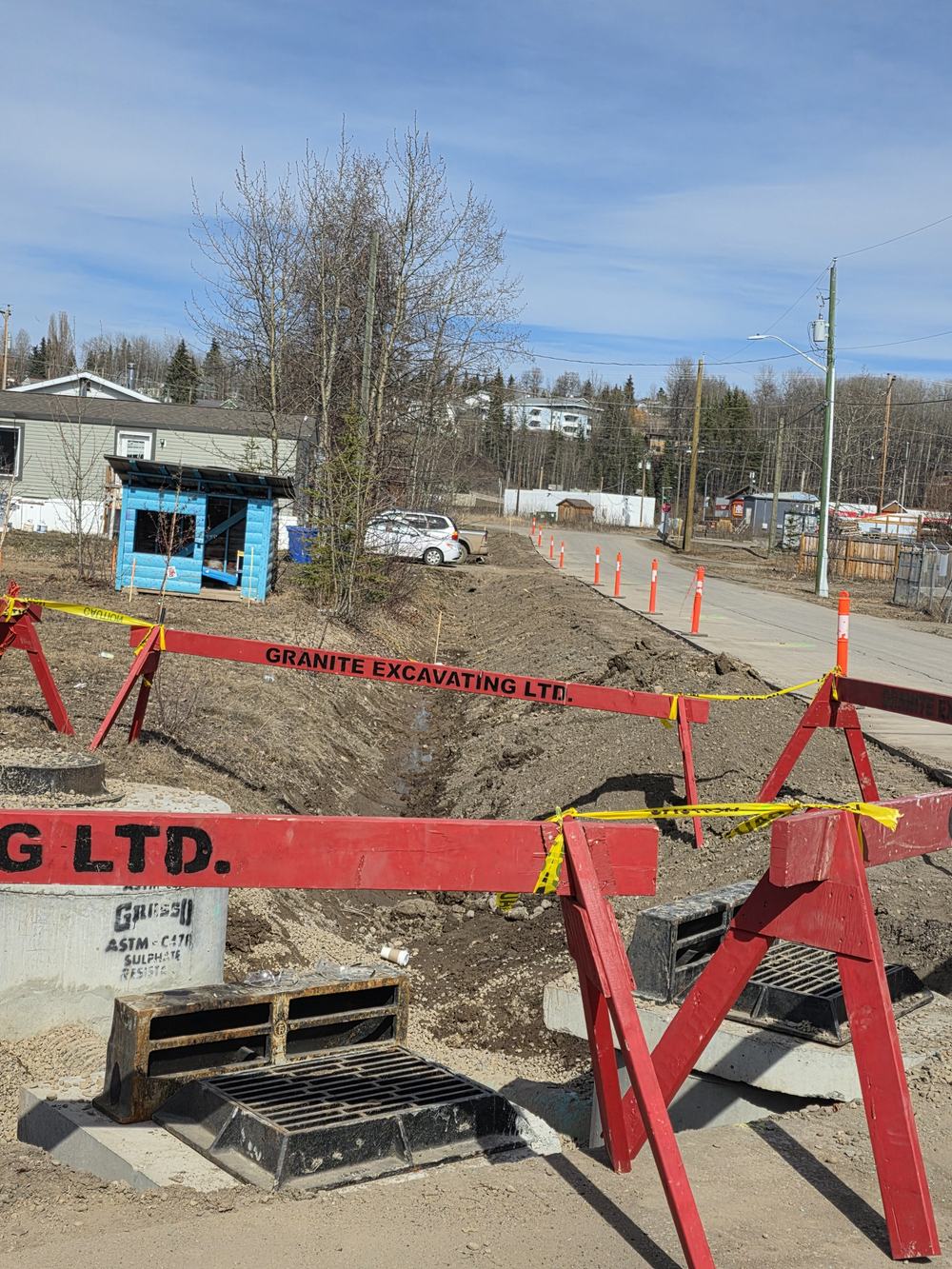
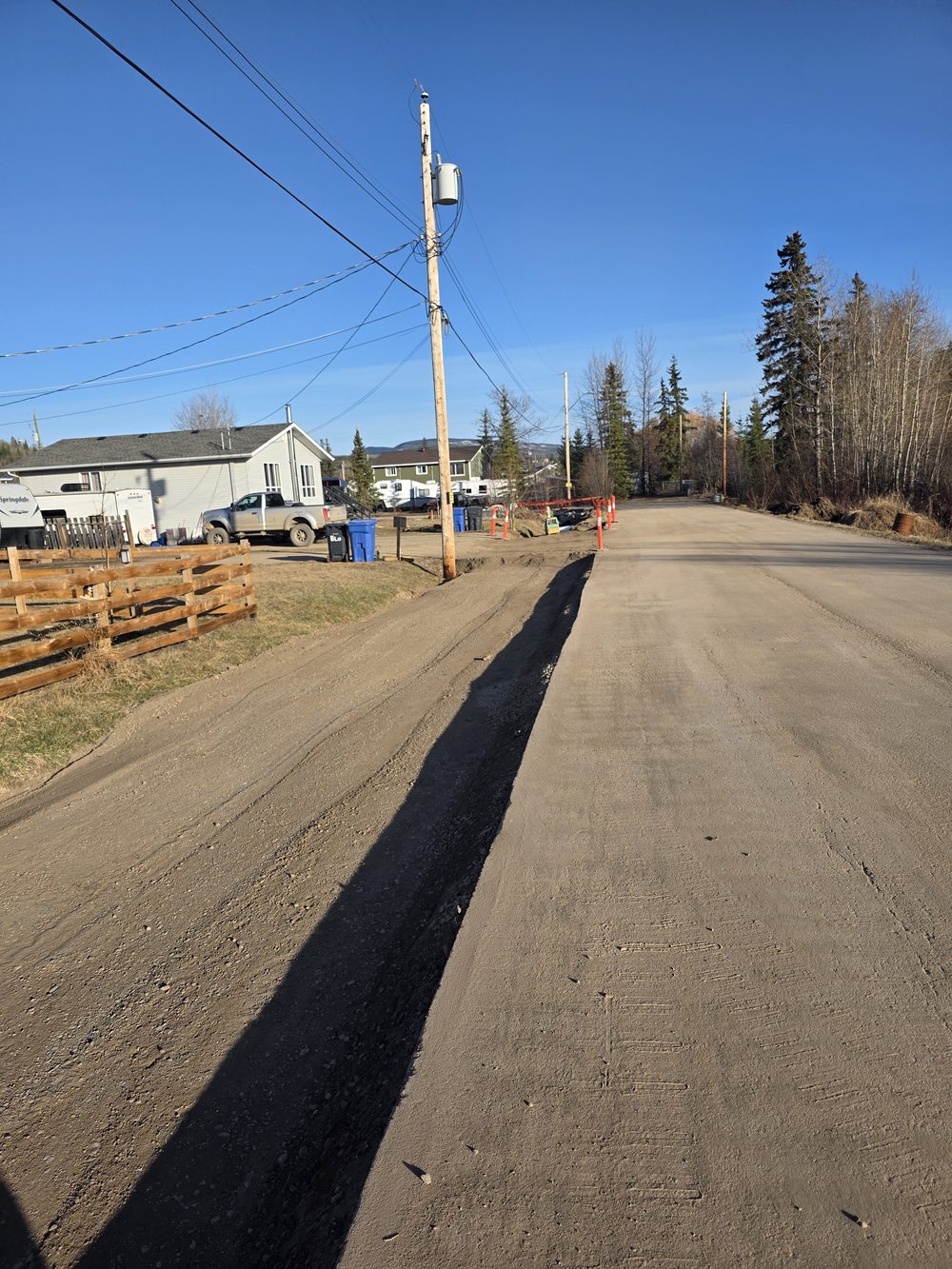
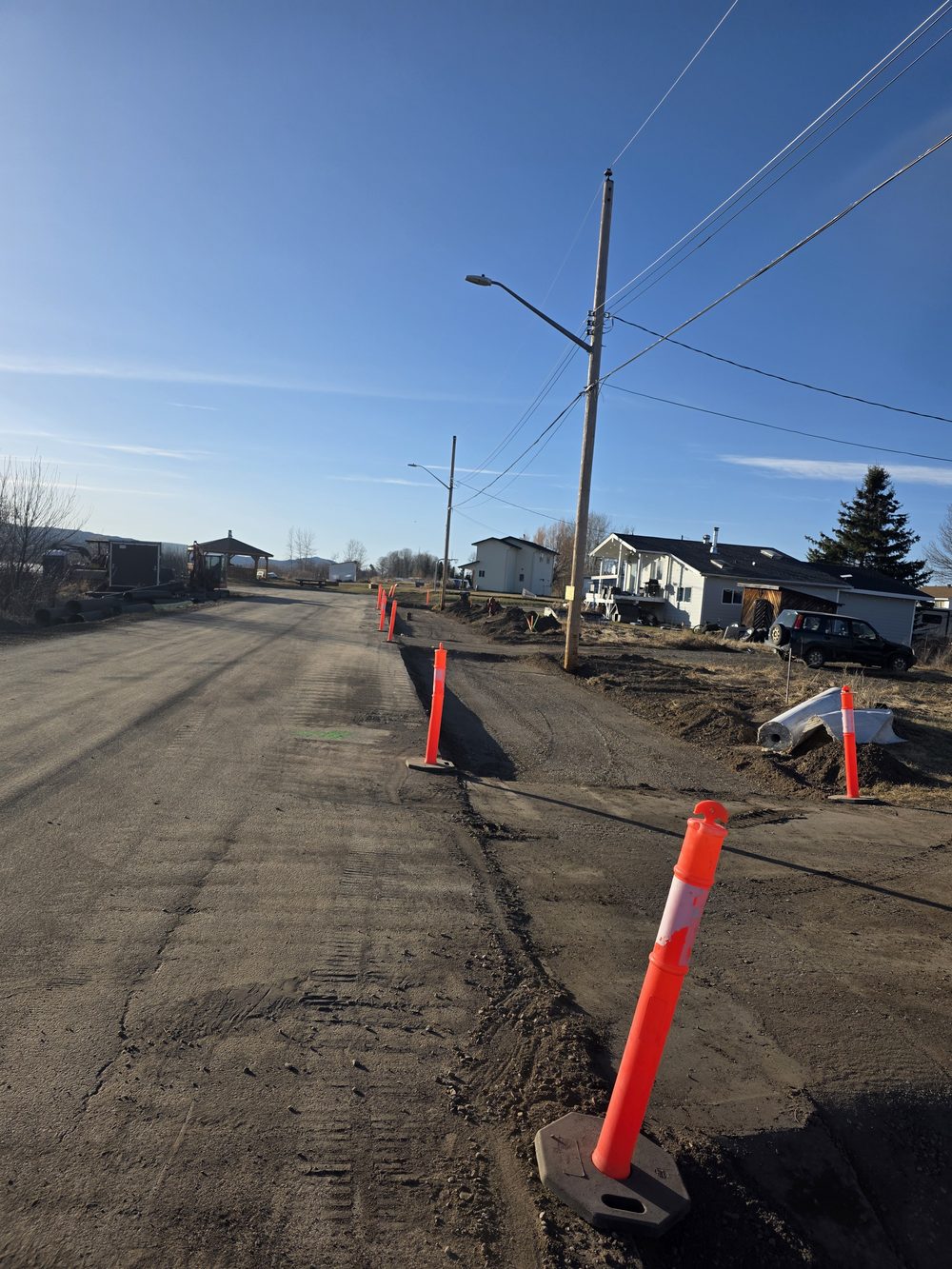
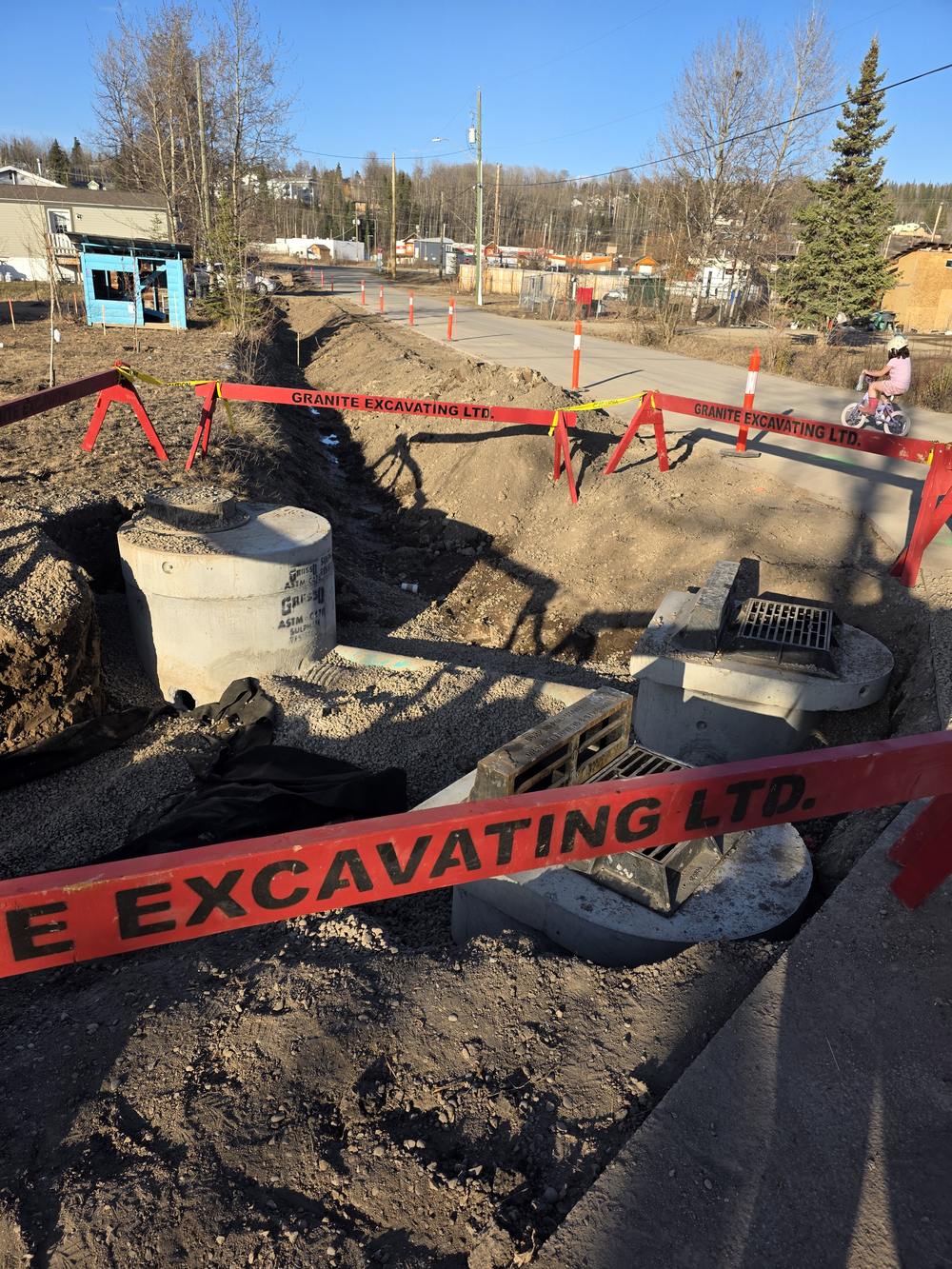
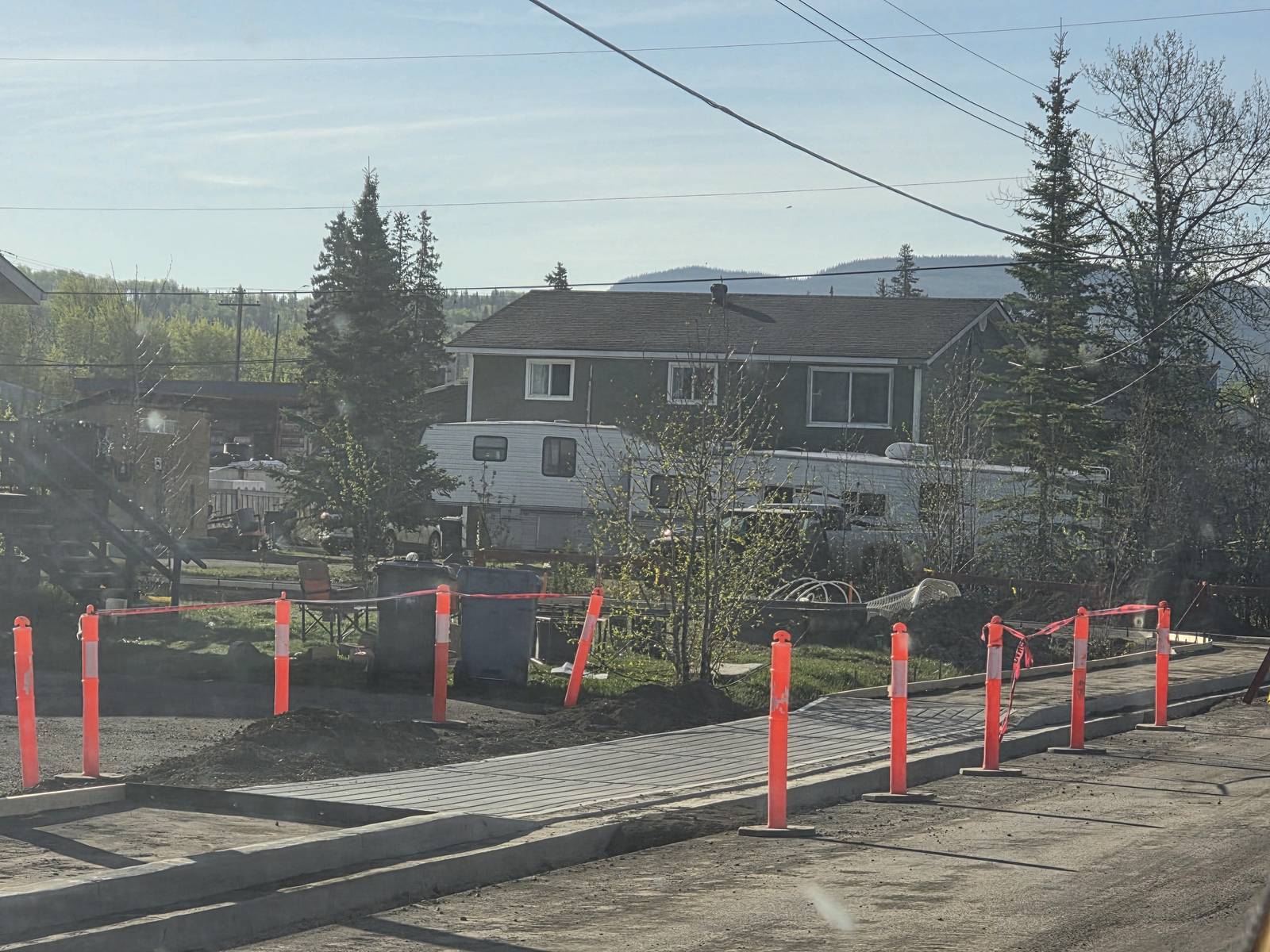
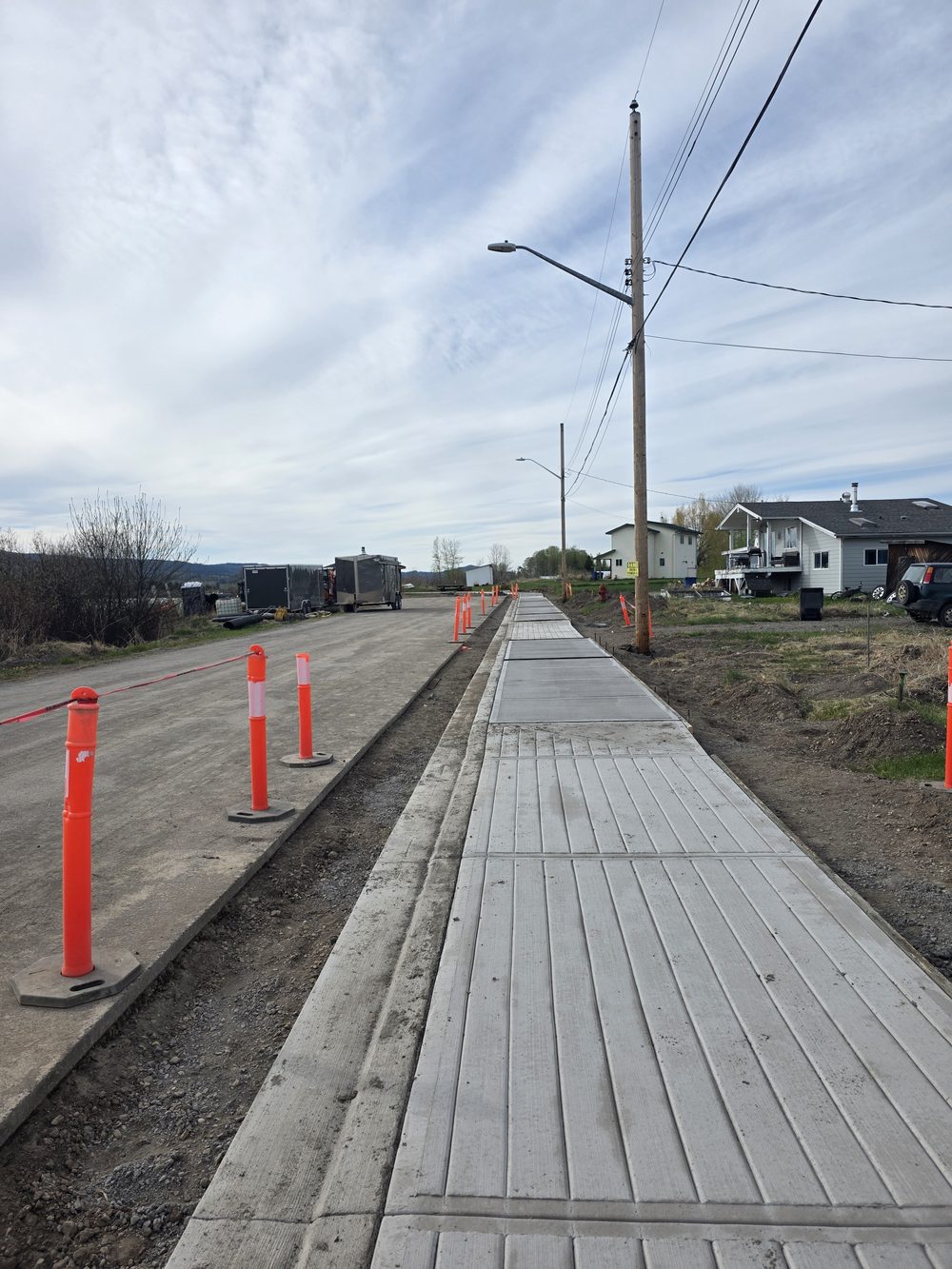
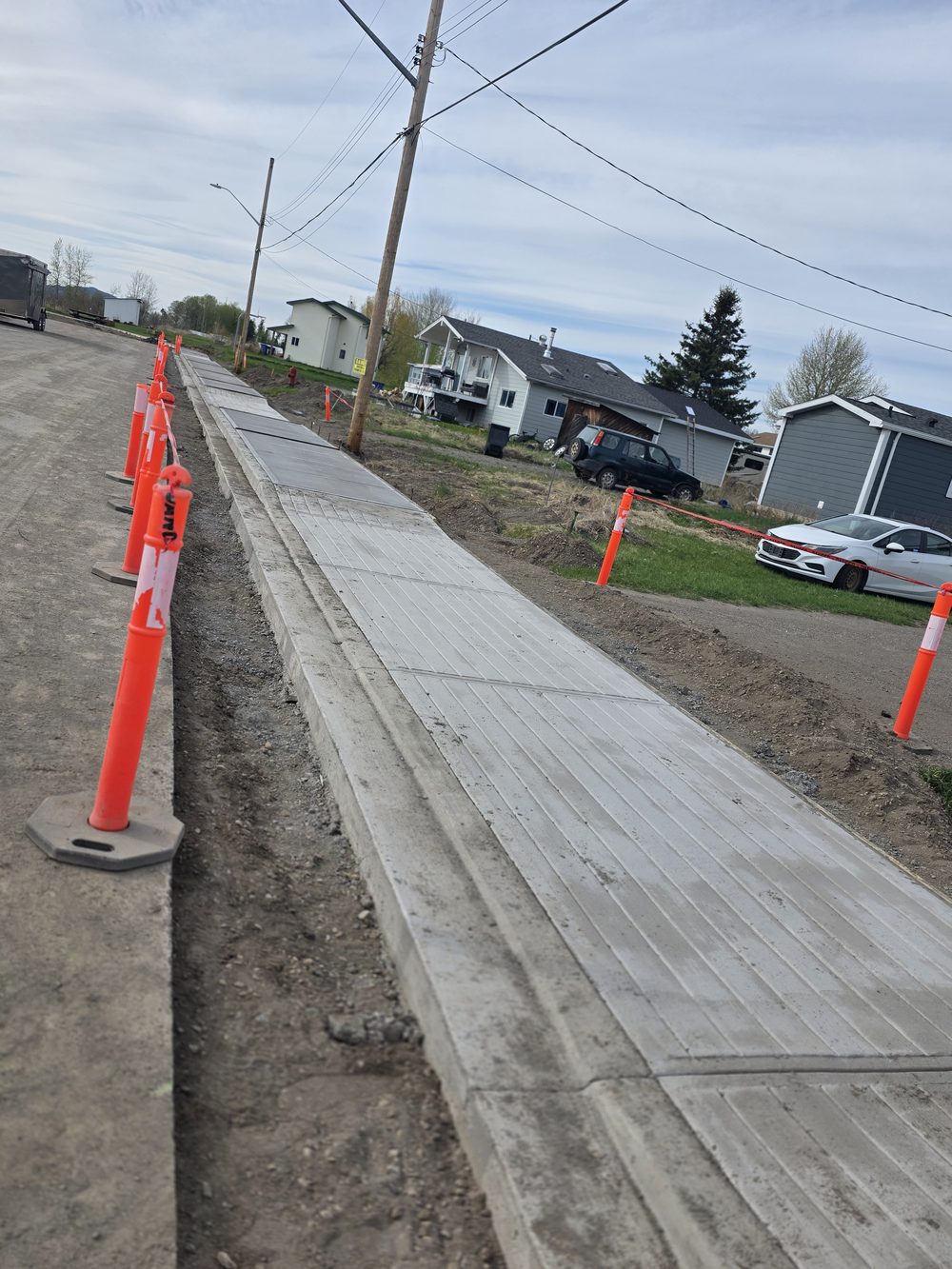
One visible improvement is the Charlie Crescent sidewalk, completed in August 2026. The $530,000 project was supported through the BC Active Transportation Grant Program, which provided $424,000, with Ts’il Kaz Koh contributing $106,000.

A finished grey concrete sidewalk runs along the road beside a wooden fence, with a truck parked ahead.
A trench with black fabric in the bottom runs beside a paved road, with a power pole and houses beyond.
A gravel berm and wooden fence beside a street seen from a car window, with orange traffic posts and a power pole.
More photos 8Building the sidewalk, April to August · The finished sidewalk
Red barricades and yellow tape surround an excavation beside a road, with a small blue hut and houses behind.
A wide graded gravel road stretches away beside a wooden fence, with power lines and a pole casting a long shadow.
A gravel road with orange marker posts and a street light, with houses and spruce trees ahead.
Concrete manhole rings in an open excavation edged with red tape and barricades.
A new concrete sidewalk edged with orange posts in front of a two-storey house, with spruce trees and hills behind.
A long stretch of sidewalk formwork with a gravel base beside orange posts, running toward houses.
A close-up of the edge of a concrete slab with a thin yellow line along the join.
A new concrete sidewalk with orange posts beside a road lined with houses under a wide sky.

Work is advancing on the proposed Railway Avenue residential subdivision. Feasibility and design applications have been approved by Indigenous Services Canada (ISC), and work is proceeding toward project approval. The approximately $6.84-million infrastructure project would include earthworks, storm and sanitary systems, water, streets, sidewalks and electrical servicing, creating the foundation for future residential development.

Ts’il Kaz Koh has also purchased two parcels of land from CN Rail. One will allow for expansion of the cemetery, while the other provides frontage for access to the Railway Avenue subdivision.

Creating More Housing

Housing continues to be an important focus. Through the Urban, Rural and Northern Indigenous Housing Strategy, funding has been made available to help off-reserve Ts’il Kaz Koh members make improvements to their homes, including furnaces, windows, doors, hot-water tanks and roofing. Nineteen members responded with renovation needs totalling more than $642,000.

Remaining program funding, together with additional funding approved by Chief and Council, is also being used toward construction of a new rental home for Ts’il Kaz Koh members on Casimir Avenue in Burns Lake.

Planning continues as well for All Clans House. ISC provided $99,700 for a feasibility study, which is under review. Once that work is approved, the project can move toward the design stage.

Investing in Clean Energy and Lower Costs

Ts’il Kaz Koh is also looking at how renewable energy and energy efficiency can reduce costs and strengthen the Nation over the long term.

A 48-panel solar array and battery backup system has been installed at the Band Office with $291,900.90 in funding from New Relationship Trust. The system can generate credits during higher-production summer months that can be applied against winter electricity use, helping reduce long-term operating costs.

The Nation is exploring a much larger opportunity as well. Working with GOTT Energy, Ts’il Kaz Koh submitted an application of interest to BC Hydro's First Nations Electricity Program for a proposed 15-megawatt solar project. If accepted, the proposed development would cover approximately 100 acres and is estimated at about $30 million.

Additional solar projects are being considered for the Key-oh Lodge and Key-oh Hotel, while energy audits have been completed for the Band Office, Lodge and Hotel to identify potential upgrades to windows, doors, roofing, HVAC, electrical and plumbing systems.

Making Homes More Energy Efficient

Through the Partners in Indigenous Energy Efficiency & Resilience (PIEER) initiative, energy audits have been completed for homes on IR 18.

An initial funding application for air-source heat pumps for every home on IR 18 has been approved, with quotes now being gathered. Further funding will be pursued for improvements such as windows, doors, siding, ventilation and insulation.

This work is about more than energy efficiency. Better-performing homes can mean greater comfort, lower energy use and stronger housing for our members.

Protecting Our Lands and Community

Infrastructure work also means understanding and addressing risks from the past.

Environmental assessments have been undertaken across reserve lands to identify potential contamination. This has included removal of a buried 30,000-litre fuel tank, groundwater monitoring and investigation of other identified sites. Phase III work is expected to continue in 2027 to gather further groundwater samples and determine what remediation may be required. ISC has funded the environmental assessment work undertaken to date.

Ts’il Kaz Koh has also completed a review of its reserves through the Community Wildfire Resiliency Plan. The draft is under review, with forest mitigation work anticipated to begin in spring 2027. Fire hydrants and associated water valves on reserve have also been inspected and were found to be in good repair.

A building-condition and asbestos assessment of the Band Office has also been completed to identify potential hazards and repairs and help guide future maintenance.

Strengthening Regional Infrastructure

Some infrastructure challenges cannot be addressed by one community alone.

The Pioneer Sewer Lift Station is a joint initiative involving Ts’il Kaz Koh, Lake Babine Nation and the Village of Burns Lake. The 62-year-old station has reached the end of its expected operating life. Feasibility work has been approved and design work is underway on the approximately $3.5-million replacement project.

Ts’il Kaz Koh has also established an agreement that allows the Nation's recycling to be collected through an existing regional program, another example of collaboration being used to improve community services.

Supporting People Who Need a Home

Since July 2025, Ts’il Kaz Koh has managed Dzee Inzu Yikh — Good Hearted House, a 44-unit supportive-housing complex that provides housing alongside daily meals, referrals and culturally appropriate programming.

The complex was purchased in 2020 through a partnership involving the Province, BC Housing and six surrounding First Nations, with the goal of providing homes and supports for people experiencing, or at risk of, homelessness in Burns Lake.

How This Builds Our Nation. Our Future.

Each of these projects addresses a different need, but together they are part of the same work: building the foundations our Nation needs to grow.

We are creating new housing opportunities, improving community infrastructure, reducing energy costs, protecting our lands, strengthening essential services and planning for future development.

Just as importantly, Ts’il Kaz Koh is leveraging partnerships and outside funding to undertake projects that would otherwise place significant pressure on Nation resources.

Some of this work will take years to complete. But every feasibility study, design, funding approval and completed project moves Ts’il Kaz Koh another step forward -- building a safer, stronger and more sustainable community for our people today and for the generations who will follow.

Chapter 6

Caring for the Places That Connect Us

Land, Community and Stewardship

Taking care of our Nation means taking care of both our lands and the places our people rely on.

Over the past several months, important work has continued across Ts’il Kaz Koh territory -- from maintaining community properties and preparing Cliff Lake Camp for members, to monitoring watersheds and participating in decisions about major projects taking place on our lands.

Some of this work is highly visible. Other parts happen quietly in the background. Together, however, they reflect an important principle:

We need to build the capacity to look after our own lands, infrastructure and community assets.

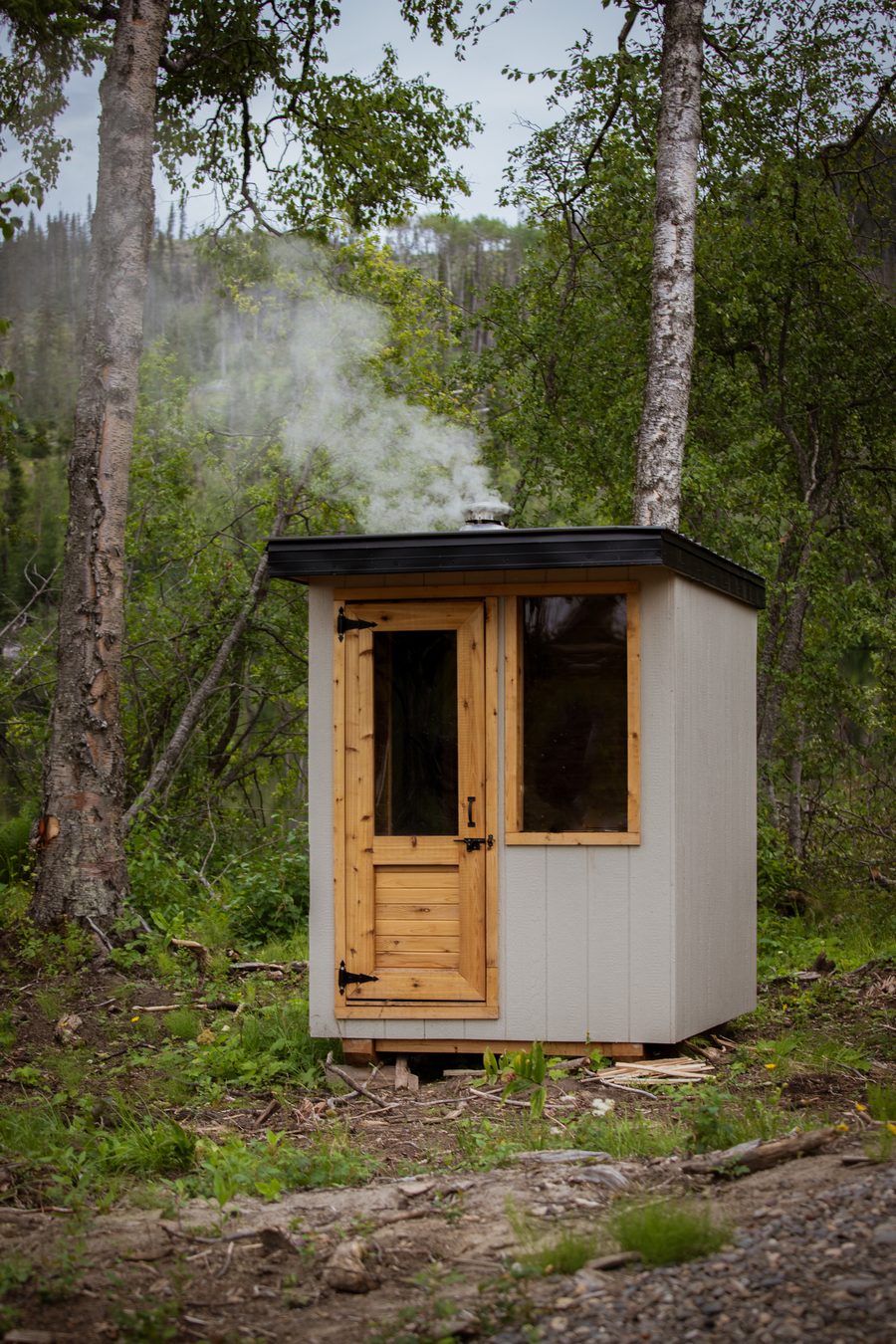
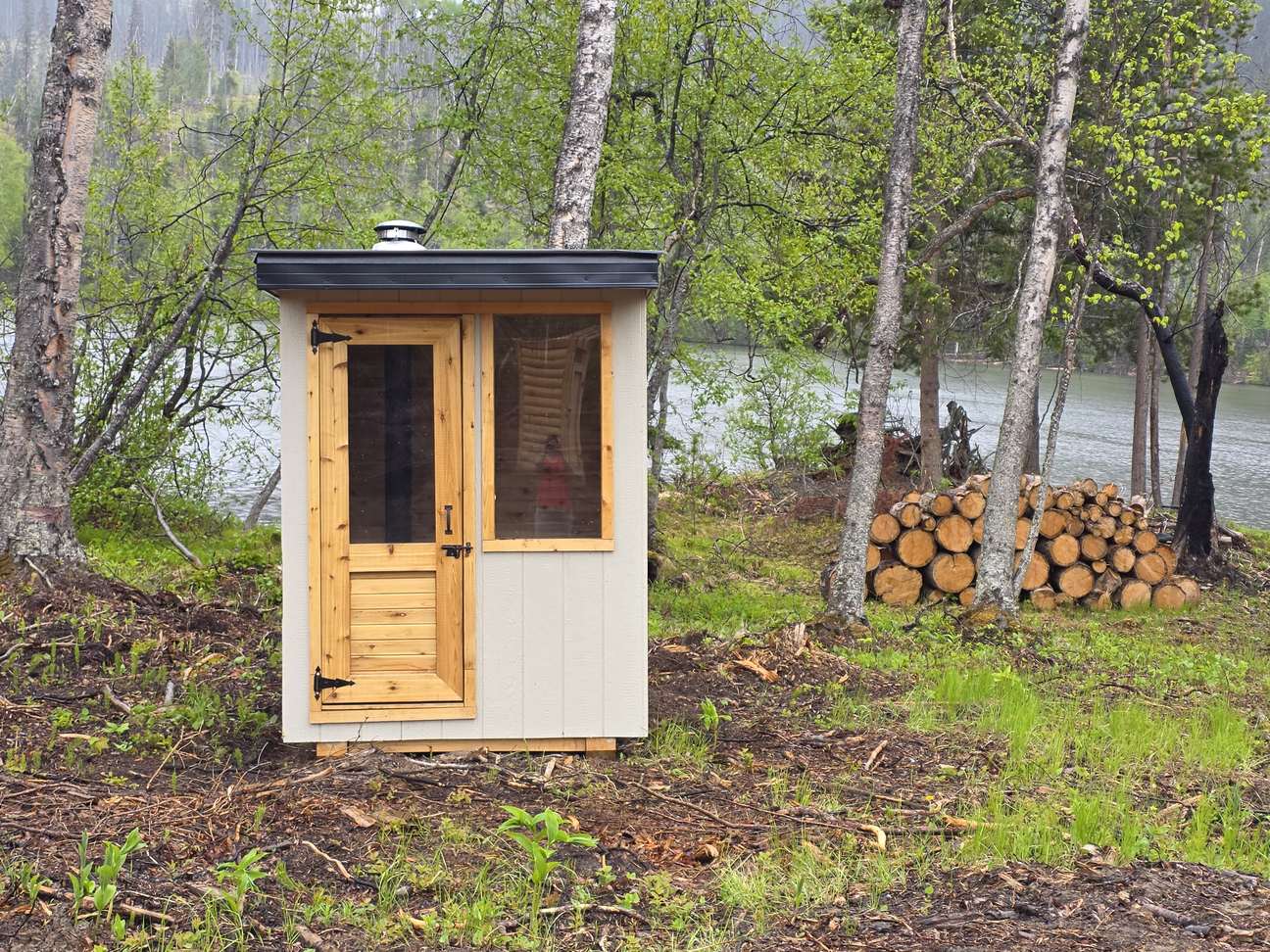
A small wooden sauna hut with a cedar door and a black roof, steam rising from its chimney, among birch and spruce trees.
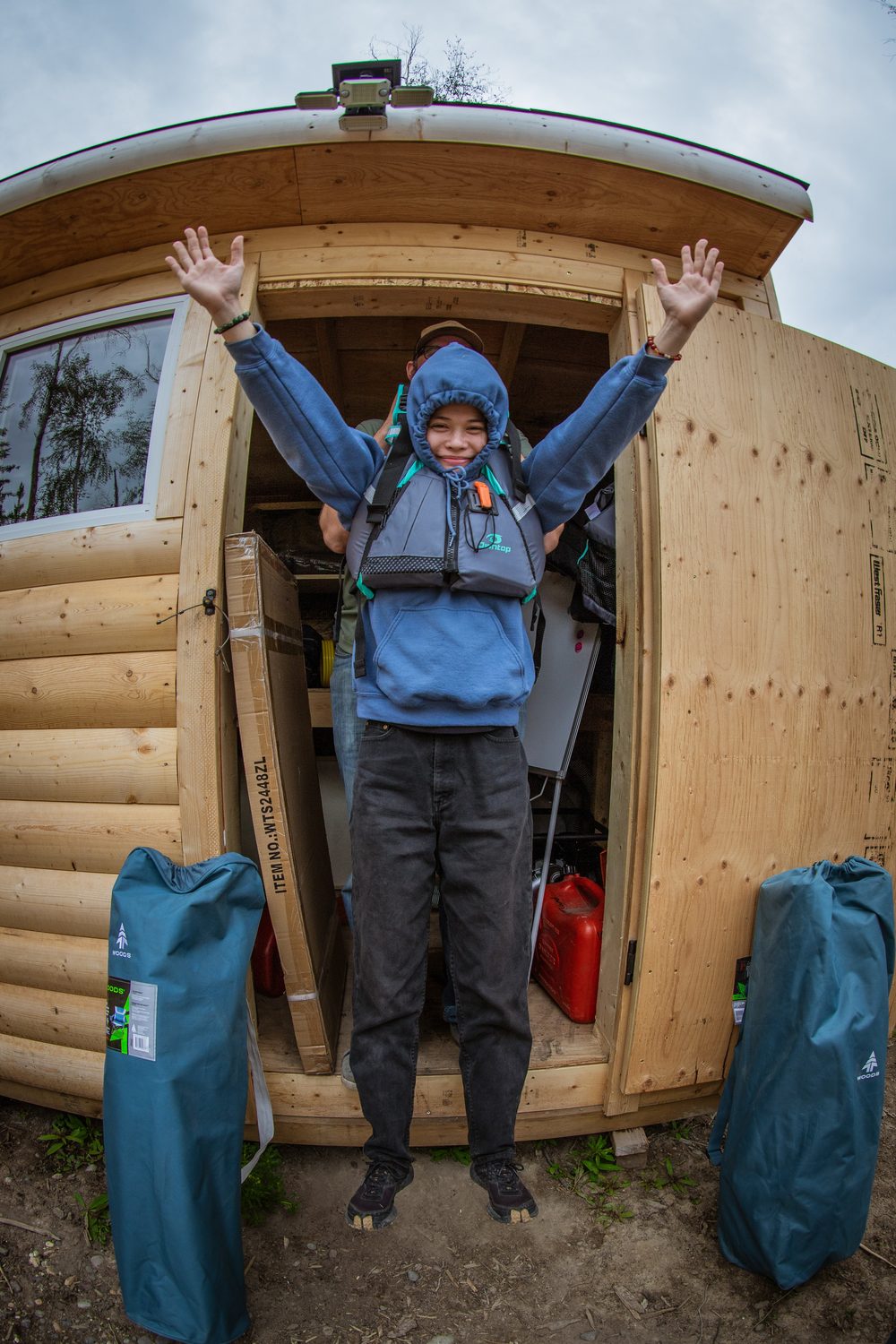
A person in a blue jacket and life vest stands in the open doorway of a small log sauna hut with both arms raised.

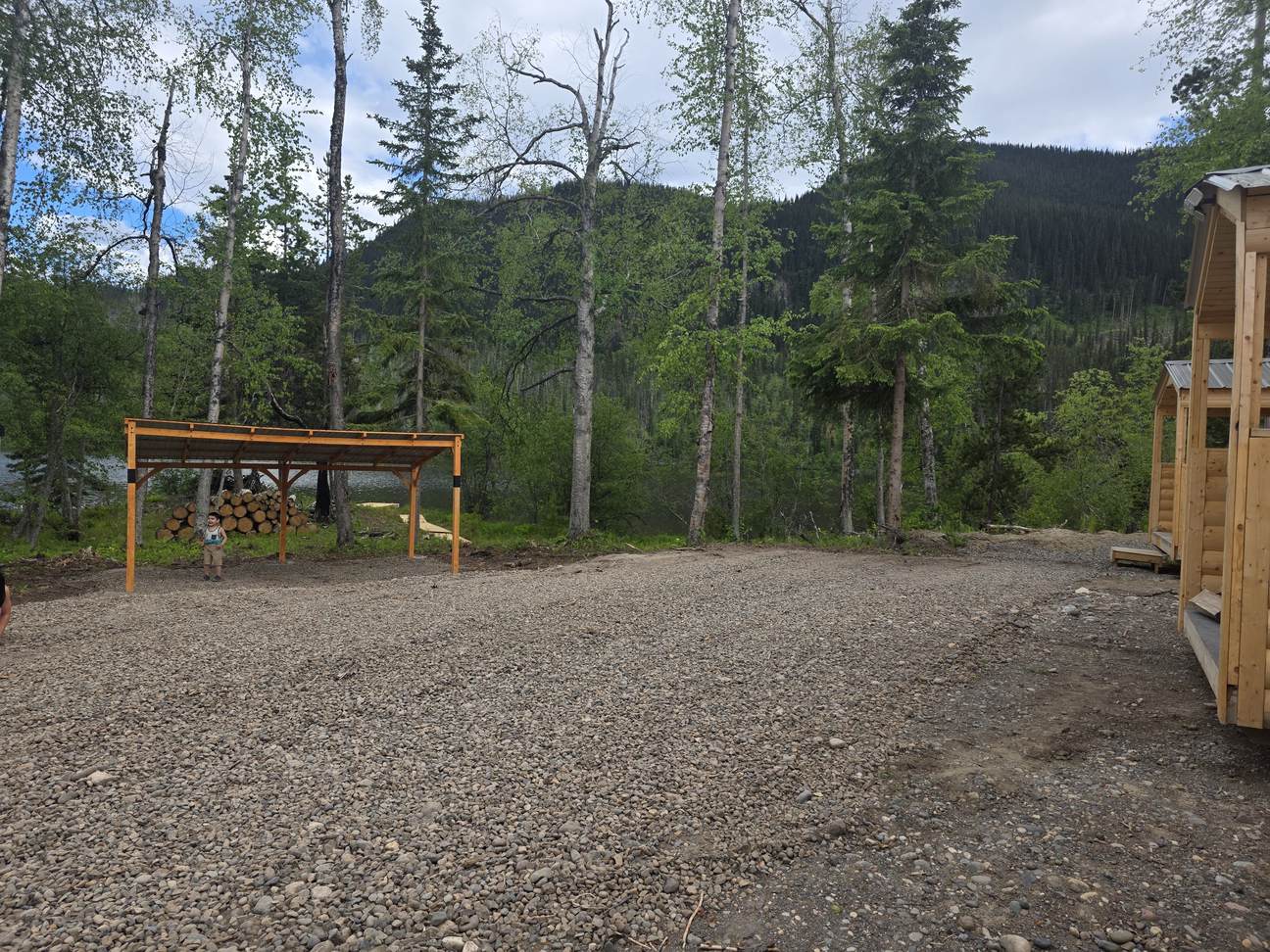
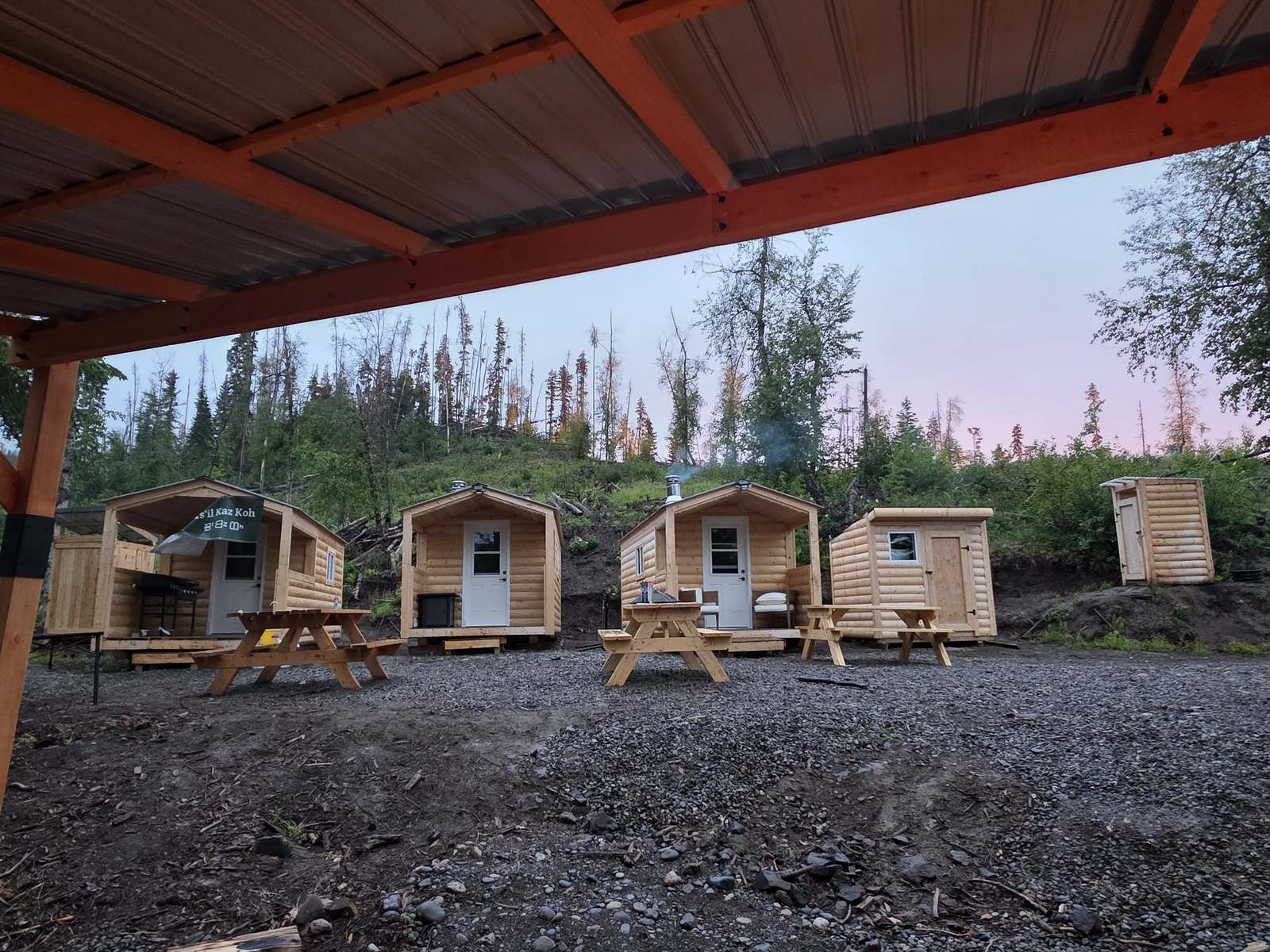
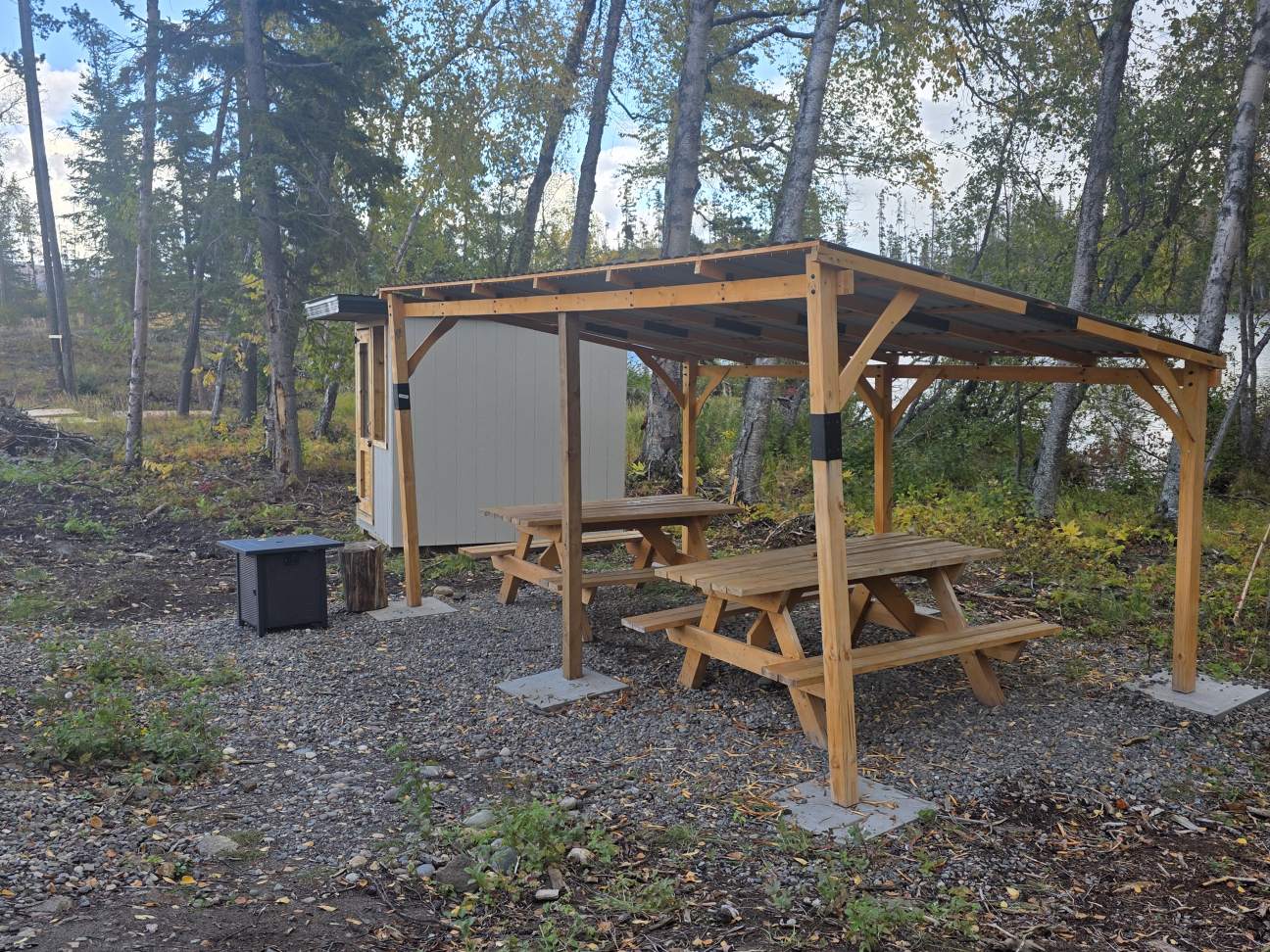
One example is the work completed at Cliff Lake Camp. Throughout the summer, significant effort went into preparing and maintaining the camp so it could continue to be used by community groups and members. Gravel was hauled and levelled to improve access, the gazebo was assembled and installed, equipment and supplies were transported and organized, and the camp's water system was maintained.

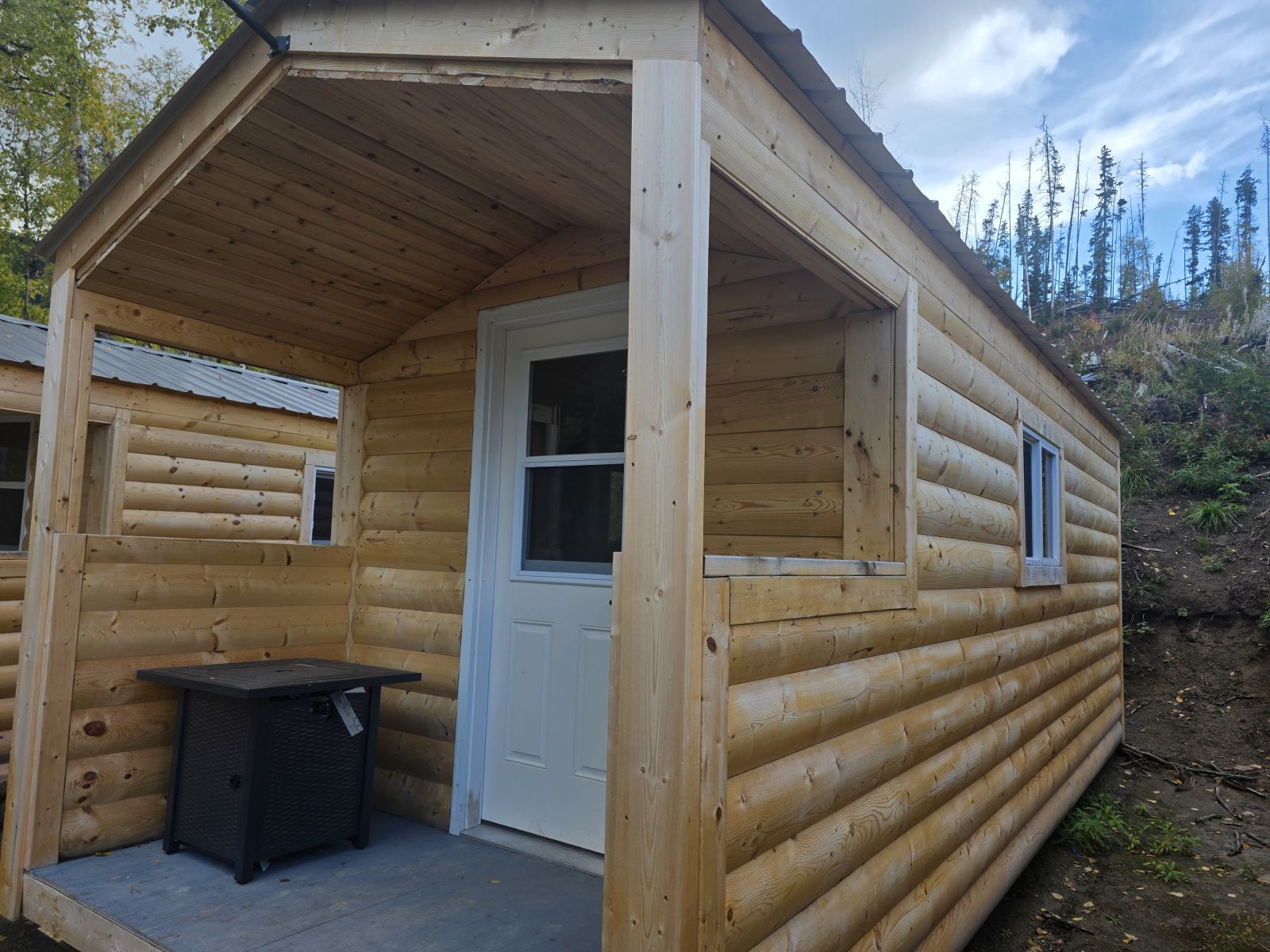
Improvements were also made to support safety and longer-term use, including new solar lighting on cabins and the installation of fire extinguishers in the cabins and cook house.

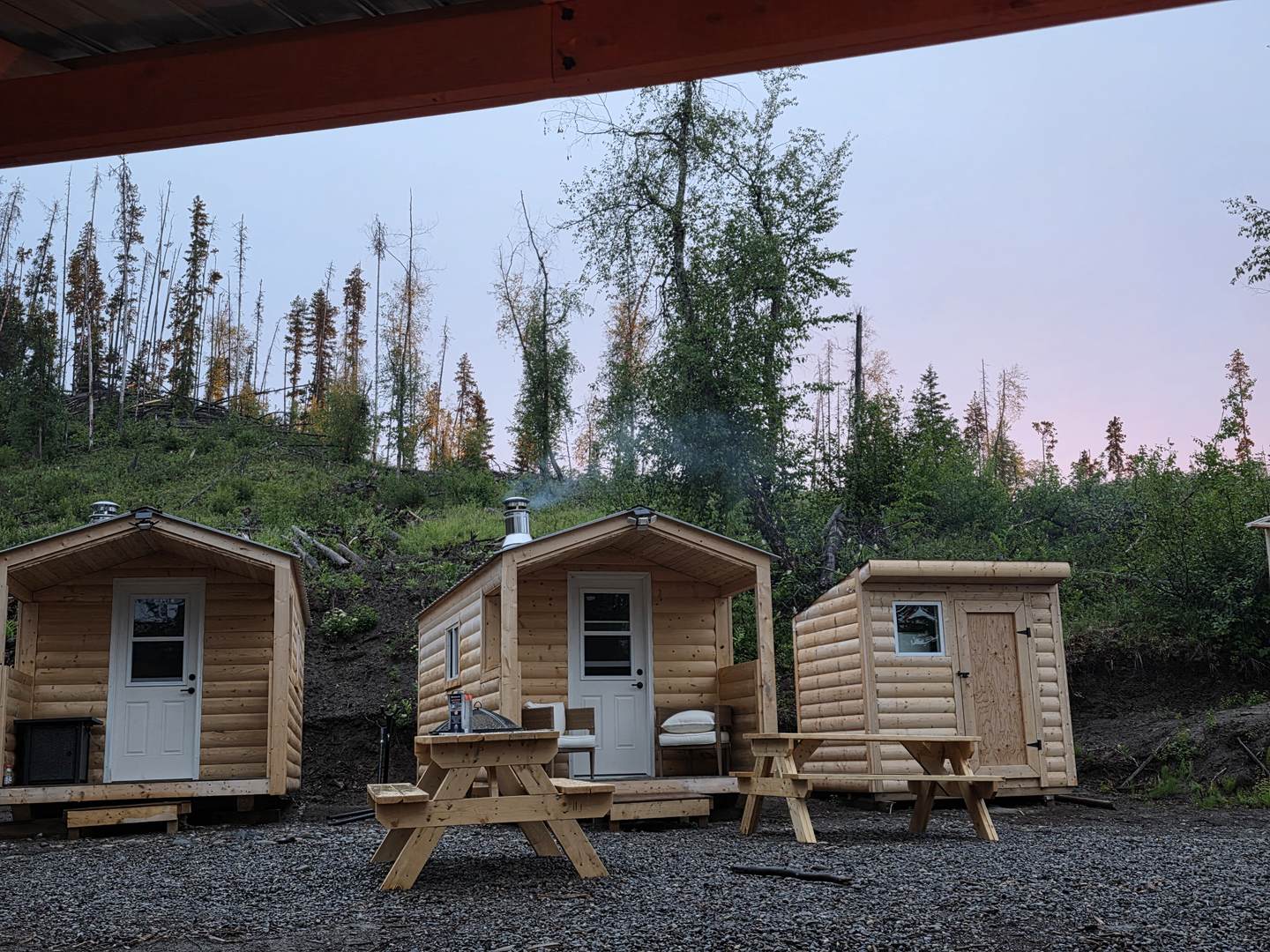
Three small log cabins and a picnic table on gravel at dusk, with burned trees on the slope behind.
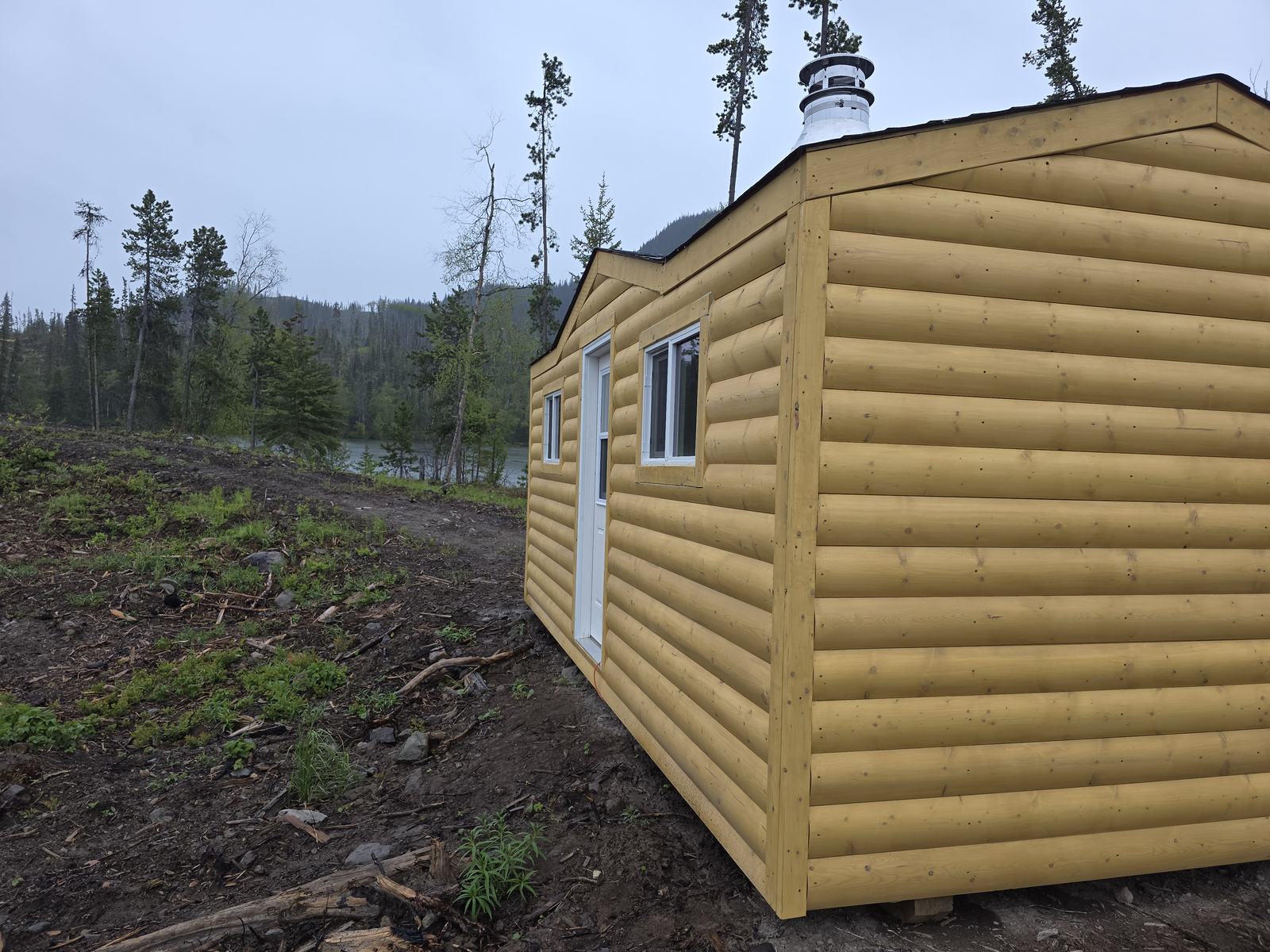
A new cabin clad in yellow log-style siding stands on a cleared site beside the lake, with a small chimney on the roof.
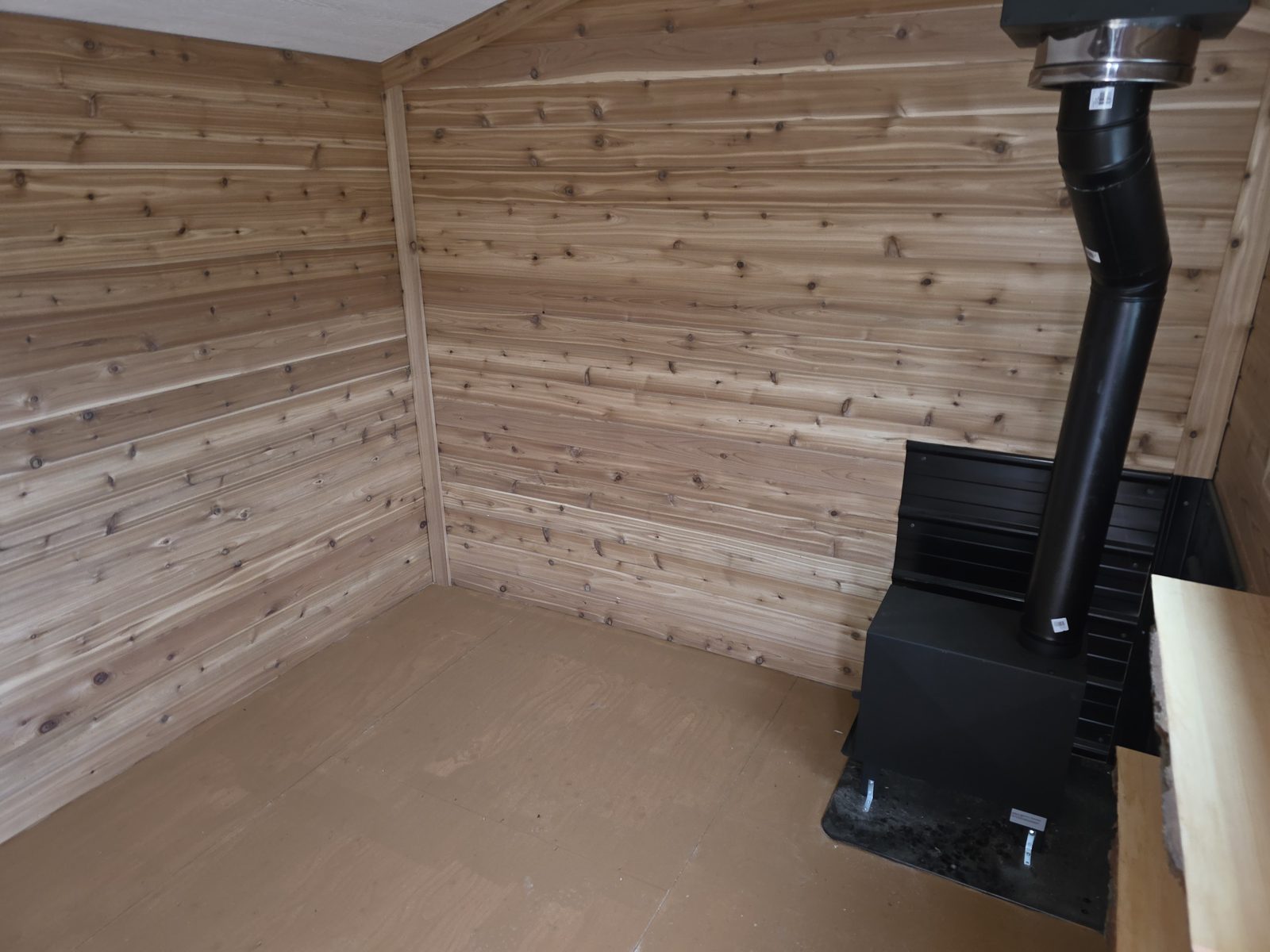
A cedar-lined cabin interior with a black wood stove and its stove pipe in one corner.
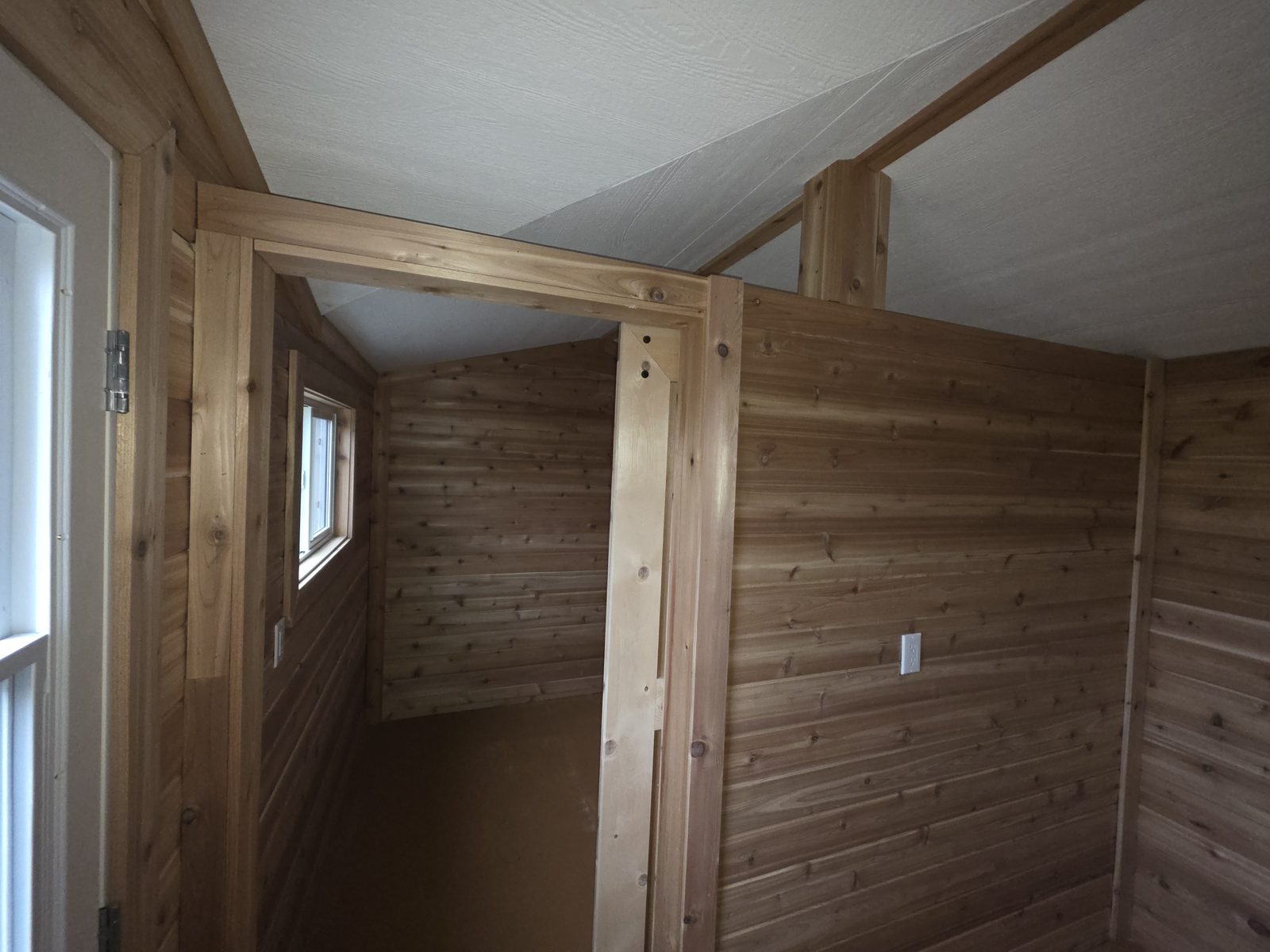
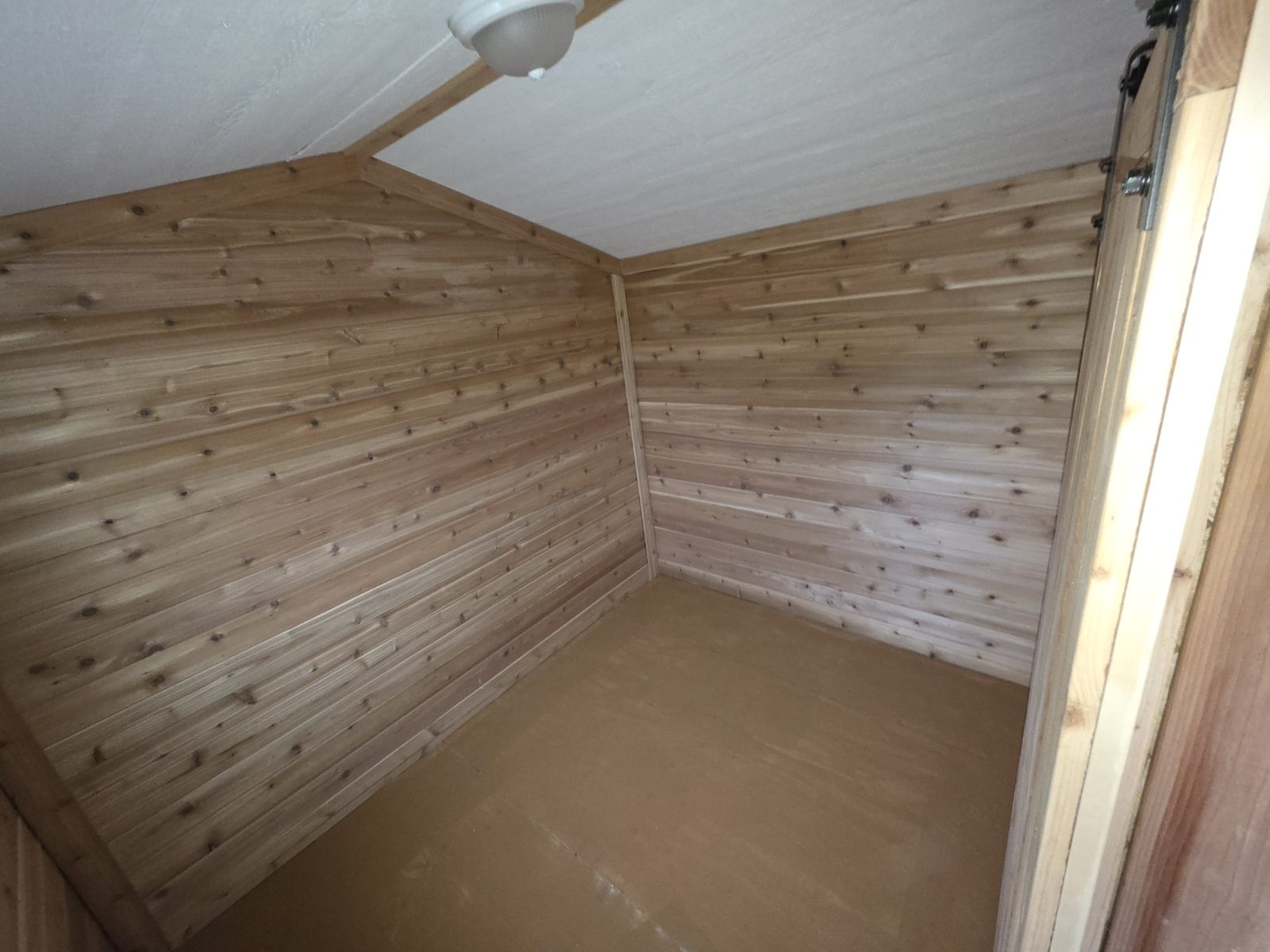
More photos 12New cabins and the sauna hut at Cliff Lake Camp · Inside and around the new cabins at Cliff Lake Camp
A cedar-lined cabin interior with a window, a beam and a partition doorway.
A small empty cedar-lined room with a ceiling light and an open door.
A small sauna hut with a wooden door and a window stands among birch trees, with stacked firewood and the lake behind.
A gravel yard with a wooden shelter frame and a cabin at the right edge, with forested hills behind.
Four small cabins with picnic tables under the edge of a steel roof, with a hillside behind.
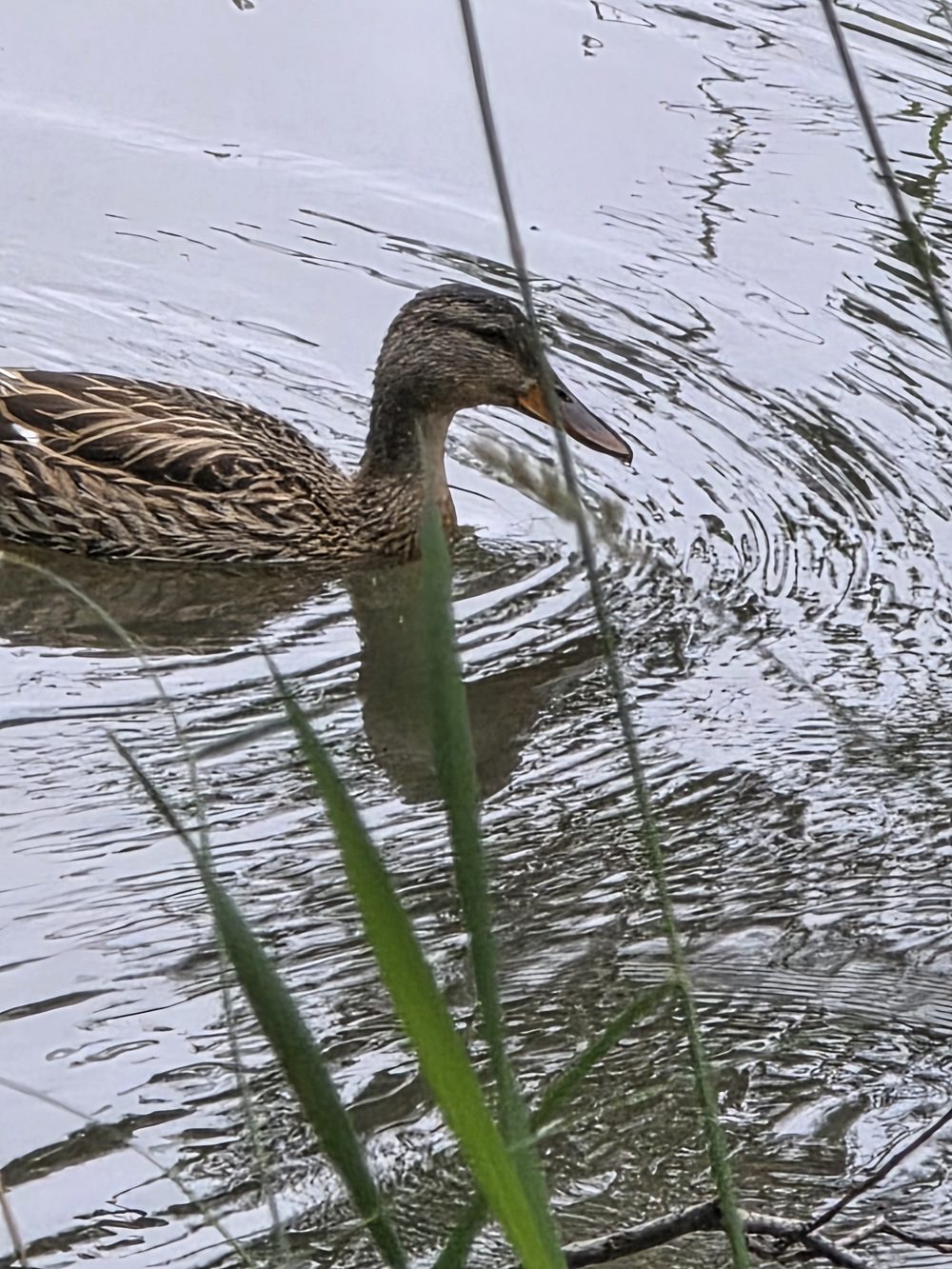
A duck swims among reeds at the edge of a lake.
A new log cabin with a covered porch, a white door and a black table, with spruce trees and a blue sky behind.
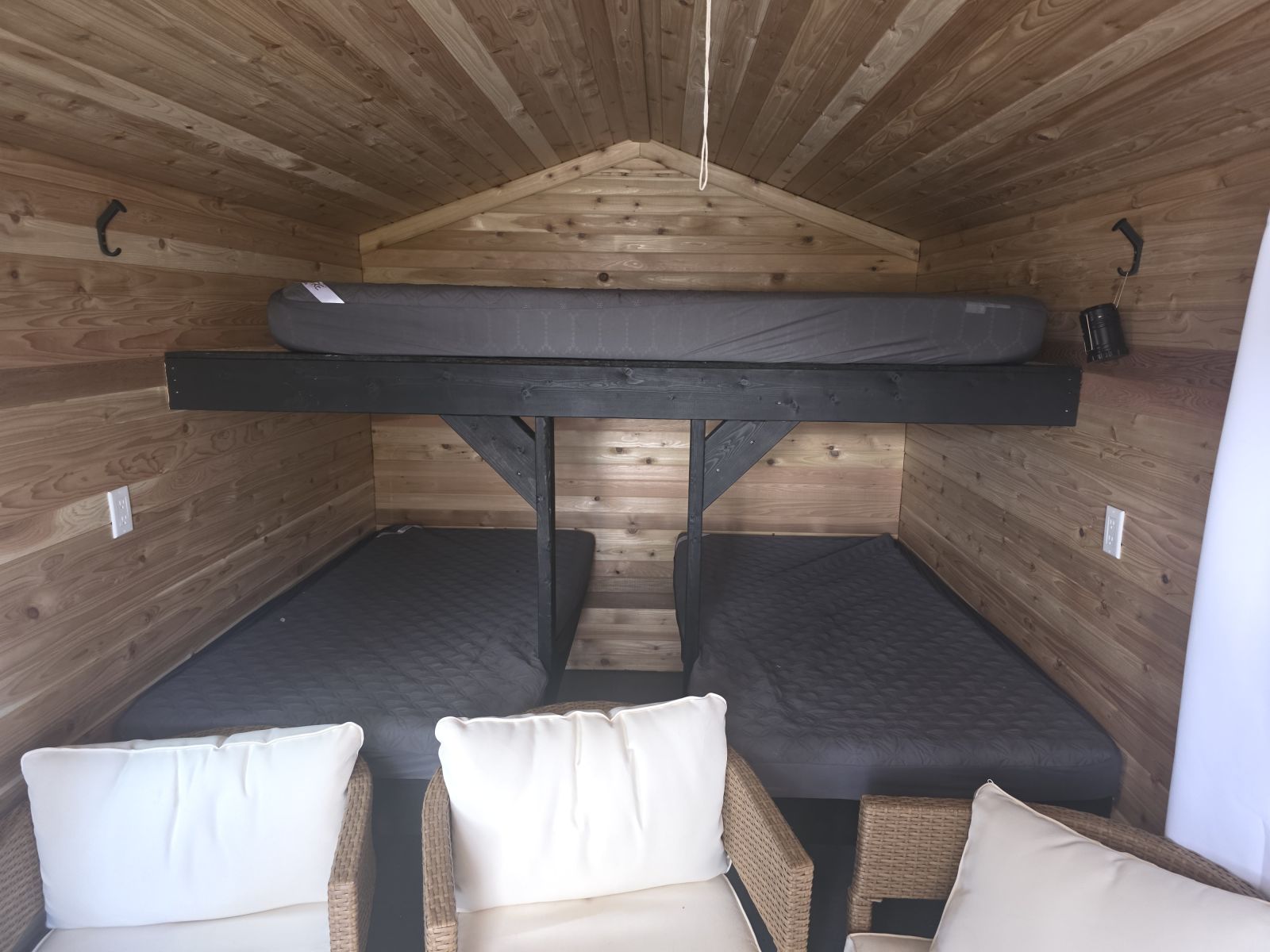
Inside a cabin with wood-lined walls and ceiling: a bunk bed with dark mattresses and two white cushioned seats.
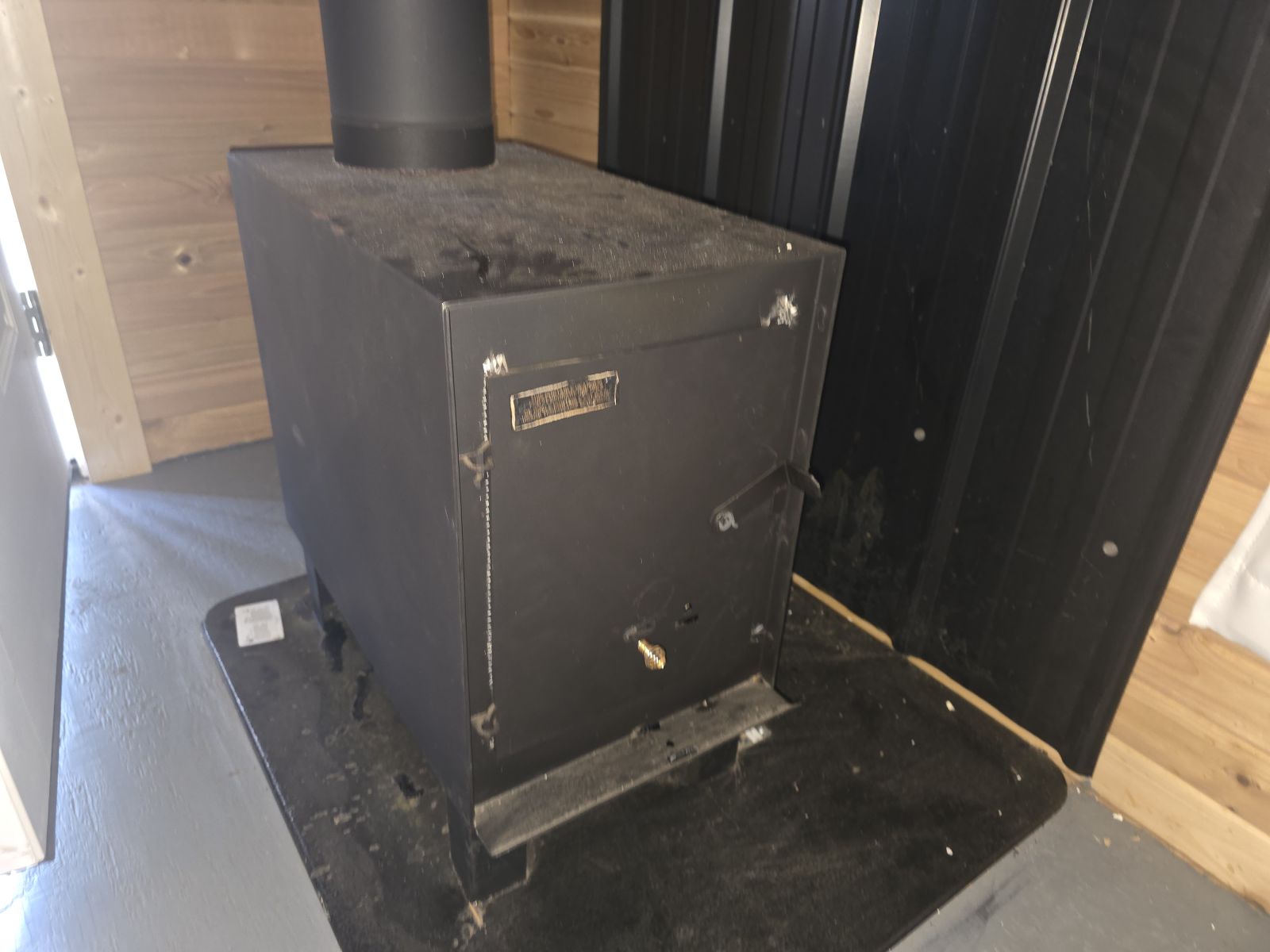
A black wood stove with its stovepipe stands on a dark hearth pad in a cabin, beside a black wall panel and pine-coloured boards.
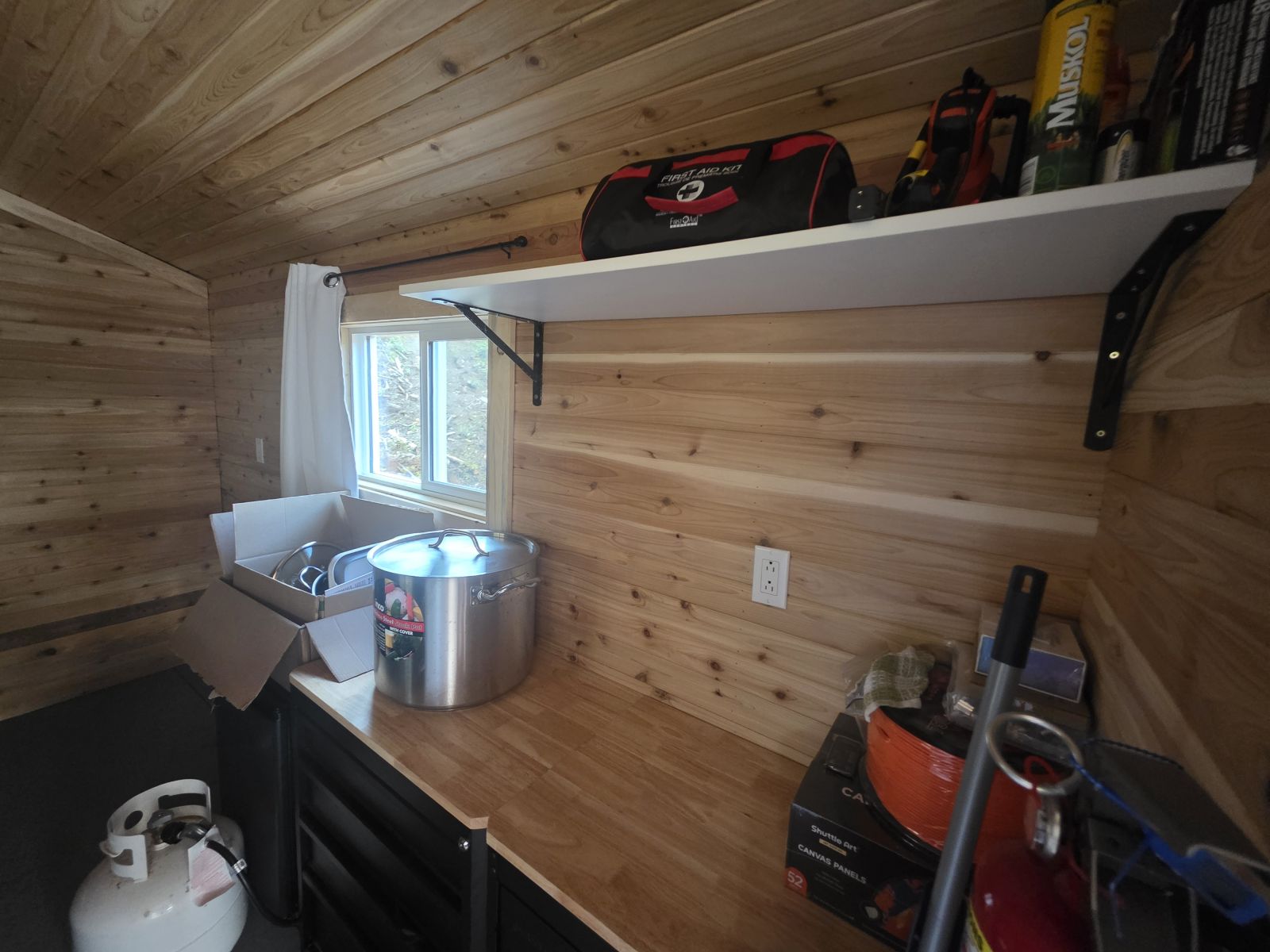
A cabin kitchen corner with a window, a counter, a large steel stock pot, a shelf above and a propane tank on the floor.
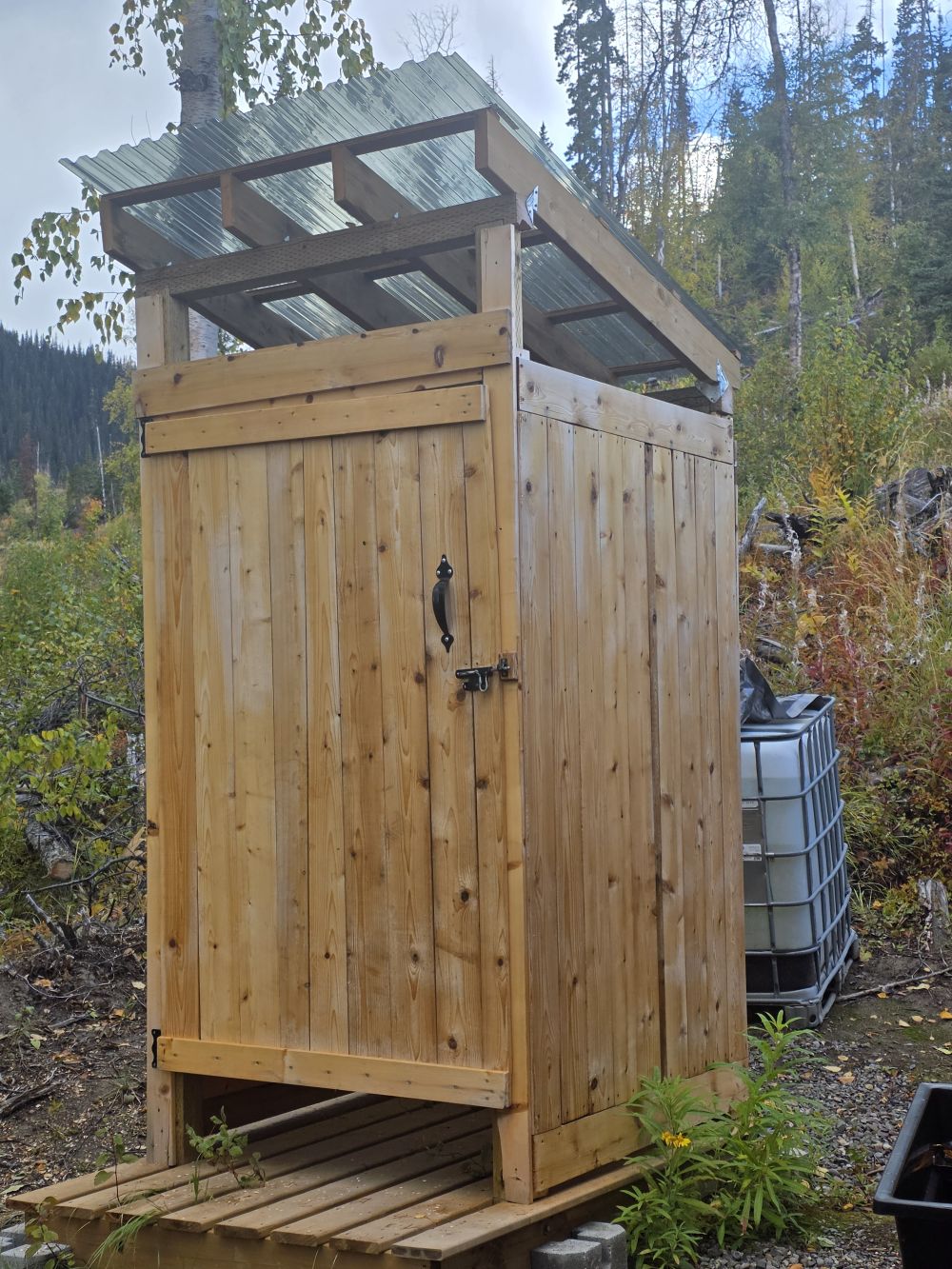
A tall wooden shower hut with a plank door and a slatted top, standing on a wooden floor among trees.
An open-sided wooden shelter with two picnic tables under its roof, among trees.

This work complements the broader investment Ts’il Kaz Koh is making in Cliff Lake as a place where young people, families and community members can spend time together and strengthen their connection to the land.

At the same time, our Natural Resources team and Guardians continue important stewardship work throughout our territory.

There are currently 10 active projects overlapping Ts’il Kaz Koh territory in which the Nation is participating. This work gives Ts’il Kaz Koh an opportunity to bring our knowledge, priorities and responsibilities into decisions that can have long-term consequences for our lands and resources.

An important example is the Ts’il Kaz Koh Watershed Health Assessment.

Our Guardians have begun surveys in the Sauls Creek watershed and have undertaken Forest Range and Evaluation Program work at several sites within our territory. This work is helping establish baseline information needed to better understand the cumulative effects of development.

The work will continue, with additional watershed assessments anticipated in areas including Decker Creek, Sauls Creek and Sheraton Creek.

This is about much more than collecting information. It is about developing the knowledge, skills and capacity within our Nation to understand what is happening on our lands and to participate meaningfully in the decisions that affect them.

How this builds Our Nation. Our Future.

Nation building happens in many different ways.

It happens when we create opportunities for our young people. It happens when we strengthen our language and culture. It happens when we pursue economic opportunities and prepare members for jobs.

And it also happens when we take responsibility for our lands, our community assets and the places that connect our people.

The work underway today -- maintaining Cliff Lake, strengthening our Guardians program, gathering environmental information and participating in resource decisions -- is helping Ts’il Kaz Koh build the capacity required to exercise greater stewardship over our territory.

As that capacity grows, so does our ability to ensure that decisions about our lands reflect Ts’il Kaz Koh knowledge, values and priorities.

That is an important part of building a stronger, more self-reliant Nation for the generations that follow us.

Chapter 7

Knowing and Protecting our Territory

Building Our Capacity for Stewardship

Our lands have sustained our people for generations.

Protecting those lands for the generations that follow requires more than responding to projects as they arise. It means developing the knowledge, people and capacity within our own Nation to understand what is happening across our territory and to play a meaningful role in the decisions that affect it.

That work is continuing to grow.

Ts’il Kaz Koh is currently participating in 10 active projects that overlap our territory, with seven of those projects identified as particularly active during the current fiscal year.

This includes work involving watersheds, forestry and major industrial development.

An important part of this work is the Ts’il Kaz Koh Watershed Health Assessment.

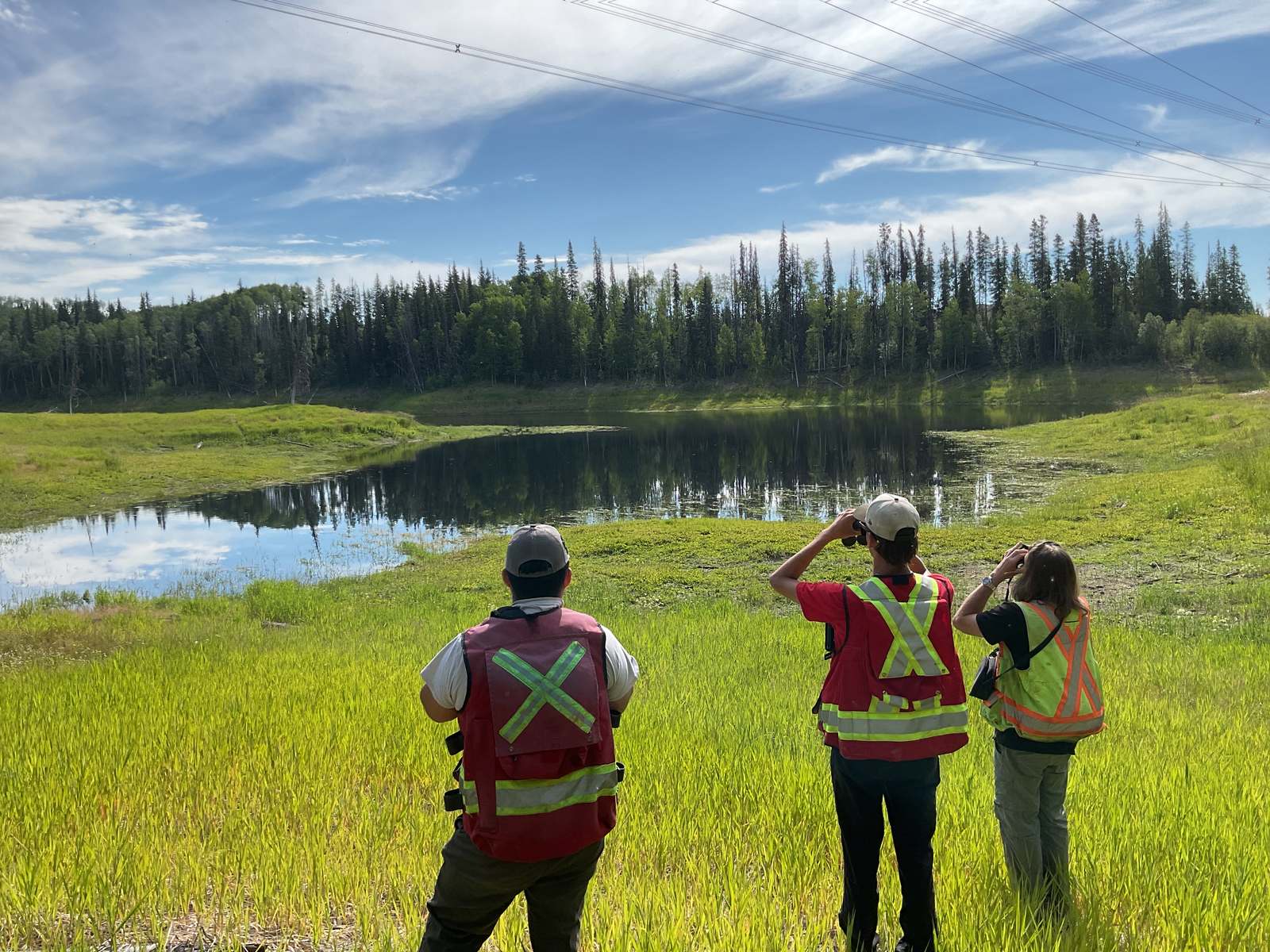
Our Guardians have begun surveying the Sauls Creek watershed and have also undertaken Forest Range and Evaluation Program work at several sites within Ts’il Kaz Koh territory.

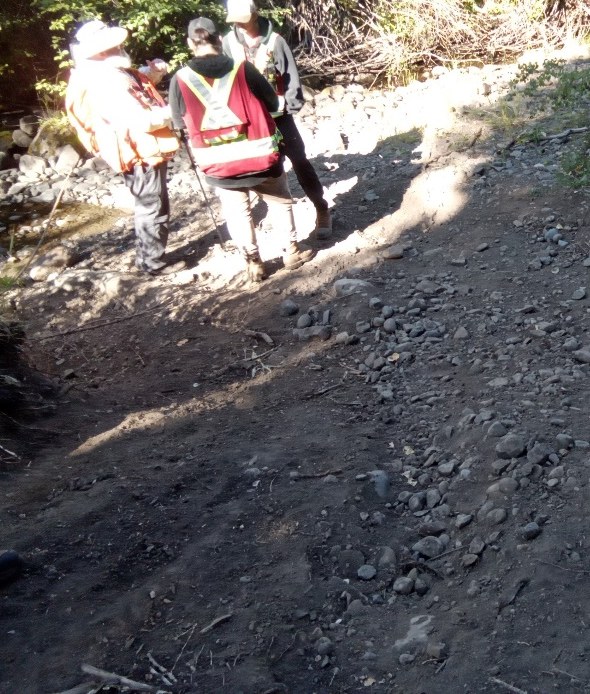
Three Guardians in high-visibility vests, seen from behind, looking across a small pond and green wetland toward spruce forest, with power lines overhead.

The information being gathered will help establish the baseline data needed to better understand the cumulative effects of development on our lands and waters.

This is not a one-time exercise. Over the coming years, the Guardians expect to expand this work into additional watersheds, including Decker Creek, Sauls Creek and Sheraton Creek.

Every survey completed and every piece of information gathered strengthens our ability to understand changes taking place on the land and to bring Ts’il Kaz Koh knowledge and priorities into future decisions.

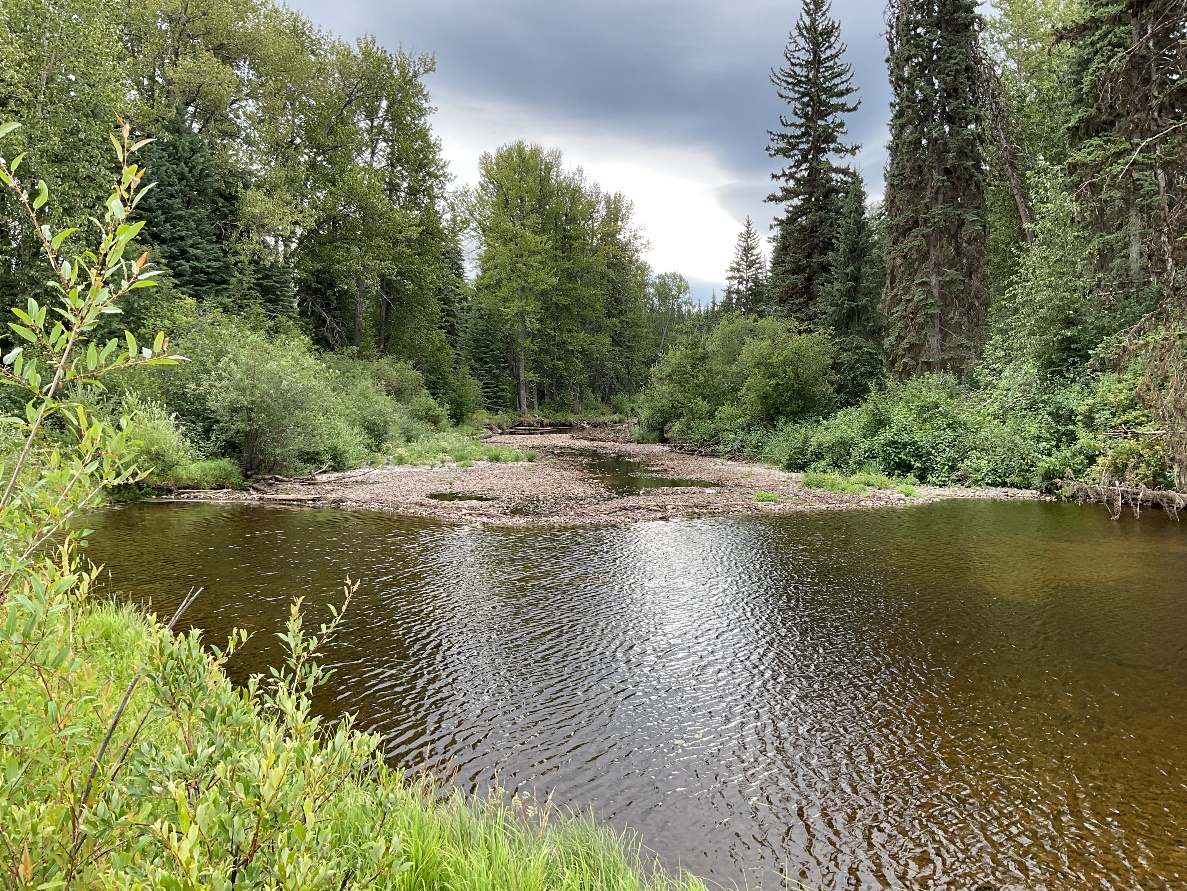
A brown-water creek with a gravel bar, framed by green willows, poplar and spruce under a cloudy sky.

Our Natural Resources team is also involved in monitoring and participating in discussions involving major projects within our territory.

That includes the Coastal GasLink Segundo Compressor Station, where construction is underway and activity is expected to increase in the next fiscal year.

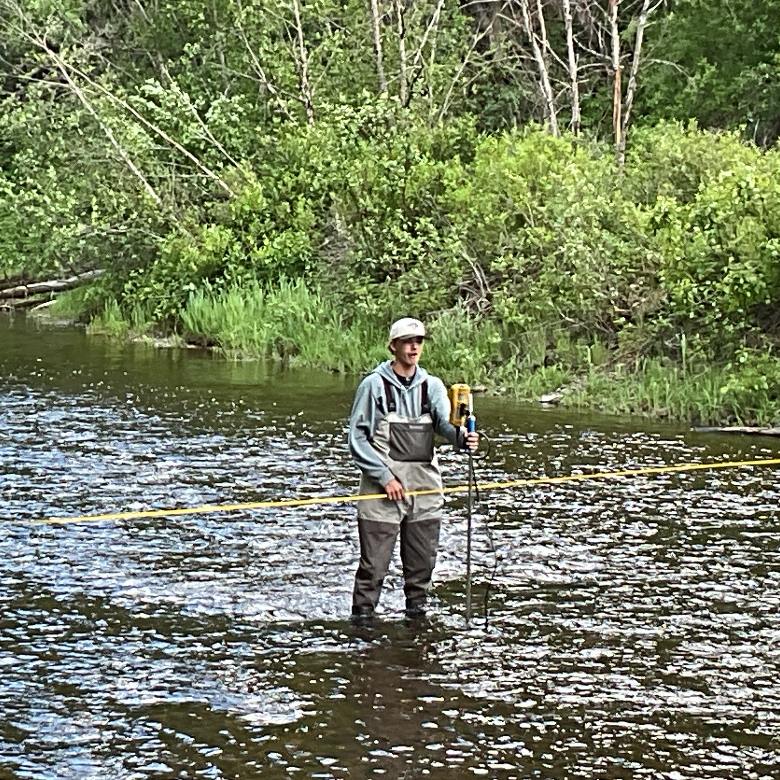
A person in chest waders stands in a shallow river holding a survey pole, with a yellow measuring tape stretched across the water.
Four people in high-visibility vests walk single file along a gravel creek bed toward willow thickets.
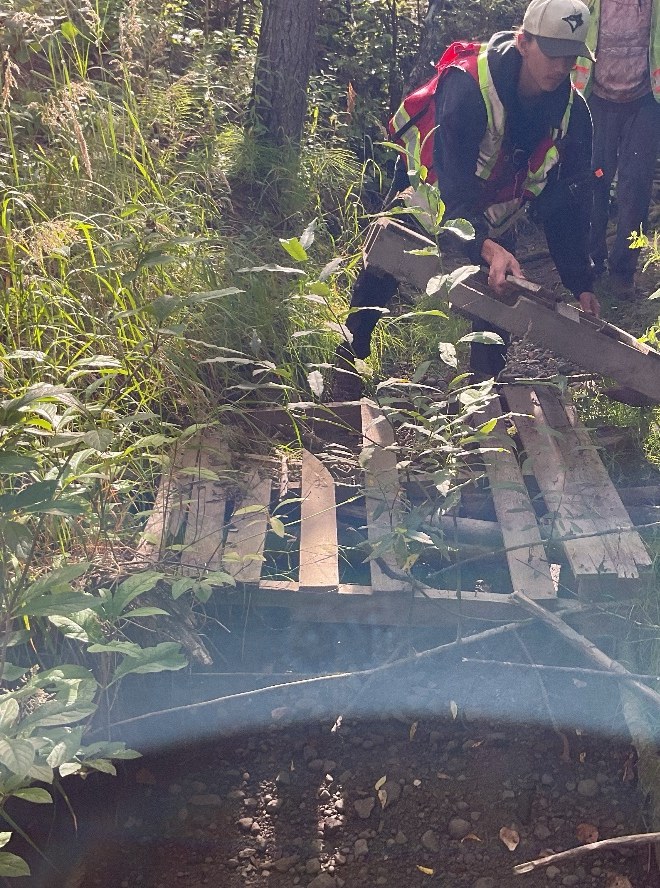
A Guardian in a red vest lifts a board out of a creek bed while another crouches beside, with sun flare across the lower half of the picture.
More photos 3Guardians training and stream assessments
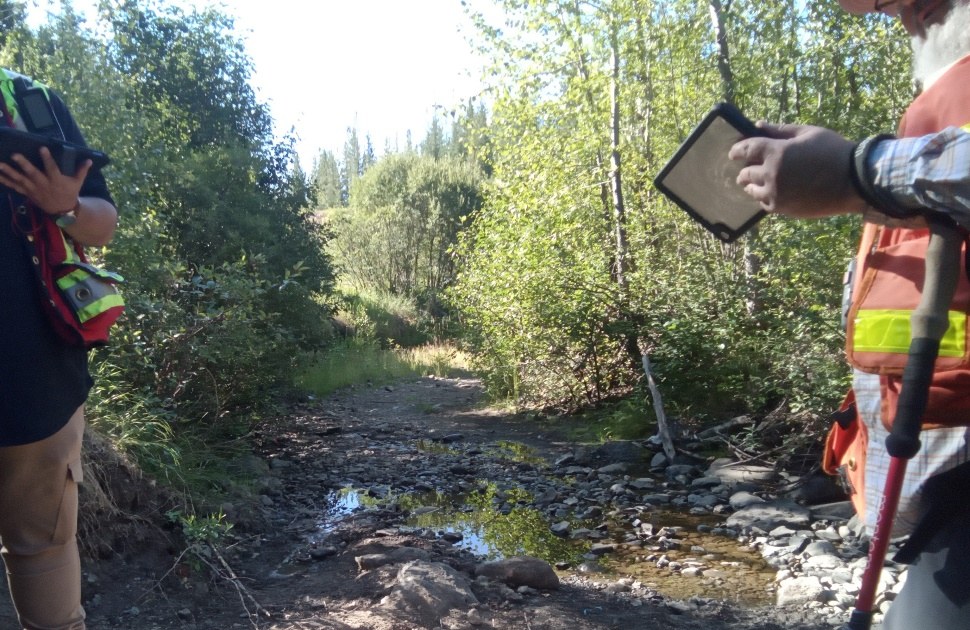
A Guardian holds a tablet beside a dry gravel creek bed, with a second person in an orange vest at the edge of the frame and green shrubs behind.
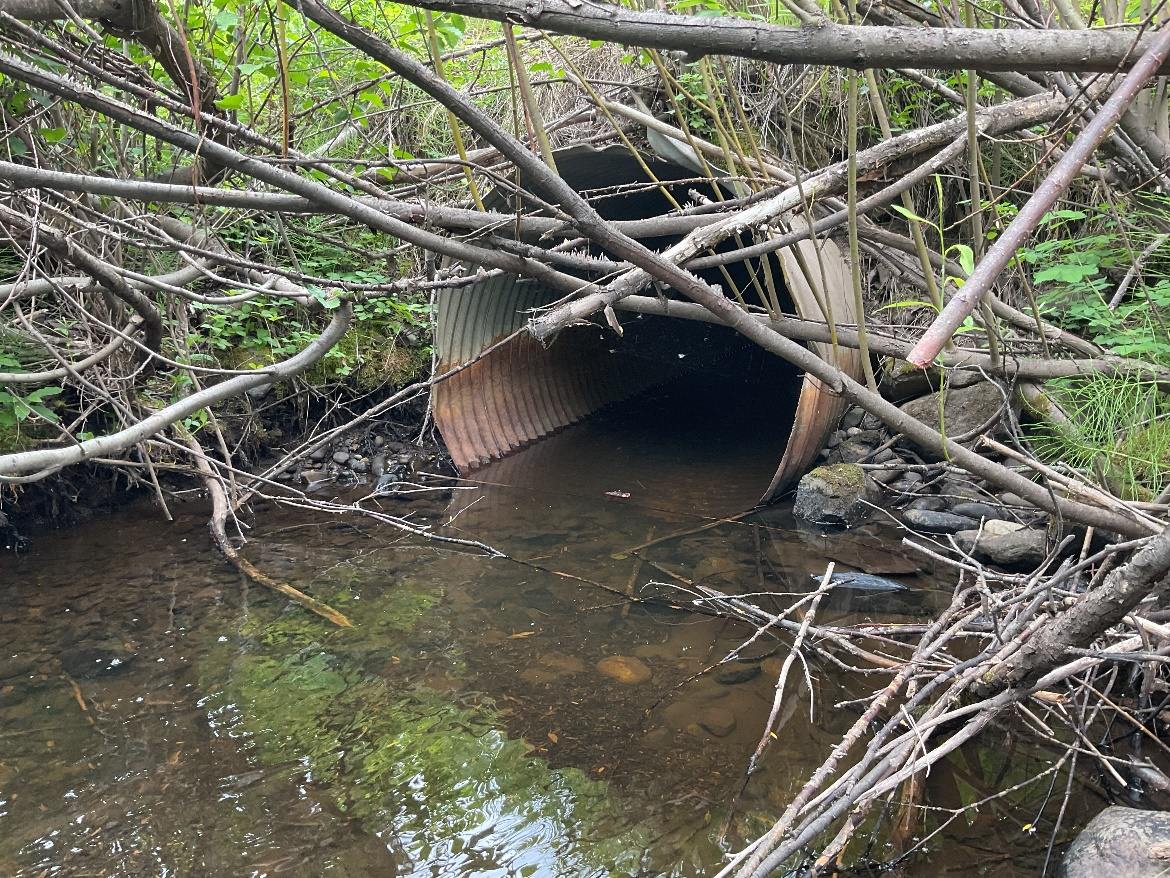
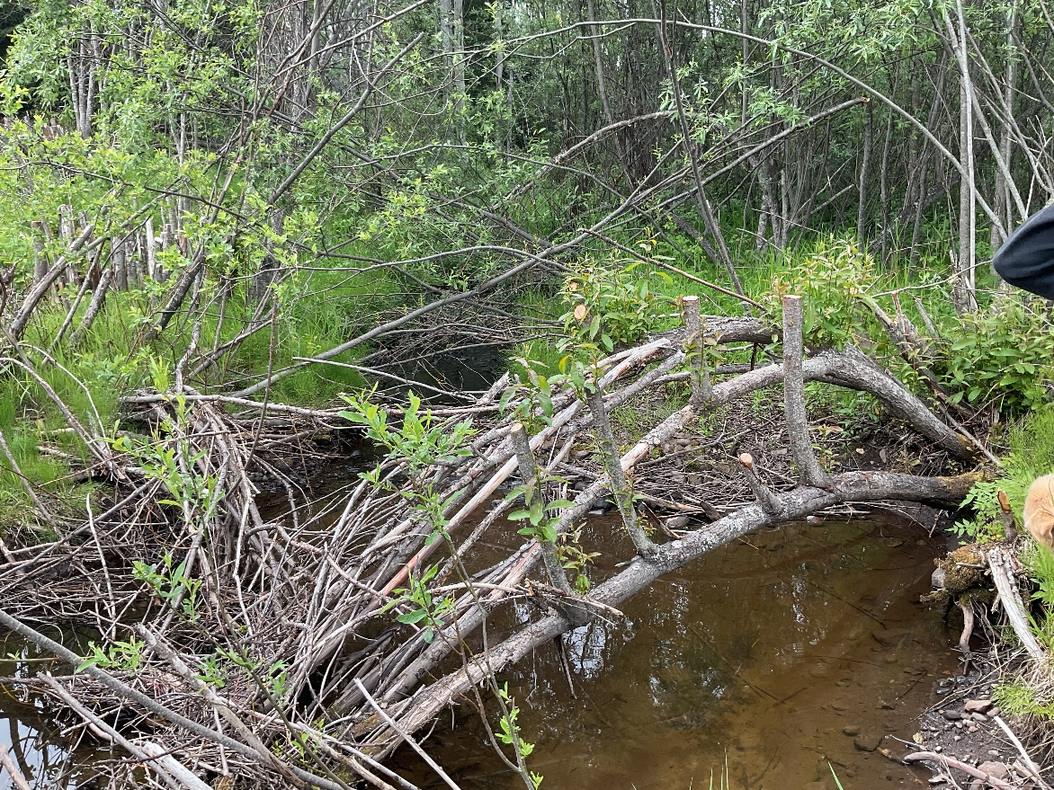
A round steel culvert opening at the edge of a pond, its entrance tangled with beaver-cut branches.
A curved dam of woven branches across a shallow brown pond among willows.

It also includes ongoing work related to forestry and the Lakes Resiliency Project, which has reached an important milestone with the release of its Forest Landscape Plan for public review.

Our involvement in these processes matters. For too long, decisions affecting Indigenous lands and resources were made without Indigenous Nations having the information, capacity or influence they should have had.

Our objective today is to continue building Ts’il Kaz Koh's ability to participate from a position of knowledge, preparedness and strength.

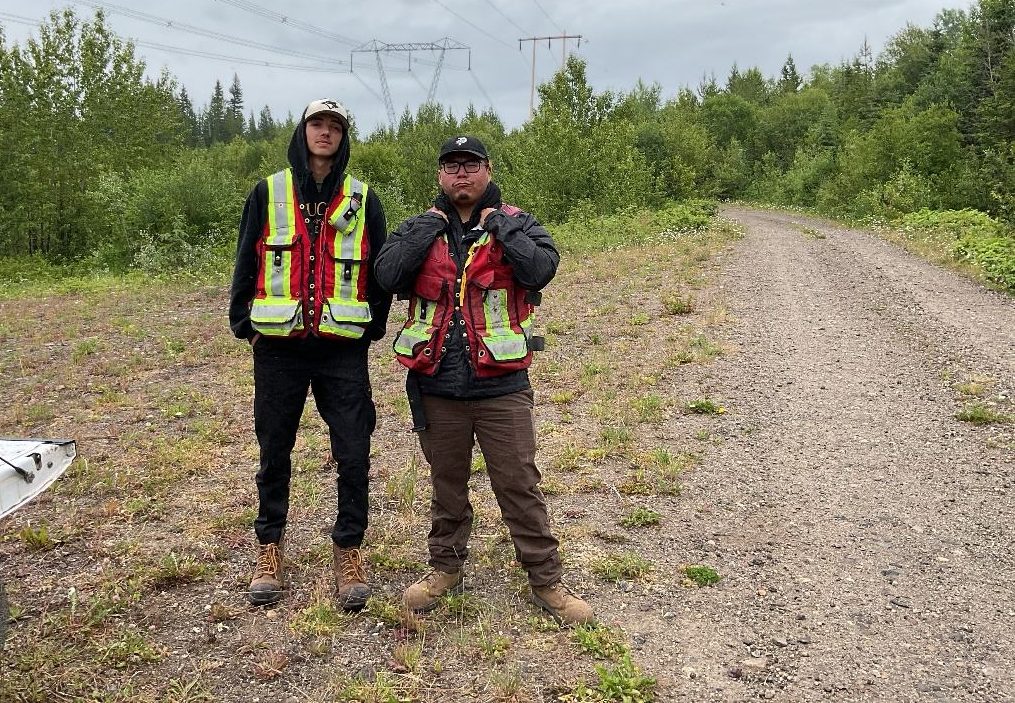
Two Guardians in high-visibility vests stand on a gravel road beside a white truck, with power lines and spruce trees behind them.

How this builds Our Nation. Our Future.

Stewardship is an ongoing responsibility.

The work being done by our Guardians and Natural Resources team is helping Ts’il Kaz Koh develop something that will become increasingly important in the years ahead: our own knowledge base about our territory.

That strengthens our ability to identify concerns, understand cumulative impacts, participate in resource-development decisions and help guide how forests, waters and other resources are managed.

It also creates opportunities to combine technical knowledge with the values and Indigenous perspectives that have guided our people for generations.

As this capacity grows, Ts’il Kaz Koh can take an increasingly active role in decisions about our territory rather than simply reacting to decisions made by others.

Our future depends on strong stewardship of our lands -- and on ensuring Ts’il Kaz Koh has the people, knowledge and capacity to help shape the decisions that affect them.

Chapter 8

Protecting What Matters While Creating Opportunity

Stewardship and Development Must Move Together

Economic opportunity and stewardship should not be presented as opposing choices.

The North Coast Transmission Line materials emphasize environmental and cultural monitoring, Guardians, Cultural Advisors and Indigenous-led restoration.

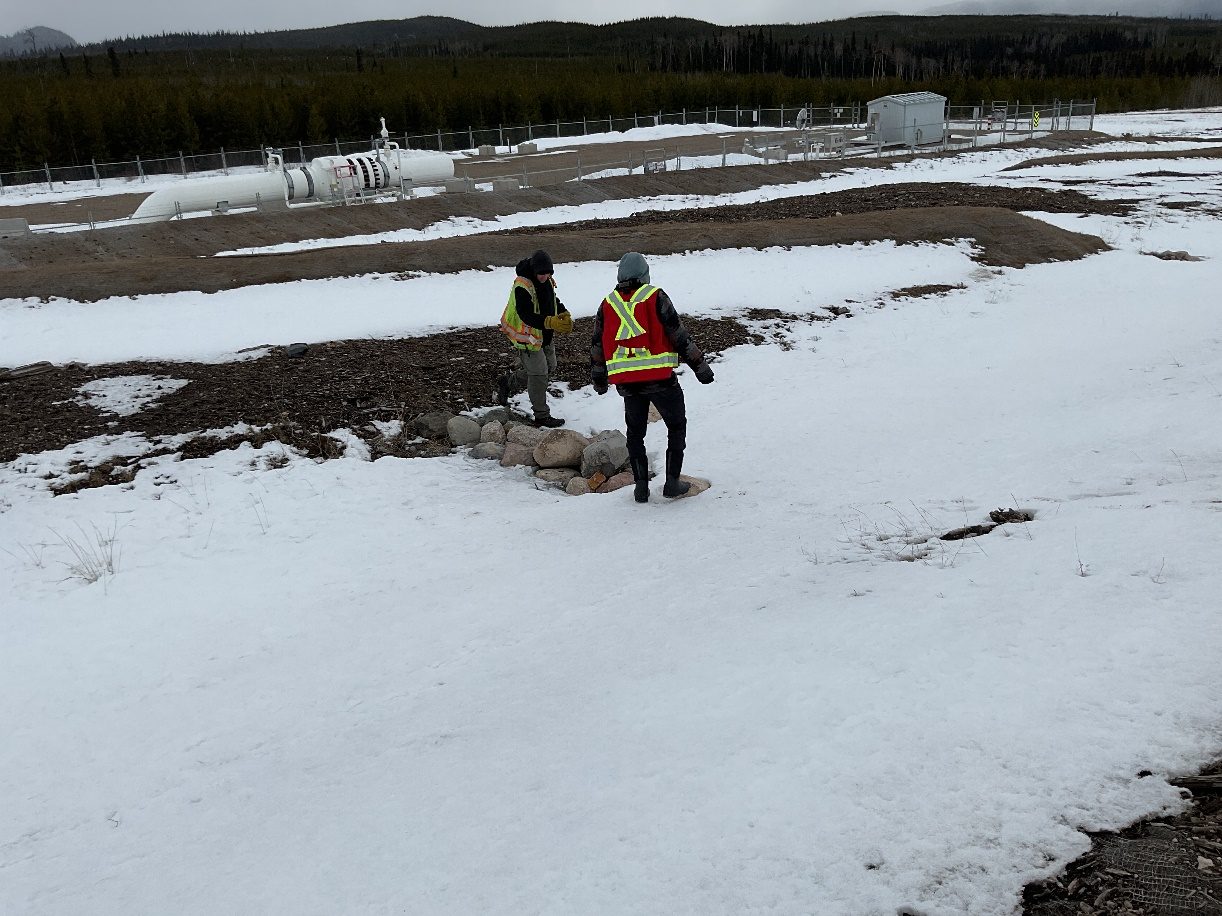
Two Guardians in high-visibility vests walking on snow across a cleared work site, with a white pipe and a fenced yard behind them.

The Spain delegation similarly emphasized that potential employment, training and revenues must be weighed alongside community values and responsibilities to the territory.

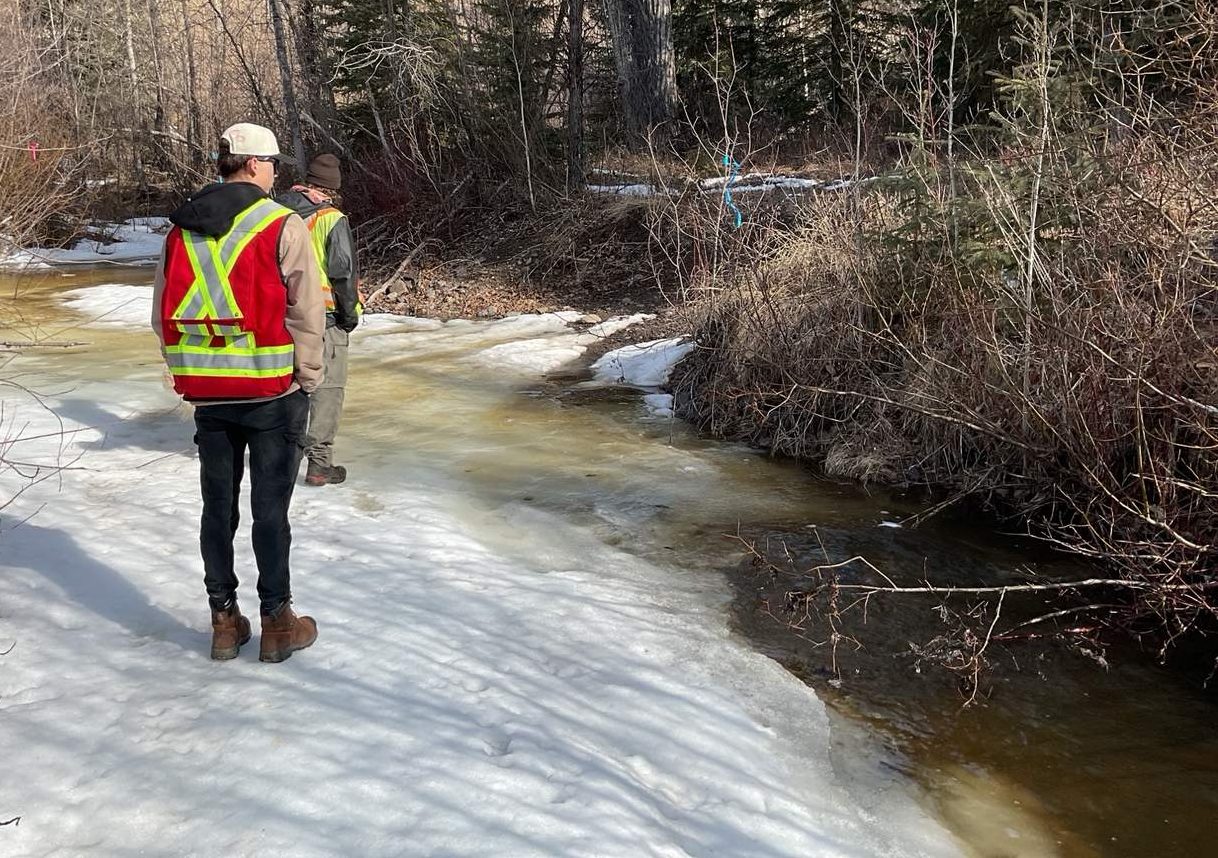
A Guardian in a red-and-orange vest walks along a snowy creek beside spruce forest, with a second person behind.
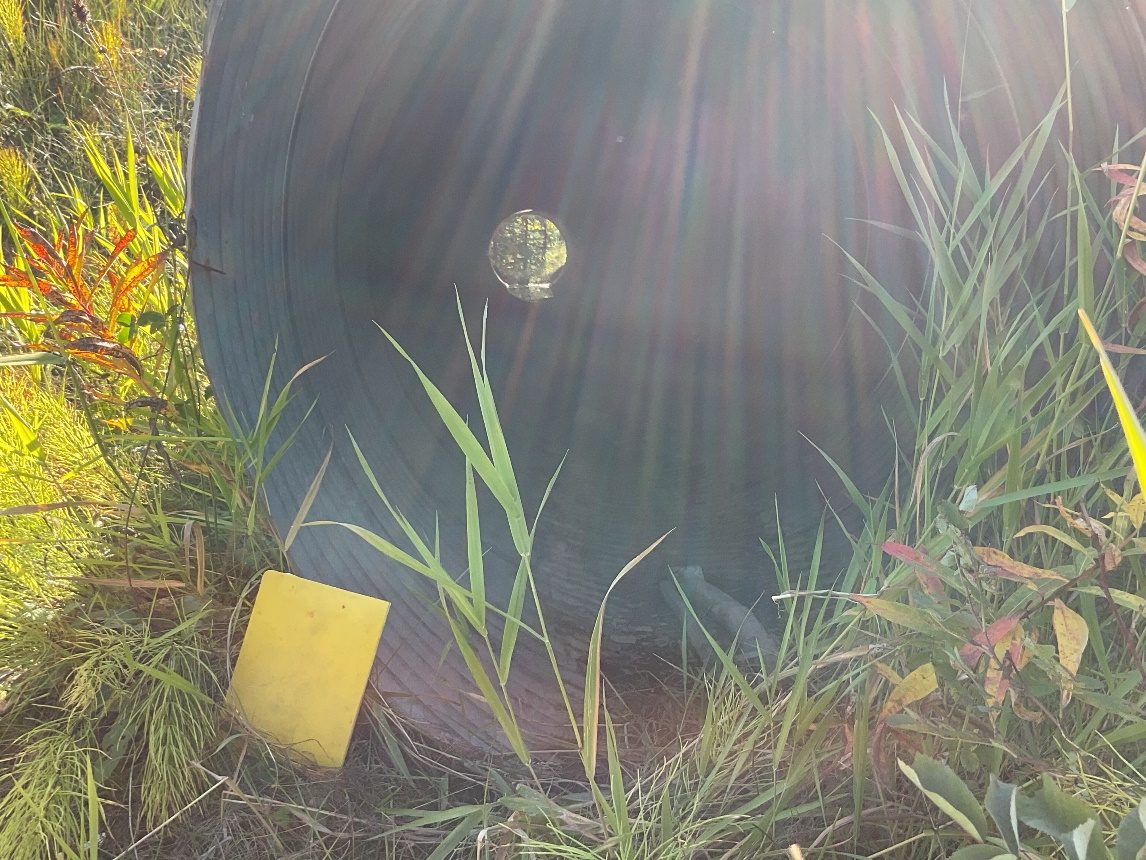
The dark curved wall of a large steel culvert with a yellow marker tag among tall grass and fireweed, with sun flare.
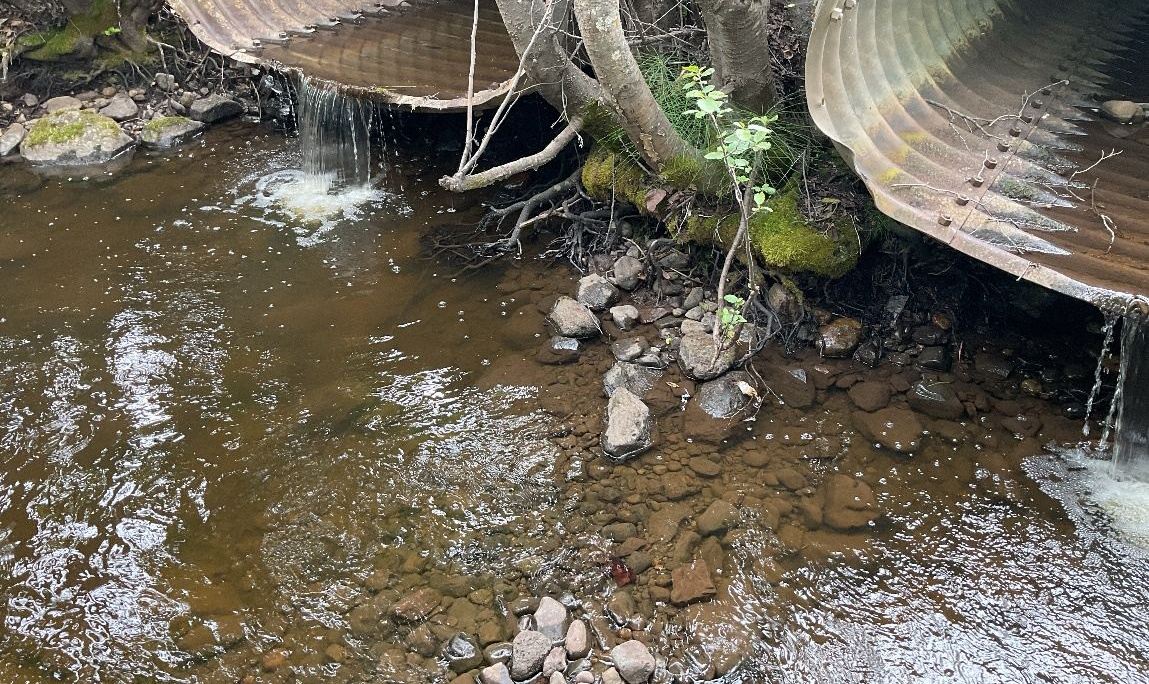
Two corrugated steel culverts discharge water into a rocky brown pool, with alder branches overhead.
More photos 3Monitoring along the transmission corridor
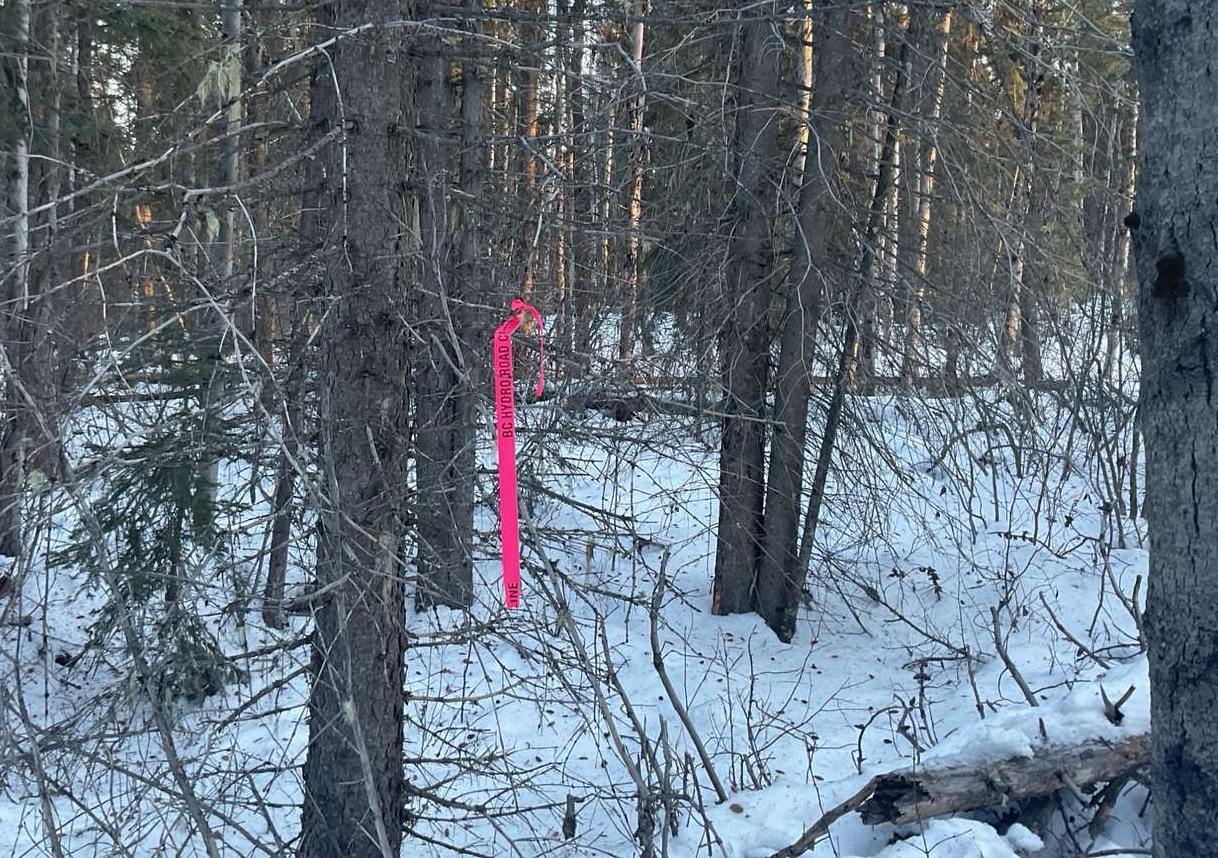
A strip of pink flagging tape hangs from a tree in a snowy spruce forest.
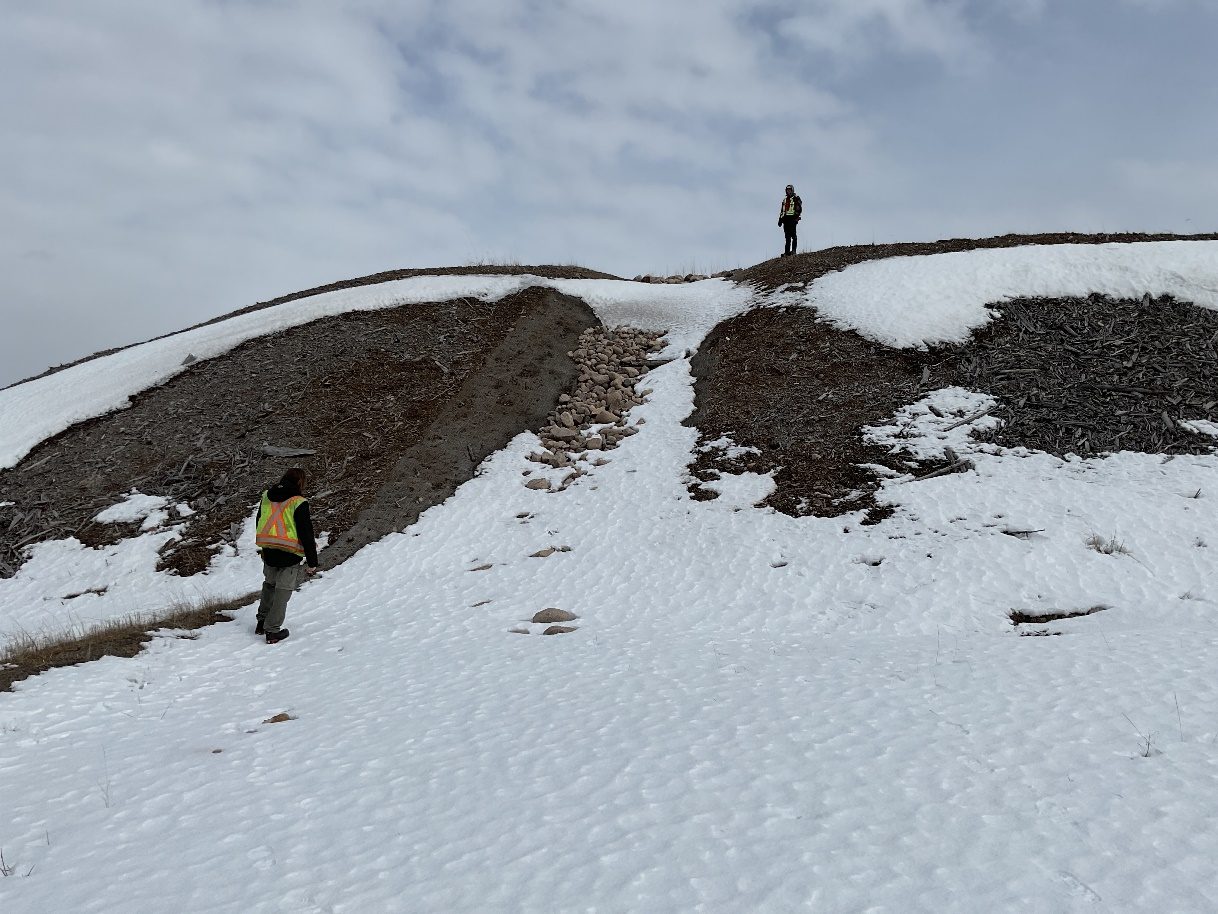
A person stands on top of a snowy gravel mound while another walks up the slope below, under a cloudy sky.
A snow-covered creek bank with fallen branches and bare trees.

And Pathway Forward explicitly connects economic independence with stewardship of lands and resources rather than treating them as separate objectives.

Together, they point toward a broader Ts’il Kaz Koh approach:

Development should not require us to choose between prosperity and protecting what matters.

The Nation's objective should be to exercise greater influence over both.

That means asking difficult questions, understanding environmental and cultural impacts, establishing expectations before projects proceed and ensuring Ts’il Kaz Koh knowledge and values are reflected in decision-making.

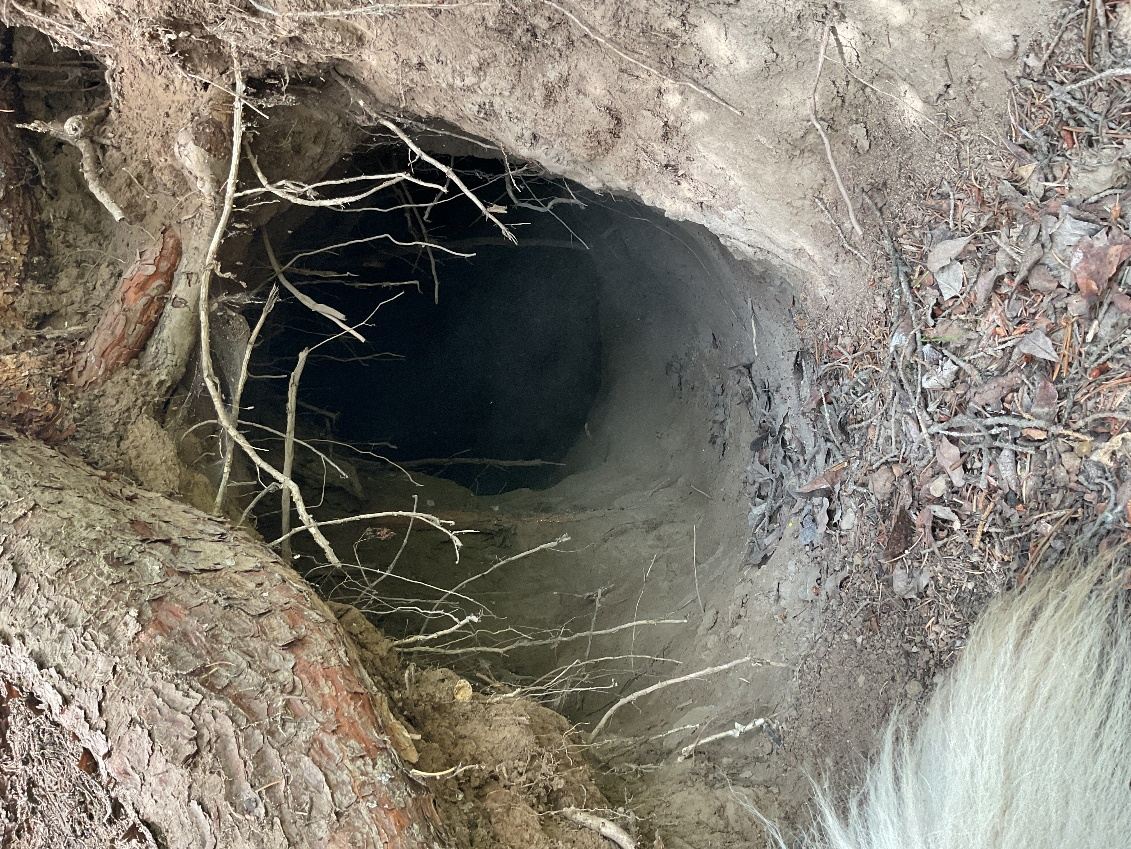
Looking into a dark, round den dug beneath tree roots, with a pale tuft of fur at the edge of the frame.
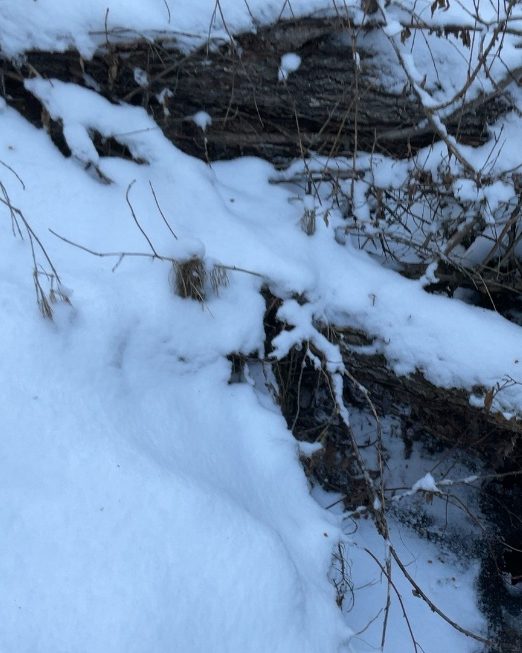
Snow-covered fallen logs beside a dark stream channel in a winter forest.
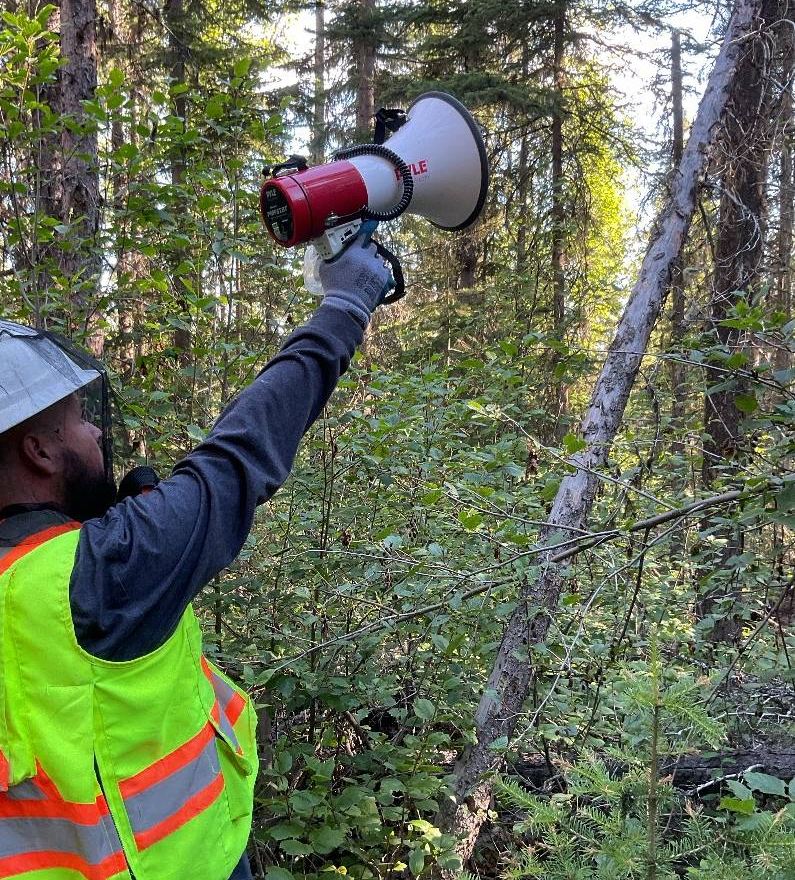
A Guardian in a hard hat and high-visibility vest raises a red megaphone toward the treetops.
More photos 3Preconstruction surveys and finds along the corridor
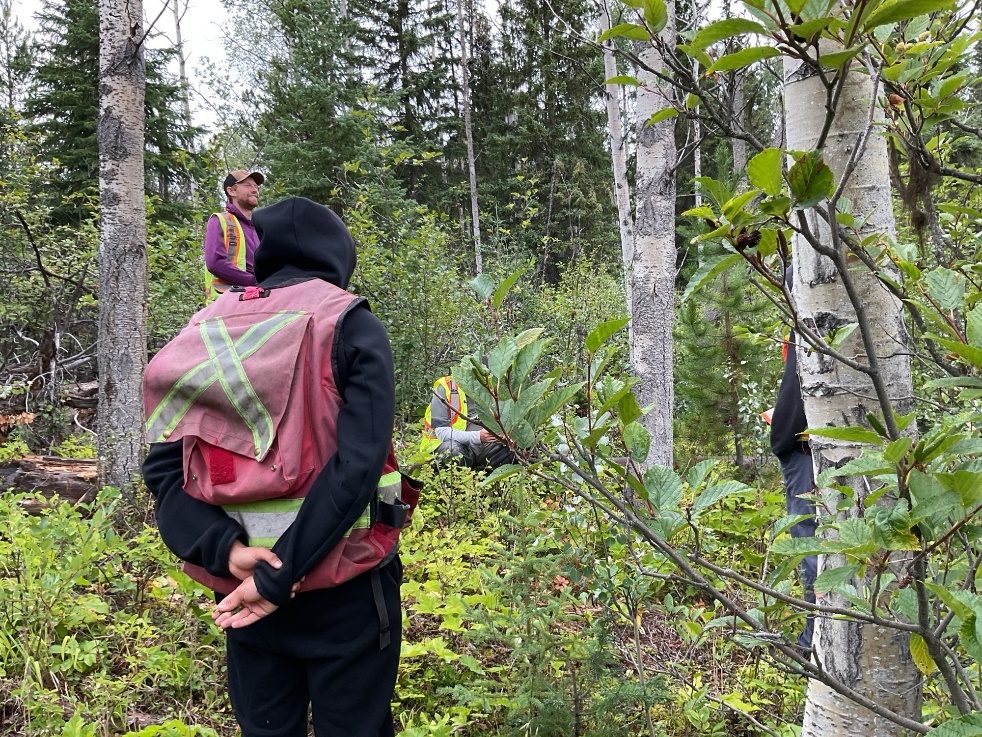
Two people in red safety vests stand among birch and spruce trees, one looking up into the canopy.
A close-up of grey weathered wood with a long orange-stained scar.
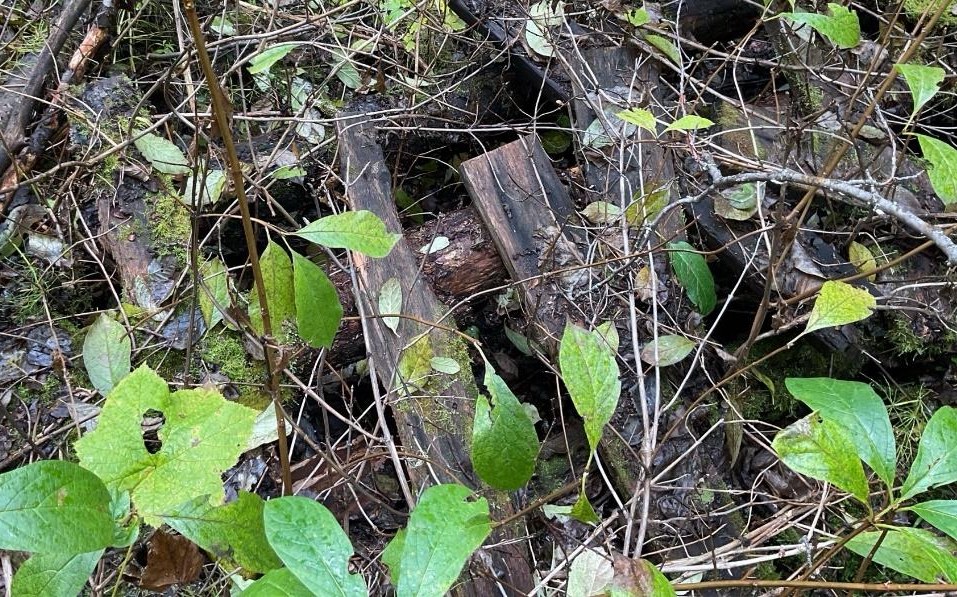
A tangle of old timbers and branches among green shrubs and leaves.

How this builds Our Nation. Our Future.

The land is not simply an economic asset. It carries history, culture, knowledge and responsibilities that extend across generations.

At the same time, responsible development can provide resources that allow the Nation to invest in its people and its future.

Our responsibility is to find the balance -- protecting what previous generations entrusted to us while creating opportunities for the generations that follow.

Section 03 of 04 · Our Territory and Partners2026 Fall Report

’Alhk’ikh Ts’ëdilh

Our Territory and Partners.

Chapters 9–11 of the Fall Report: the North Coast Transmission Line, staying at the table on the Pacific Trail Pipeline, and working with partner Nations.

$15 millionProposed Environmental Enhancement Fund for Indigenous-led restoration along the North Coast Transmission Line, chapter 9.

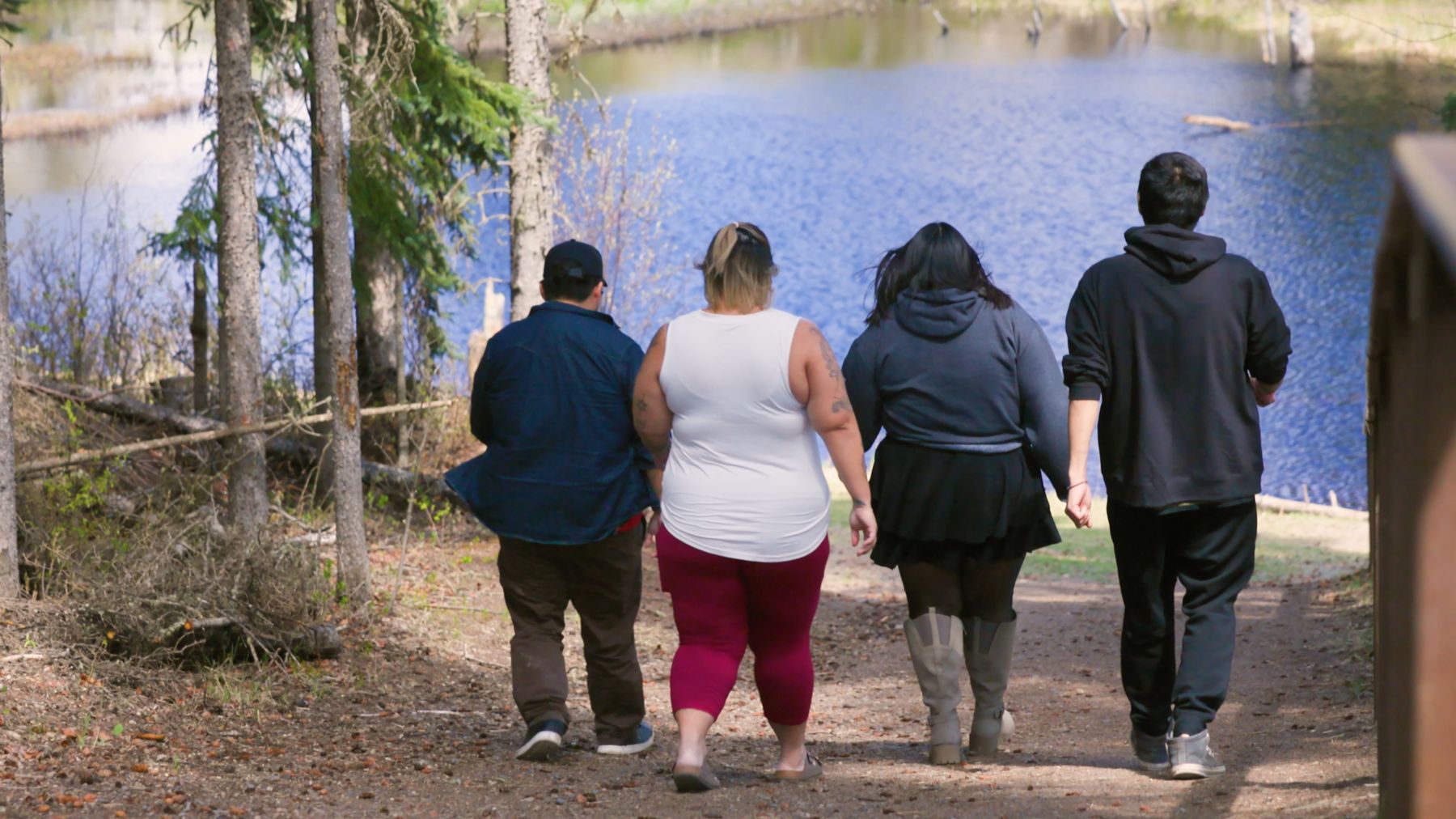
Four people seen from behind, walking down a forest path toward a sunlit lake.
  • 16First Nations signed the ARBAThe Amended and Restated Benefits Agreement for the Pacific Trail Pipeline, chapter 10.
  • $70 millionRegional Economic Development fundBacking the new Economic Development Advisory Committee across Pathway Forward 3.0, chapter 11.
  • 7Nations in Pathway Forward 3.0The five-year government-to-government framework Ts’il Kaz Koh is part of, chapter 11.

Chapter 9

Shaping What Happens on our Territory

The North Coast Transmission Line

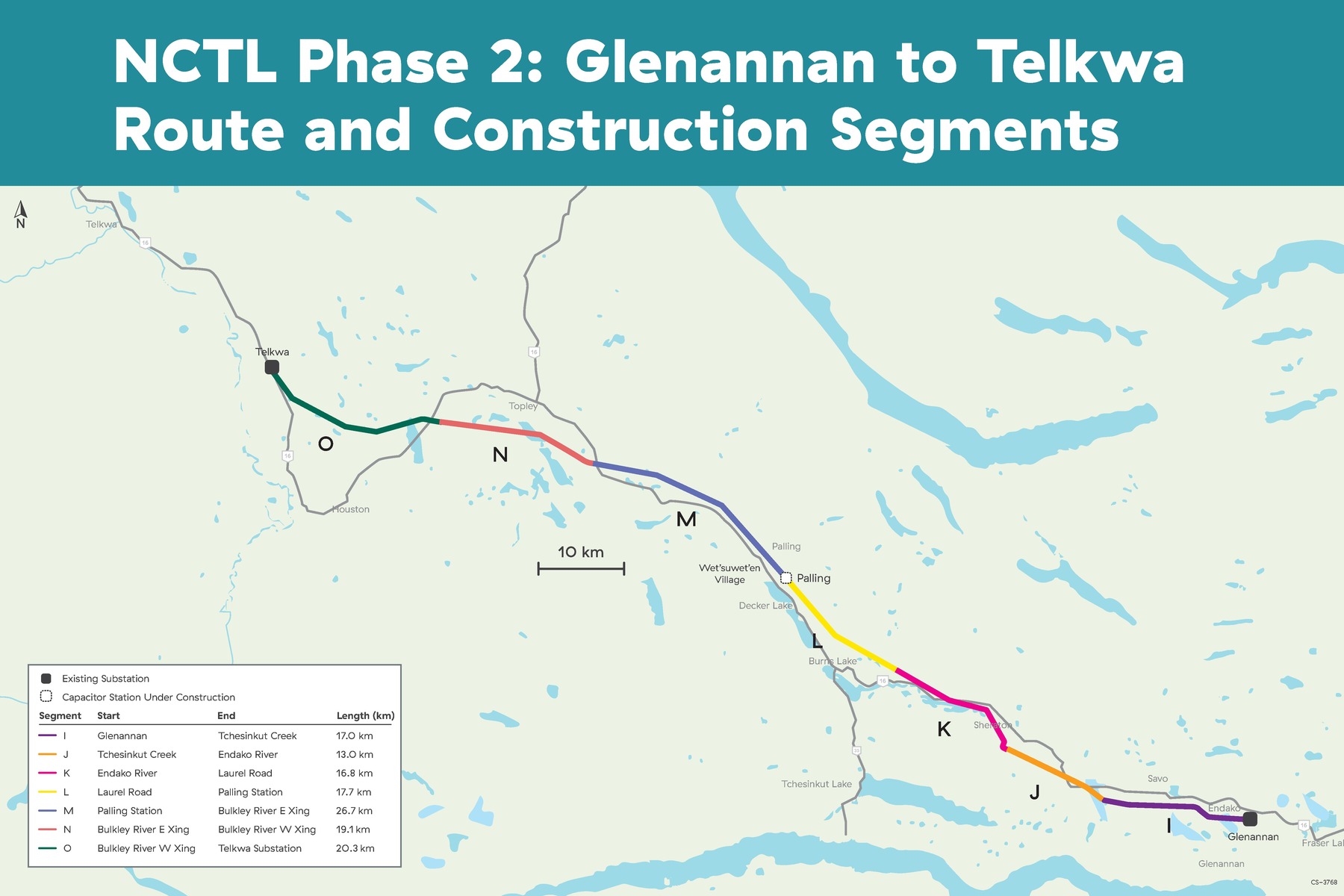
Map of the proposed North Coast Transmission Line route from Glenannan to Telkwa, with lettered construction segments, passing near Burns Lake and Palling.

Northern British Columbia is entering a period of significant infrastructure and economic development.

The proposed North Coast Transmission Line is an important example and demonstrates why Ts’il Kaz Koh must be actively involved as major projects move from planning toward construction.

Planning and pre-construction work is advancing, with greater detail now emerging around construction, procurement, environmental protection, cultural oversight and potential community impacts. Work will continue over several years, with pre-construction activity extending through 2027 and various construction activities contemplated into the early 2030s.

For First Nations, one of the most significant elements is the potential for meaningful economic participation.

Opportunities identified for First Nation Designated Businesses include forest-road construction and maintenance, site preparation, camps and laydowns, clearing and access work, camp operations and transmission-line work. Potential procurement approaches include First Nation direct awards and First Nation-select RFP processes.

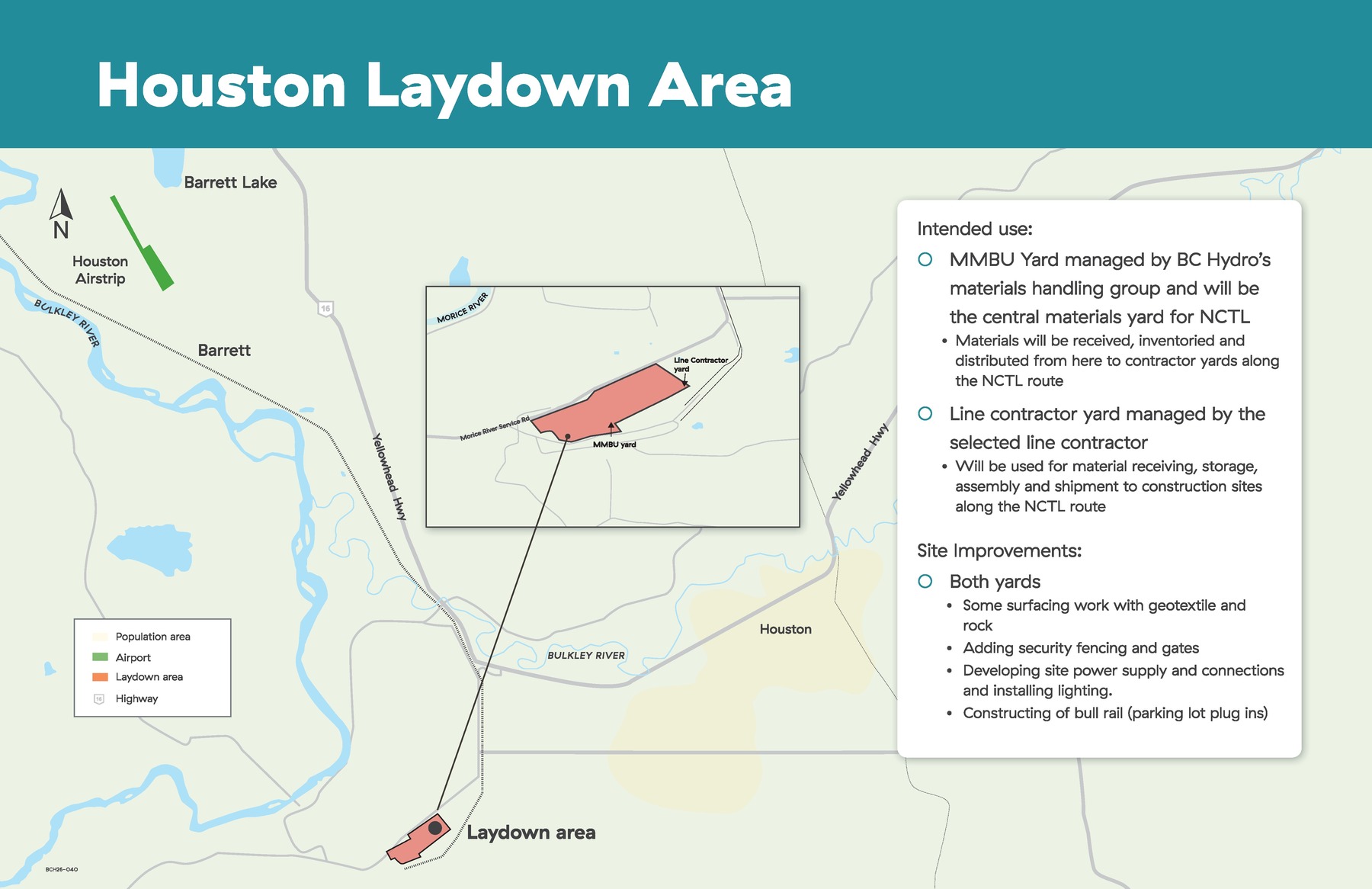
Map of the Houston laydown area for the North Coast Transmission Line, showing the MMBU materials yard and the line contractor yard.

But participation cannot be measured solely in contracts.

The emerging framework also contemplates First Nations involvement in environmental and cultural oversight through Guardians and Cultural Advisors, participation before and during construction and involvement in monitoring and compliance. A proposed $15-million Environmental Enhancement Fund would support Indigenous-led environmental and cultural restoration initiatives.

The scale of construction also means potential impacts must be carefully considered. Planning is addressing worker accommodations, health and medical services, worker conduct, cultural and gender safety, pressures on local services, cumulative impacts and mechanisms for community feedback.

How this builds Our Nation. Our Future.

For generations, major projects have been developed across Indigenous territories while First Nations received too little say in the decisions and too little of the resulting economic benefit.

The opportunity today is to establish a different relationship.

Ts’il Kaz Koh should have a meaningful role in understanding impacts, protecting environmental and cultural values and identifying opportunities for members and Nation-owned businesses.

When development occurs in and around our territory, our Nation should have a meaningful voice in how it happens and a meaningful opportunity to share in the benefits.

Chapter 10

Staying at the Table as the Pacific Trail Pipeline Moves Forward

Protecting Our Interests and Preparing for What Comes Next

The Pacific Trail Pipeline (PTP) is entering an important new period, with developments that could create significant long-term economic opportunities for Ts’il Kaz Koh and other First Nations along the proposed pipeline route.

As these discussions advance, Ts’il Kaz Koh is working to ensure our Nation remains informed, involved and prepared to protect its interests.

Ts’il Kaz Koh is a founding member of the First Nations Limited Partnership (FNLP) and one of 16 First Nations that signed the Amended and Restated Benefits Agreement (ARBA) in 2013. This agreement establishes important economic benefits, employment opportunities and other commitments for participating Nations if the pipeline project proceeds.

Throughout 2026, Enbridge, which now owns 100 per cent of the PTP project, has been advancing discussions with potential partners on a larger liquefied natural gas (LNG) development that would use the pipeline.

A central part of these discussions is the proposed Bish LNG terminal, being advanced by the Haisla Nation, which is also one of the 16 FNLP shareholder Nations. Enbridge has also been engaging potential international LNG partners as it explores how the overall project could move forward.

At the same time, Enbridge is advancing discussions around the proposed Pacific Connector, a 209-kilometre northern pipeline extension that would connect the PTP corridor at Summit Lake with existing natural gas infrastructure in the Fort Nelson area.

Together, these developments could significantly change the scale and structure of the original project. They also raise important questions about how additional First Nations and corporate partners may participate, how existing agreements will be respected and what future ownership opportunities might look like.

For Ts’il Kaz Koh, the priority is to understand these changes before decisions are made and ensure that our Nation's interests remain protected.

Protecting Our Position and Existing Agreements

One of the most important considerations is how the proposed developments could affect the existing benefits agreement signed by Ts’il Kaz Koh and the other FNLP Nations. Enbridge has raised the possibility of revisiting the ARBA as discussions advance around the Pacific Connector and the potential involvement of five Treaty 8 First Nations. However, FNLP has made it clear that reopening the existing agreement is not its preferred approach. Instead, Enbridge has indicated that it may pursue separate benefits agreements with the Treaty 8 Nations.

This distinction matters because the existing agreement represents years of work to establish benefits and commitments for the original 16 participating Nations.

There are also important regulatory questions. Enbridge has been discussing whether amendments may be required to the project's existing Environmental Assessment Certificate, which received substantially started status in 2016. The extent of any changes, the regulatory review that may be required and the implications for existing approvals have not yet been determined.

FNLP is closely assessing these developments, including whether First Nations are being appropriately engaged and consulted as discussions progress. Legal advice may be required to ensure existing agreements and interests are respected.

For Ts’il Kaz Koh, participation in major development must be accompanied by meaningful consultation, strong representation and informed decision-making.

Considering Future Ownership Opportunities

Another important development is the possibility of First Nations acquiring an ownership interest in the Pacific Trail Pipeline. Enbridge has indicated that it intends to make an equity opportunity available. However, the size, structure and terms of any potential ownership participation remain uncertain, particularly as other corporate and international partners become involved.

FNLP is preparing financial models and strategic options to help its 16 shareholder Nations understand what these opportunities could mean and how they might be approached.

This work is expected to be available for shareholder consideration before the end of 2026.

For Ts’il Kaz Koh, the possibility of equity participation is significant. Ownership can create opportunities to move beyond receiving benefits from development toward sharing more directly in its long-term economic value. But any potential investment must be carefully evaluated, including its financial requirements, risks, governance arrangements and long-term benefits.

Our Nation's approach is to understand the opportunities, ask the necessary questions and ensure decisions are based on what is best for our members and future generations.

Preparing Now for Opportunities Later

Although discussions are advancing, there are no immediate employment or procurement opportunities associated with the Pacific Trail Pipeline. A Final Investment Decision could still be several years away, with 2030 identified as a possible timeframe. The employment and procurement provisions in the existing benefits agreement would not be triggered until the project reaches that stage.

However, waiting until construction begins would mean missing an important opportunity to prepare.

Enbridge is proposing $25,000 in capacity funding for Ts’il Kaz Koh to support engagement, community awareness and participation as the project develops. This funding would help the Nation remain involved as discussions progress and support the work required to understand the project's implications.

Important Decisions Ahead

FNLP is planning a shareholders' meeting in Vancouver in December 2026, bringing together representatives of the participating First Nations to review developments and consider the next steps. By that time, Enbridge may be able to provide greater clarity about the proposed LNG development, its potential partners, future ownership opportunities and how the Pacific Trail Pipeline could move forward.

The meeting will provide an important opportunity for participating Nations to review information, raise concerns and consider their collective interests.

For Ts’il Kaz Koh, it will also be another opportunity to ensure that our Nation's voice is heard as the project enters a potentially significant new phase.

While construction may still be years away, the discussions taking place today could influence the benefits, responsibilities and opportunities available to our Nation for decades.

Our Approach

Ts’il Kaz Koh has consistently emphasized that economic development and stewardship must move together. That principle continues to guide our involvement in the Pacific Trail Pipeline.

We recognize the potential for long-term economic benefits, including employment, procurement, revenue and possible ownership participation. At the same time, we recognize the importance of protecting our territory, respecting existing agreements and ensuring meaningful First Nations participation in decisions that affect our future.

Our focus is on staying engaged, understanding the proposed changes and ensuring our members and leadership are informed as decisions emerge. We will continue to work with FNLP and other partners, ask questions and carefully consider the opportunities and responsibilities that may come with this project.

The Pacific Trail Pipeline may still be years away from construction, but the decisions being considered today could shape Ts’il Kaz Koh's economic future for generations. Our responsibility is to remain at the table -- informed, prepared and ready to protect our Nation's interests while considering opportunities that can contribute to lasting prosperity.

Chapter 11

Stronger Together, Independent in our Decisions

Collaboration, Capacity, and Self-Determination

A strong Nation must also have the capacity to make decisions, negotiate effectively and pursue opportunities on its own terms.

Ts’il Kaz Koh's participation in the Carrier Sekani First Nations Society and Pathway Forward 3.0 is one part of that work.

Pathway Forward 3.0 is a five-year government-to-government framework involving seven member Nations, including Ts’il Kaz Koh. Its objectives include strengthening Nation governance and decision-making, economic independence, stewardship of lands and resources, community well-being and progress toward self-government and comprehensive reconciliation.

Progress in some areas has been slower than anticipated. However, important governance, technical and planning work continues to ensure participating Nations are positioned to make informed decisions as opportunities emerge.

A significant recent development is the creation of the Economic Development Advisory Committee, which will help guide the Regional Economic Development Initiative.

The initiative is backed by a dedicated $70-million fund intended to support business development, partnerships, infrastructure, equity participation and long-term revenue opportunities. Its broader objective is particularly important: enabling participating Nations to become increasingly active as owners, investors, regulators and partners in the regional economy.

For Ts’il Kaz Koh, regional collaboration can provide access to funding, expertise, tools and negotiating capacity that may be difficult for an individual Nation to assemble alone.

But collaboration does not mean surrendering independence.

Ts’il Kaz Koh retains authority over its own priorities and decisions. As the work advances, leadership direction and community involvement will remain important in determining which opportunities best reflect the Nation's needs and long-term objectives.

How this builds Our Nation. Our Future.

The lesson is straightforward: we can be independent and collaborative at the same time.

Working with neighbouring Nations can strengthen our negotiating position, create opportunities that are larger than any one Nation could pursue independently and give First Nations a stronger collective voice.

At the same time, Ts’il Kaz Koh must always determine what is right for Ts’il Kaz Koh.

Our future depends on having the capacity, relationships and resources to make informed decisions -- and the independence to make those decisions for ourselves.

Section 04 of 04 · Our Future2026 Fall Report

hoozdutel’eh

Our Future.

Chapters 12–16 of the Fall Report: moving from participation to ownership, KBDC’s work, the Spain delegation, preparing our young people to lead, the future we are building, and the year’s financial snapshot.

$12.5 millionSecured in training funding for Phase 2 of the North Coast Transmission Line Project, chapter 15.

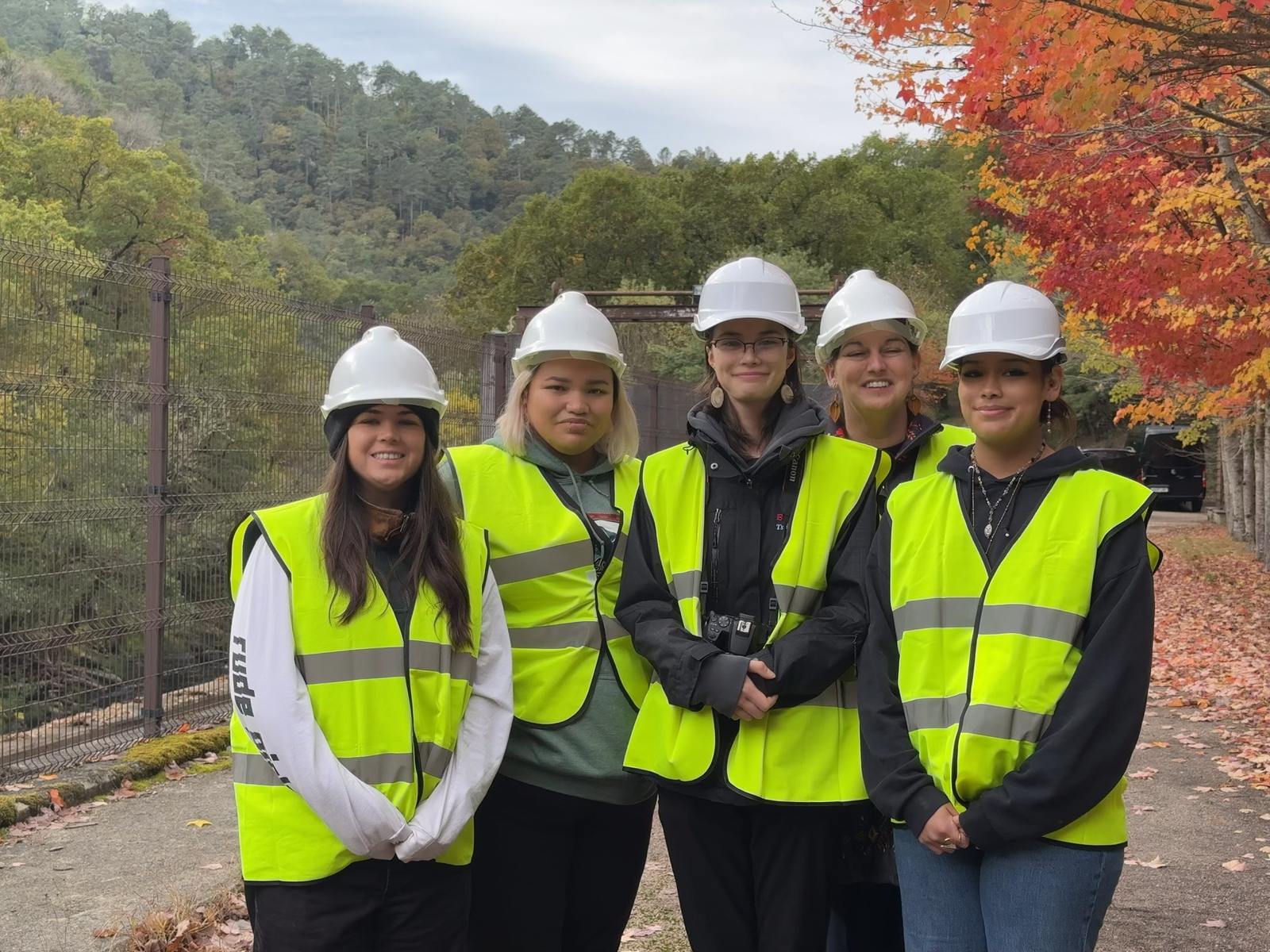
Five people in white hard hats and yellow safety vests stand together outdoors in front of a fence, with red and gold autumn trees behind.

Chapter 12

From Participation to Ownership

Building Long-Term Economic Independence

There is another important change occurring in the relationship between First Nations and major economic development.

Increasingly, the question is not simply: How can First Nations participate?

The bigger question is: How can First Nations own?

That distinction could have profound implications for Ts’il Kaz Koh.

Employment, procurement and contracting opportunities remain important. They create jobs, build skills and help Nation-owned and member-owned businesses grow.

But ownership has the potential to create something different: long-term revenues, assets and economic independence that can support Nation priorities for generations.

Initiatives such as K’uul Power and Klo Wind represent the kind of transformational opportunities Ts’il Kaz Koh is increasingly considering.

How this builds Our Nation. Our Future.

Economic reconciliation should ultimately mean more than receiving benefits from projects developed by others.

It should include opportunities for First Nations to become developers, owners, investors and decision-makers.

That can create revenues that support community priorities, provide opportunities for younger generations and reduce dependence on outside governments and funding programs.

The goal is not economic development for its own sake.

The goal is to use economic opportunity as another tool for Nation building.

Our long-term ambition should be to move from watching development happen, to participating in development, to helping shape and ultimately own the opportunities that will define our region's future.

Chapter 13

Building Our Economic Future

Key-oh Business Development

Key-oh Business Development Corporation (KBDC) works on behalf of Ts’il Kaz Koh to build businesses, assets, partnerships and opportunities that can strengthen our Nation over the long term.

Its work spans forestry, hospitality, training and employment, major infrastructure, renewable energy, food security and property development.

Some opportunities are already underway. Others are still being explored or negotiated, and not every project will proceed. KBDC’s role is to carefully assess opportunities and pursue those that can create meaningful and lasting benefits for Ts’il Kaz Koh and our members.

Setting a Clear Direction

In June, the KBDC Board and staff joined Chief and Council and Ts’il Kaz Koh administration for a multi-day strategic planning session focused on KBDC’s future direction. Since then, the draft Strategic Plan has been reviewed and revised, with a supporting work plan and a formal process developed for transferring economic development projects from Ts’il Kaz Koh to KBDC.

The goal is clearer roles, stronger communication and a more coordinated approach as economic opportunities move forward.

Forestry and Wildfire Risk Reduction

Wildfire-risk-reduction work was completed over the summer, creating local employment and generating revenue while completing important work associated with Ts’il Kaz Koh’s forestry licences.

Planning is also underway for additional forestry activity, with layout and timber cruising to be followed by the permitting process. Harvesting is currently targeted for winter 2026/27.

Our forestry licences provide another way for Ts’il Kaz Koh to participate directly in the regional economy and create benefits from activity involving our lands and resources.

Major Projects and Partnerships

KBDC continues to position Ts’il Kaz Koh to participate in major infrastructure opportunities in the region.

Engagement has resumed regarding the proposed Coastal GasLink Parrott and Segundo Lake compressor stations. KBDC is working with the Wet’suwet’en Collective and industry to explore potential contracting and business opportunities should the projects proceed.

KBDC is also working with Wet’suwet’en communities on opportunities associated with the North Coast Transmission Line (NCTL), including contracting, revenue sharing, employment and training.

Through the Wet’suwet’en Economic Development Table, KBDC is also working with other communities to share information, coordinate approaches and explore opportunities that may be stronger when pursued together.

The principle is simple: when major economic activity is proposed in our region and on our territory, Ts’il Kaz Koh needs to be part of the conversation.

Strengthening Businesses We Own

KBDC continues to strengthen the Key-oh Lodge, Key-oh Hotel, Restaurant, Pub and Event Centre. These businesses are important Nation-owned assets, and the latest results show encouraging progress.

For the 12 months ending August 31, 2026, Key-oh Hotel occupancy increased from 53.07 per cent to 62.81 per cent, while Key-oh Lodge occupancy increased from 66.84 per cent to 72.38 per cent. Both properties experienced particularly strong occupancy through the spring and summer.

The growth is particularly significant for the Key-oh Hotel, which was still in its start-up phase in 2025. The improving occupancy rates provide a stronger foundation as KBDC continues working to grow the hospitality businesses and strengthen their long-term performance.

The impact goes beyond occupancy rates. KBDC and Key-oh Lodge Limited Partnership together employ 43 people and provide approximately $1.64 million in annual wages, with Indigenous employees representing approximately half of the combined workforce. Key-oh Lodge Limited Partnership alone employs 37 people, 49 per cent of whom are Indigenous, and provides approximately $1.35 million in annual wages.

The Lodge and Hotel are also building relationships beyond Ts’il Kaz Koh, providing accommodation services through direct-billing arrangements with 12 neighbouring Nations and Indigenous organizations. In 2026, the Key-oh Lodge renovation project was completed using local contractors, helping keep project spending and economic benefits within the region.

KBDC itself currently employs six people, provides approximately $290,000 in annual wages and has a workforce that is 50 per cent Indigenous.

At the same time, work continues to strengthen the businesses themselves. Hotel room upgrades are underway, technology services have been improved, and the management structure for the Lodge and Hotel has been strengthened. Work also continues on operational and quality-assurance standards.

KBDC is working with Sodexo on hospitality management support, marketing and development of a Hospitality Training Program designed to provide practical skills and work experience in areas such as front desk operations, food and beverage service, kitchen support and housekeeping.

Together, these efforts demonstrate what Nation-owned economic development can mean in practical terms: stronger businesses, local jobs and wages, training opportunities, stronger relationships with neighbouring Nations, and assets that can generate benefits for Ts’il Kaz Koh over the long term.

Supporting Ts’il Kaz Koh and the Local Economy

Key-oh Lodge Limited Partnership contributes directly to Ts’il Kaz Koh and the surrounding economy through its operations, local purchasing and continued investment in Ts’il Kaz Koh-owned assets.

Key-oh Lodge pays approximately $432,000 annually to Ts’il Kaz Koh to lease the Lodge property. This revenue enables TKK to meet its annual loan payments while reducing the debt on a Nation-owned asset, building equity and strengthening the Nation’s long-term financial position for the benefit of its members.

Approximately $255,000 is also spent annually on food and beverage purchases to support hotel and Lodge operations, including purchases from local suppliers and breweries.

Over the past year, approximately $500,000 in Ts’il Kaz Koh-funded upgrades were completed at Key-oh Lodge, helping maintain and improve this important Nation-owned asset. All labour for the renovation work was provided by local contractors, and the majority of project supplies were purchased locally.

Together, these expenditures demonstrate how Ts’il Kaz Koh-owned assets can generate value beyond their day-to-day operations, supporting Nation revenues, local businesses and contractors while protecting and improving assets that belong to Ts’il Kaz Koh.

Exploring New Opportunities

KBDC continues to explore opportunities that could diversify our economy.

The proposed Aquaponics Project, being explored with Habitat Farms Ltd., remains in development. If it moves forward, it could support local food production while creating training, employment and economic opportunities.

Opportunities like this reflect an important shift in our approach to economic development: where possible, we want to move beyond simply participating in projects toward having an ownership stake in them.

Building Assets for the Future

Ts’il Kaz Koh is also building a land base that can support future economic development.

Strategically located property gives our Nation more options—whether for Nation-owned businesses, partnerships, commercial development, leasing or opportunities that have yet to emerge.

What Does This Mean for Members?

Economic development is ultimately about creating opportunities and building assets that benefit our people.

That can mean jobs and careers, training and skills, contracts for member-owned businesses, stronger Nation-owned companies, ownership in major projects, new land and business assets, and revenues that strengthen our Nation over the long term.

The progress at Key-oh Lodge and Key-oh Hotel provides a tangible example of what that can look like: Nation-owned businesses growing their customer base, employing people, generating wages, supporting local contractors and creating an economic foundation that can be built upon.

Not every opportunity KBDC explores will proceed. Many of the initiatives described here are still being planned, negotiated or evaluated.

But together, they reflect a larger direction: building Ts’il Kaz Koh’s ability to shape economic development, own a greater share of the opportunities around us and create lasting benefits for our members and future generations.
Chapter 14

Learning Before Deciding

Renewable Energy and the Spain Delegation

Being in control of our future also means being prepared to explore new ideas.

Renewable energy could represent an important area of future economic development. But major projects can also have significant implications for land, wildlife, communities and future generations.

That is why informed decision-making matters.

A delegation of Wet’suwet’en Hereditary Chiefs, elected leaders, community representatives and young adults travelled to Spain as part of discussions concerning a potential renewable-energy partnership with Ecoener and Sea to Sky Energy Solutions. The trip provided participants with firsthand exposure to renewable-energy operations and an opportunity to better understand the companies and the potential implications of a proposed wind development near Houston.

A group of people in hard hats and yellow safety vests standing in front of a stone hydroelectric station with a curved wooden roof, seen from above, with water rushing past on the right.
Five people sit close together on stone steps beside a balustrade at night, with a lit museum building above them.
A traveller seen from behind looks out of an airplane window at a river valley below.
More photos 7Arriving in Spain
A man in a black cap and dark clothes stands in front of the tall stone Gothic front of a cathedral, with people crossing the square behind him.
A tall corner apartment building with a rounded tower under a blue sky, with trees and traffic along the street.
A narrow street lined with tall buildings and balconies, with people walking and a small cart in the distance.
A narrow stone street with a canopy of orange and dark blue umbrellas hanging overhead.
Four people seen from behind sit on a stone balustrade at night, looking out over a lit city.
Five people seen from behind sit along a stone balustrade at night, with searchlight beams above the city.
A stone temple gate glows in floodlight at dusk with a pink sky behind it.

Participants visited hydroelectric, wind and solar facilities and examined how projects operate, how they are integrated into surrounding environments and the environmental monitoring and mitigation measures being used.

Delegates in hard hats and yellow vests, seen from behind, looking up at a tall wind turbine against a deep blue sky.
About forty people in yellow vests and hard hats gather on a lawn in front of a stone building with a pitched roof, seen from above.
A group of people in hard hats and vests look down from a concrete platform inside a large industrial hall.
More photos 7On the site tour
A man in a bucket hat and a yellow safety vest walks between rows of solar panels, with wind turbines on the hills beyond.
Three people in safety vests and hard hats stand in a bright doorway, two of them in silhouette.
A woman in a white hard hat and yellow safety vest stands beside a wide, calm river.
A man in a white hard hat and yellow vest gestures toward the river with one hand, with autumn trees behind him.
A woman in a white hard hat and yellow vest looks up and away, with a still lake and its reflections behind her.
A man in a white hard hat and yellow vest stands at a wooden railing, looking out over a river and forested mountains.
Two men in white hard hats and yellow vests stand beside a mossy tree and a stream, smiling.

The trip was also about relationships and learning.

A long dining table set with plates and glasses, with about twenty people seated along both sides in a restaurant.
Five people stand behind three who sit on a beige sofa in a bright room with tall windows, smiling at the camera.
About ten people in yellow safety vests pose in a bright office with desks and computer screens.
More photos 6Meetings, meals and conversations
A large group poses on the steps of a white building, with several men in suits and jackets in front and others behind them.
A woman in a green jacket speaks with her hands raised beside a bearded man in a dark coat, with a river behind them.
Two men point toward a distant view from beside a stone wall, under a stormy sky.
A woman in a jacket with colourful bird embroidery reaches up to touch a wall of layered stone slabs while others look on.
A woman with a ponytail reaches up to write on a stone wall while a camera operator films beside her.
A woman in a dark jacket reaches up to write on a wall of stacked stone slabs.

Discussions included environmental protection, employment, training, community benefits and the responsibilities associated with development on Wet'suwet'en territory. Young adult delegates reported that the experience helped build their knowledge and confidence while exposing them to potential careers in renewable energy.

A row of people in white hard hats and yellow safety vests stand in front of an old stone block wall, looking off to one side.
A woman in a hard hat and yellow vest sits on a large stone among autumn leaves and shrubs, smiling.
A woman with her hair in a clip looks down beside a river, wearing a black hoodie and a yellow safety vest.
More photos 7Young delegates on the trip
A woman in glasses with a white hard hat and yellow vest makes a playful face at the camera, with a camera hanging at her chest.
A man in a grey hoodie and cap bends his head down, with a yellow safety vest and a sandy shore behind him.
A young woman in a cap and yellow safety vest stands smiling on a lawn covered in autumn leaves.
A young woman in a hoodie seen in profile looks out over rows of vineyards on a hillside.
A man in a grey hoodie seen from behind stands on a stone wall looking out over hills and vineyards.
Four smiling people crowd into a selfie beneath pale, mosaic-covered stone columns, one of them holding a camera.
A close-up of a bearded man in glasses and a white hard hat, grinning with a lemon held in his mouth.
Ts’il Kaz Koh Young Adults: A Snapshot of Our Journey, 4 minutes 24 seconds

Just as importantly, participating in the delegation did not constitute approval of a project or a commitment to proceed.

Two men in hard hats and yellow vests stand on a mossy bank beside a dark river, beneath a large ivy-covered tree.
A bearded man in a white hard hat and yellow vest stands with hands on his hips beside the same river and ivy-covered tree.
Mossy granite paving stones on a path, with people in yellow vests standing in the background.
More photos 3Beside the river
A woman in profile wears a white hard hat, a yellow vest and a jacket with a colourful hummingbird design, on a wooded path.
Two men stand among mossy rocks and fallen leaves in a wooded ravine.
A man stands small among ferns and wet fallen leaves in an autumn forest ravine.

It was an opportunity to gather information, ask questions and assess an opportunity firsthand. Continued community involvement, transparency and careful consideration of impacts on the land were identified as essential to future discussions.

The delegation gathered for a group photo in a bright room with tall windows, some seated on white sofas and others standing behind them.
Two people stand among trees on a wet forest path; one holds a bright blue umbrella and a second blue umbrella is open in front.
A wooden footbridge crosses a clear stream, with a long line of people carrying umbrellas crossing it.
More photos 7Walks, rain and downtime
A man in a dark jacket stands among ferns beside a stream, with a timber building among the trees behind him.
A group of about seven people sits close together on a long stone staircase that climbs through green trees and shrubs.
Two people pose playfully in front of a tall hedge arch on a lawn, one standing behind the other.
A man sits on a green iron bench inside a clipped hedge arch on a lawn.
A woman in a light jacket sits smiling on a bench of large rough stones.
A woman in a black top with a shoulder strap smiles in front of an ornate stone wall, with a cartoon sticker above her head.
A man in a white cap and sunglasses, wearing a baseball jersey, poses in a tree-lined plaza.

How this builds Our Nation. Our Future.

Leadership sometimes means saying yes. Sometimes it means saying no. But before either decision can be made, leadership needs good information.

Ts’il Kaz Koh should never feel pressured to accept an opportunity simply because it is presented. Nor should the Nation automatically reject opportunities without understanding what they could mean.

The objective is to learn, question, evaluate and then decide.

Our future should be shaped by informed decisions based on our values, our responsibilities to the land and what we believe will create lasting benefits for our people.

Chapter 15

Preparing Those who will Lead Next

Connecting Today’s Decisions to Tomorrow’s Leaders

Young people should not simply inherit the results of decisions being made today. Wherever possible, they should have opportunities to understand, participate in and eventually lead the work.

The Spain delegation is a particularly useful example. Young participants gained exposure to renewable-energy operations, asked questions and learned about potential career opportunities.

Six delegates sitting on a stone wall, seen from behind, with arms raised, looking out over green hills and vineyards under a cloudy sky.

The language work similarly looks beyond current programming by deliberately developing future teachers, facilitators, resource developers and program leaders.

That same thinking is also behind the Burns Lake Job Fair, which took place October 6 and 7 at The Gathering Place. The event connected young people and other community members with employers, industry and service providers -- showcasing jobs available today while helping people understand the skills, education and training that will be needed for the opportunities expected in the years ahead.

A group of eight people pose closely on a street in front of a stone building and a large red spiral sculpture.

For young people in particular, the objective is bigger than helping them find their first job. It is about introducing them to potential career paths and showing them that building a successful career does not necessarily mean leaving Burns Lake. With new economic opportunities taking shape and experienced workers approaching retirement, there is an important opportunity to transfer knowledge, develop skills and create pathways that allow young people to build careers, raise families and create good lives at home.

There are already tangible opportunities to begin that preparation. The participating Nations, together with K’uul Power, have secured $12.5 million in training funding for Phase 2 of the North Coast Transmission Line Project. That funding will support training, skills development and certifications needed to become job-ready and compete for positions associated with the project.

These initiatives may appear different -- renewable energy, language revitalization, training and workforce development -- but the underlying objective is remarkably similar.

They are about building capacity in the next generation.

How this builds Our Nation. Our Future.

The decisions being made today will have consequences long after today's leaders have finished their work.

That means Nation building must include preparing young people to eventually take our place -- as speakers, Knowledge Keepers, entrepreneurs, tradespeople, professionals, Guardians, administrators and future leaders.

It also means getting ahead of the curve, understanding where future opportunities are likely to emerge, what skills will be required and how Ts’il Kaz Koh members can be prepared to take advantage of them. The goal is not simply to create jobs, but to create pathways to careers, greater self-reliance and a stronger community for generations to come.

The greatest measure of the work we do today will be whether the next generation inherits a Nation that is stronger, more capable and filled with greater possibilities than the one we inherited.

Chapter 16

The Future We Are Building.

Our Nation. Our Future.

The initiatives outlined in this report are at different stages.

Some are already delivering benefits to members. Some are still being developed. Some involve discussions and negotiations that may take years. And some represent opportunities that Ts’il Kaz Koh may ultimately decide to pursue, change or not pursue at all.

But they are connected by a common purpose:

Building a stronger Nation with greater capacity to shape our own future.

That future begins with our people. It means strengthening our language and culture and creating opportunities for members to remain connected to one another and to the land. It means supporting the health and well-being of our people and ensuring our Elders, families and young people can see themselves reflected in the future we are building.

It also means strengthening the Nation itself. Over the past year, Ts’il Kaz Koh has continued to build its administrative, financial and governance capacity. We are strengthening the policies, systems and practices that will help ensure the Nation is prepared to manage greater responsibilities and increasingly significant opportunities.

That work may not always be the most visible, but it is fundamental to everything else we want to accomplish.

A Nation that wants greater control over its future must have the internal strength to exercise that responsibility.

Protecting Our Lands While Shaping Development

Our future is also inseparable from our lands. Significant development is taking place across northern British Columbia, and projects being considered today could shape our territory and the regional economy for decades.

Ts’il Kaz Koh cannot simply watch those changes happen around us. Our Guardians and Natural Resources team are building our own knowledge about our territory. We are gathering environmental information, monitoring watersheds, participating in resource decisions and strengthening our ability to understand the cumulative effects of development.
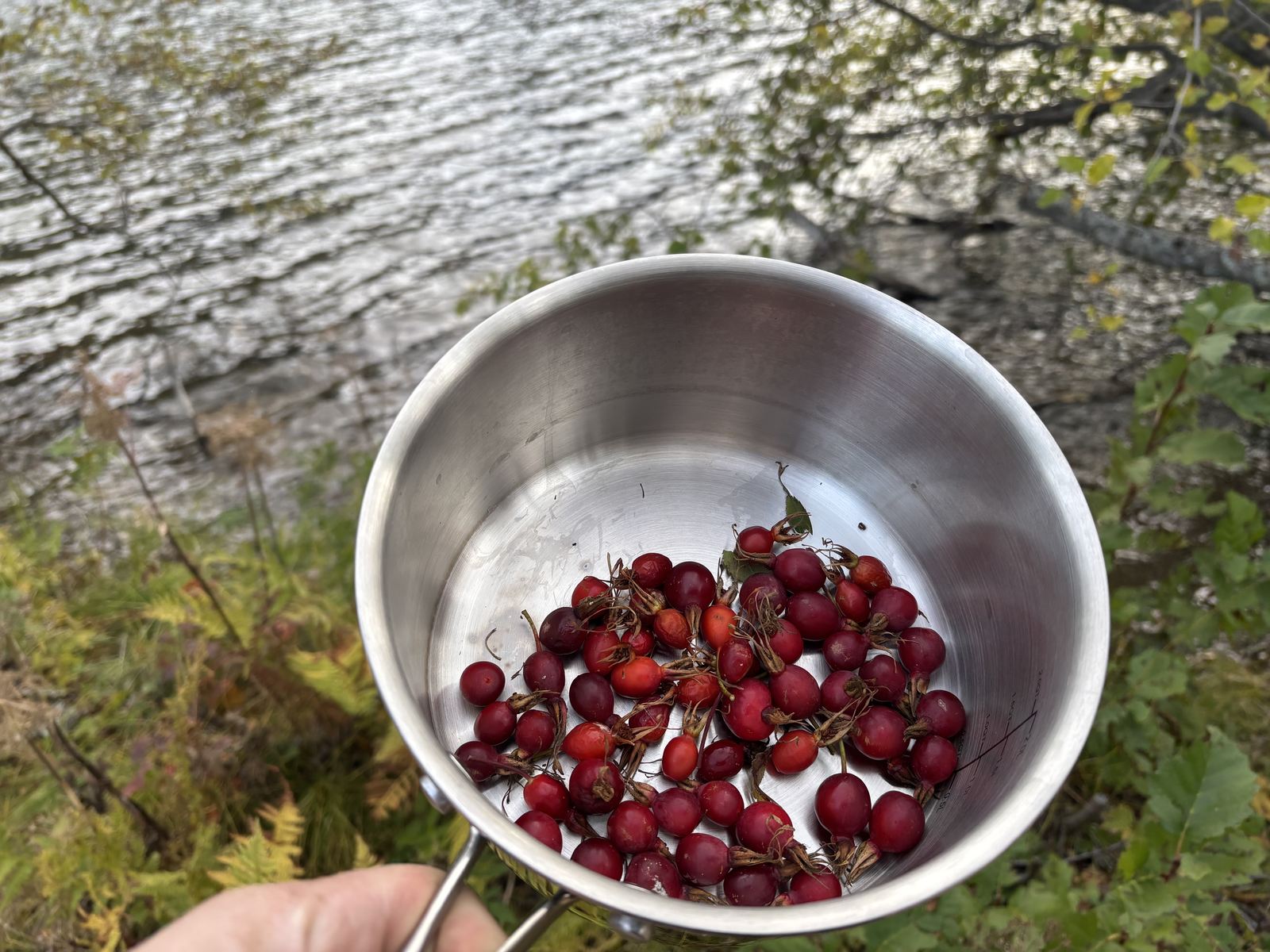
That knowledge gives us a stronger foundation from which to ask questions, identify concerns and help shape decisions affecting our lands and resources.

At the same time, we recognize that responsible development can create opportunities for our people. Our responsibility is therefore not simply to choose between protecting the land and pursuing economic opportunity. It is to build the capacity and influence necessary to do both.

Moving from Participation Toward Ownership

The economic landscape is changing as well. For generations, Indigenous Nations too often watched development take place on their territories while receiving limited influence over decisions and a limited share of the resulting benefits.

There is an opportunity to build a different future. Projects such as the North Coast Transmission Line, K’uul Power and emerging renewable-energy opportunities demonstrate what may become possible when First Nations participate not simply as consultees, but as partners, investors and owners.

That transition matters. Jobs, training and contracts can provide important benefits today. Ownership and long-term revenues have the potential to create something more lasting: greater economic independence and resources that can be invested according to the priorities of our Nation.

Those resources could help support housing, health, culture, language, infrastructure, education, training and opportunities that strengthen the lives of our members.

But opportunity alone is not enough. Ts’il Kaz Koh must continue to ask difficult questions, understand risks and impacts, gather good information and make decisions based on what is right for our Nation. Not every opportunity will be the right opportunity. The important thing is that Ts’il Kaz Koh has the knowledge, capacity and independence to make those decisions for ourselves.
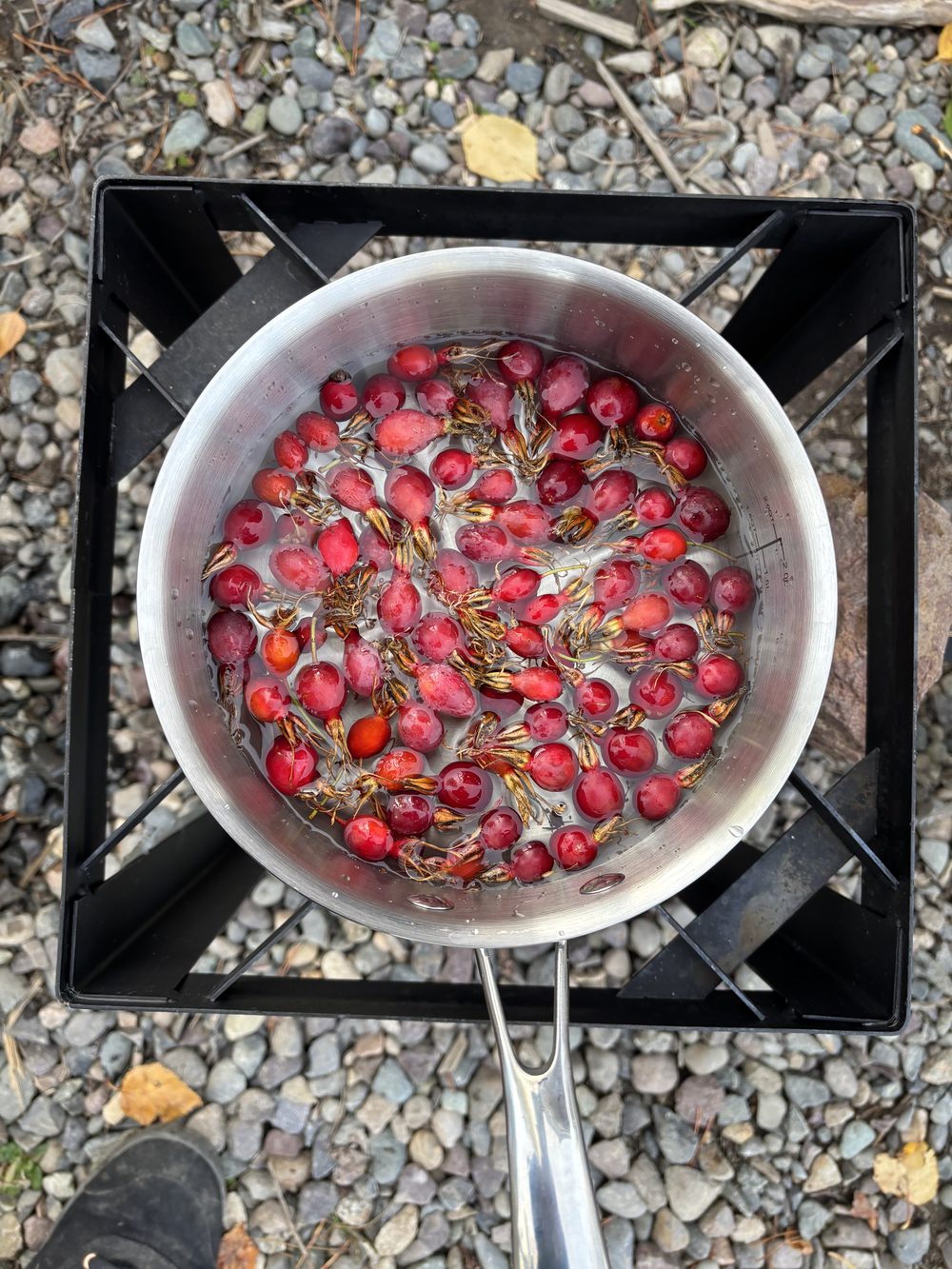
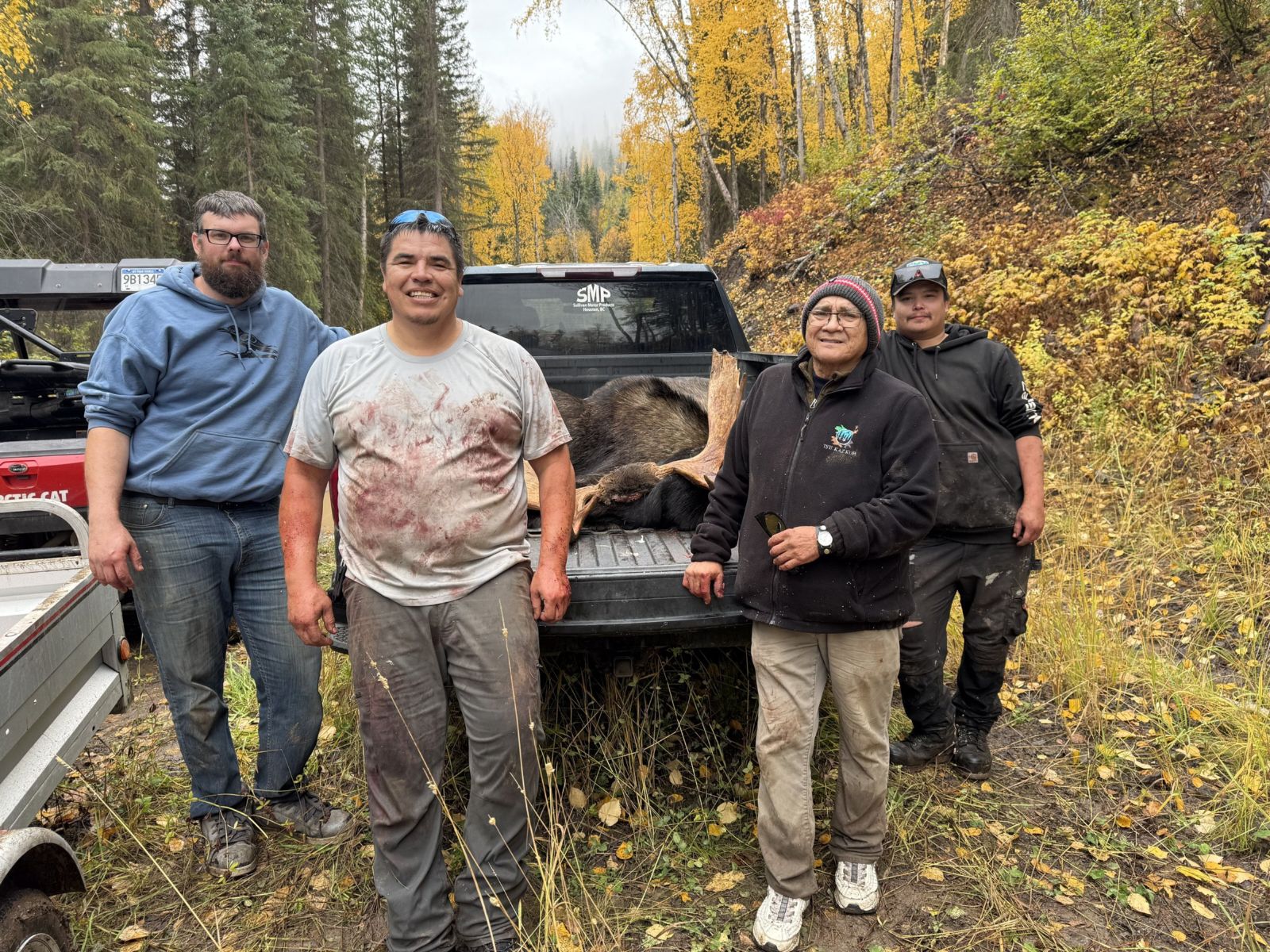
Preparing Those Who Will Lead Next

Ultimately, much of the work described in this report will be measured years from now.

The young people participating in cultural activities today may become tomorrow's language teachers and Knowledge Keepers. Members receiving training today may become the tradespeople, professionals, entrepreneurs and project leaders who build our future economy. Young people learning about stewardship may become future Guardians. And those being introduced to leadership, governance and economic development today may one day be sitting at the tables where the next generation of important decisions is made.

Four children standing on a wooden dock at a lake, with a forested mountain behind them; one holds sunglasses up to his face.
A child with a huge smile in a red shirt, holding a small plastic bag.
A small child in a black hoodie and orange shirt smiles down at a bunch of red and white wildflowers held in one hand.
More photos 3Children, families and community days
A woman and a man hold a small laughing child on the porch of a log cabin.
A parade float built on a flatbed trailer, with leafy branches, a blue tarp and a banner, beside a pickup truck.
About a dozen people stand and sit in a group in front of a white building, beside two tall carved wooden figures.

That is why preparing young people cannot be separated from Nation building. We should not simply leave the next generation projects, businesses or programs.

We should leave them capacity. We should leave them strong governance, healthy lands, economic opportunities, a living culture, a connection to their community and the knowledge and confidence required to lead.

The Work Continues

There will be challenges. There will be opportunities we cannot anticipate today. There will be decisions on which members have different perspectives. There will be projects that move ahead, projects that change and opportunities the Nation decides are not right for Ts’il Kaz Koh.

That is part of building our own future.

What matters is that we continue strengthening our ability to make those decisions from a position of knowledge, confidence and independence.

We can work with neighbouring Nations while protecting our own authority. We can pursue economic opportunity while respecting our responsibilities to the land. We can build partnerships while ensuring Ts’il Kaz Koh has its own voice. And we can look toward new opportunities without losing sight of the language, culture, values and relationships that define who we are.
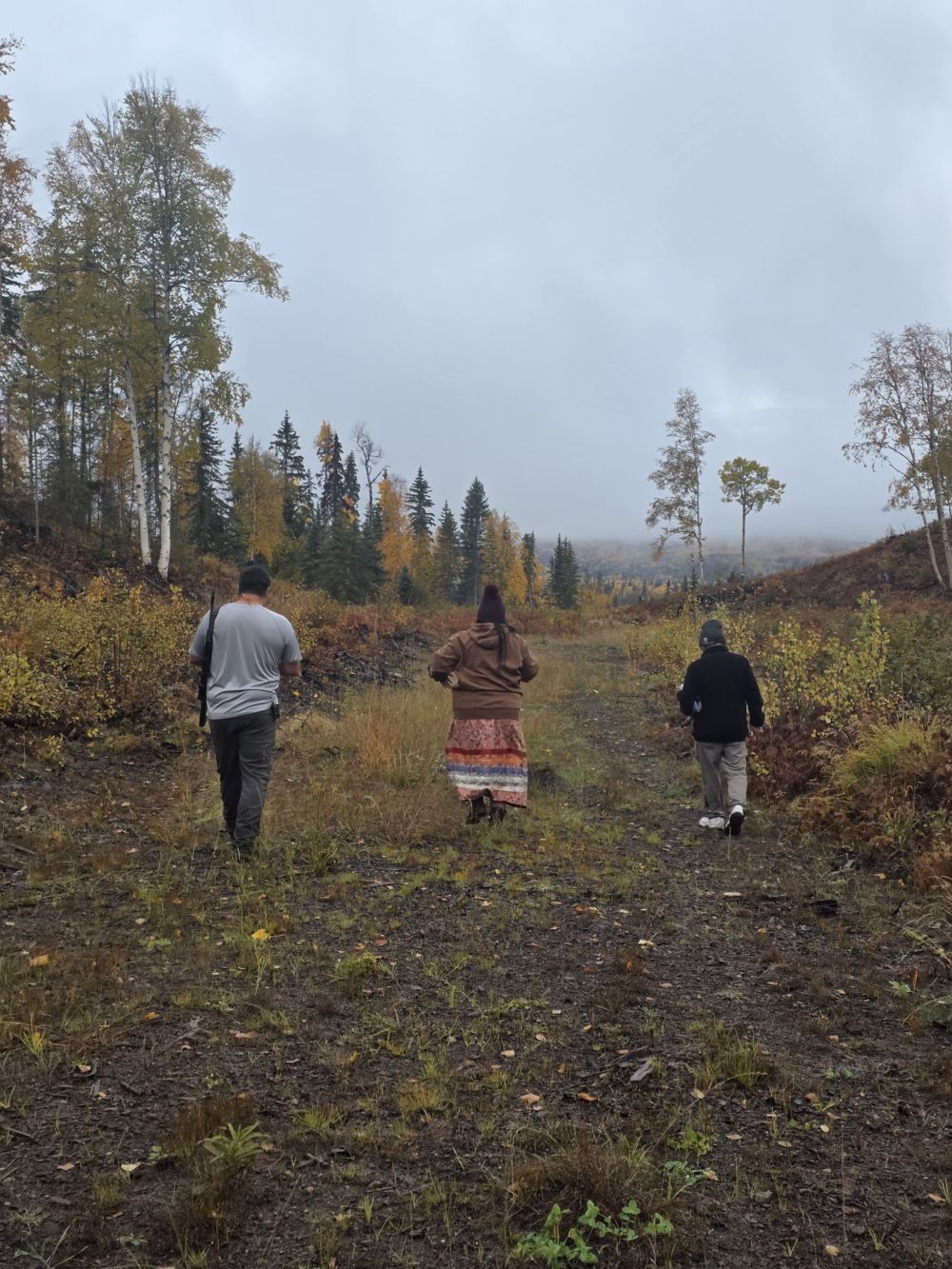
The work underway today is about putting those pieces in place. It is about strengthening our people. Protecting our lands. Building our governance and capacity. Creating greater economic independence. Preparing our young people. And ensuring that Ts’il Kaz Koh increasingly has the ability to determine what happens on our territory and what kind of future we want to build.
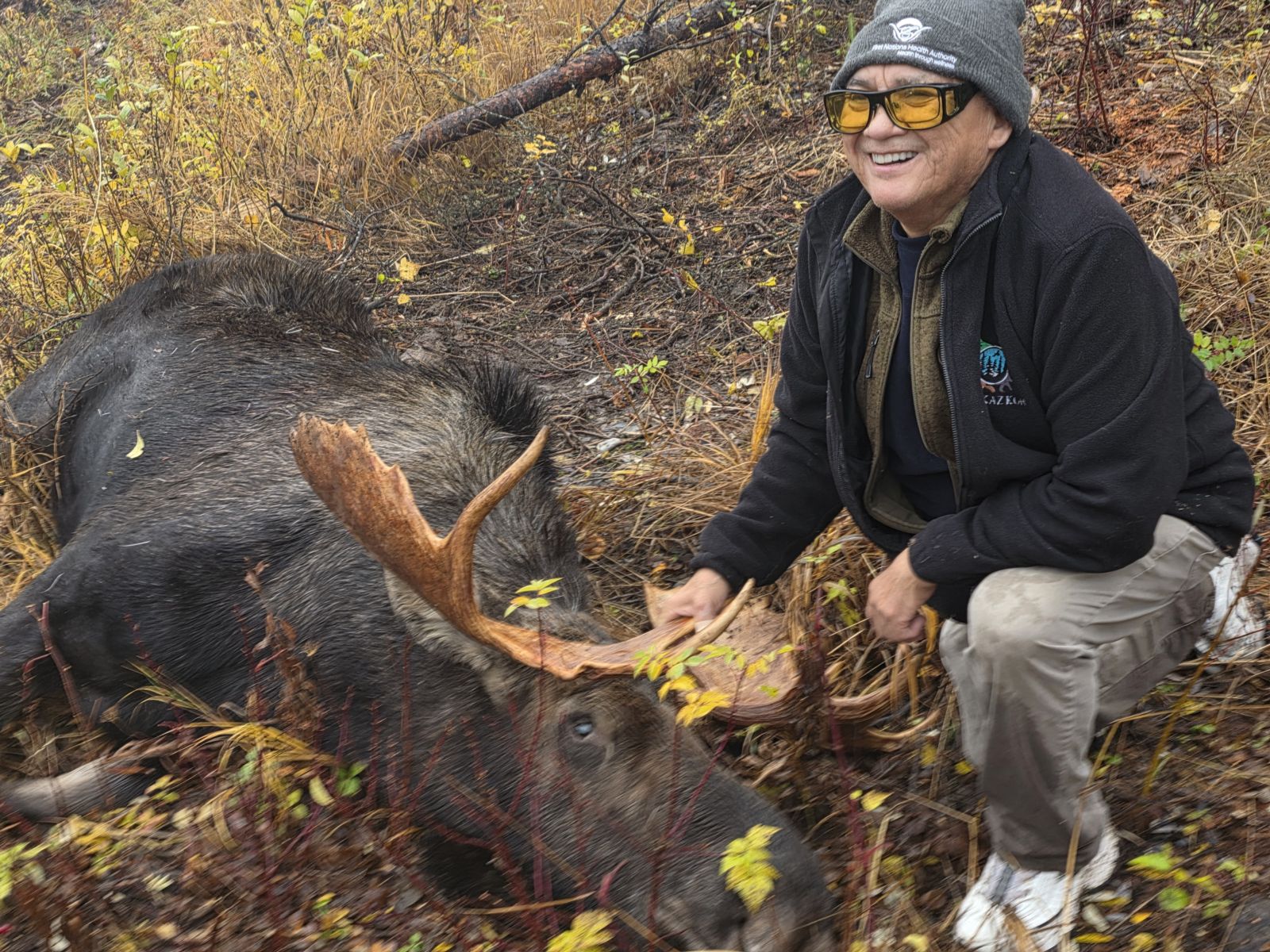
Previous generations carried this Nation forward and created opportunities that we benefit from today.

Our responsibility is to build on what they gave us and leave an even stronger Nation for those who follow.

That is the work ahead.

Our people. Our lands. Our decisions. Our Nation. Our Future.

APPENDIX

Our Nation’s Financial Position

Period Ending March 31, 2026

Strong financial management is an important part of building a strong and sustainable future for Ts’il Kaz Koh First Nation. It allows the Nation to support members today, invest in community priorities and pursue opportunities that can create lasting benefits for future generations.
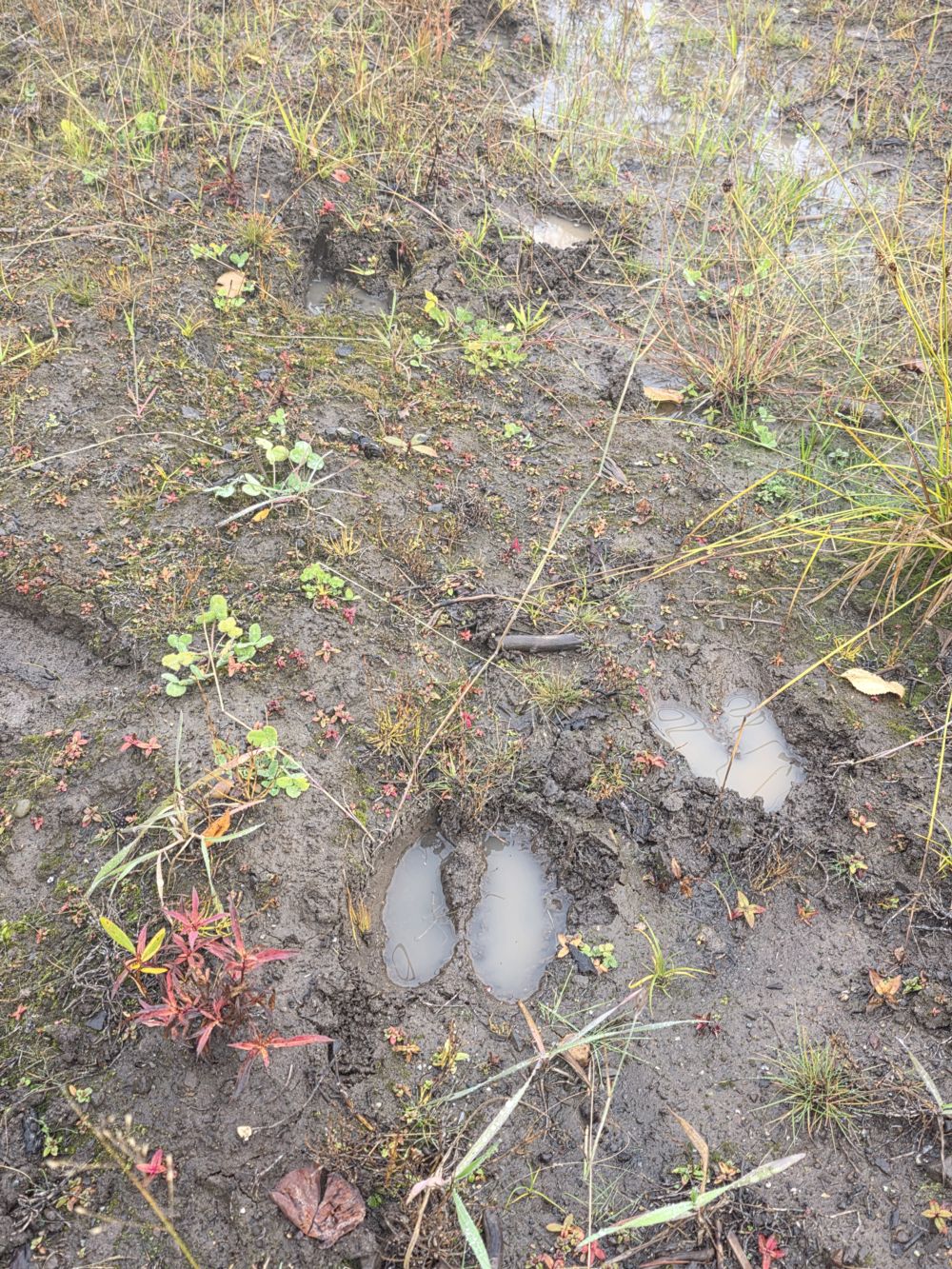
The following provides members with a high-level view of the Nation’s financial position for the period ending March 31, 2026. These figures are draft and unaudited and are being shared to provide transparency about the Nation’s finances, where revenues are coming from and how resources are being invested.

Ts’il Kaz Koh FINANCIALS (UNAUDITED)
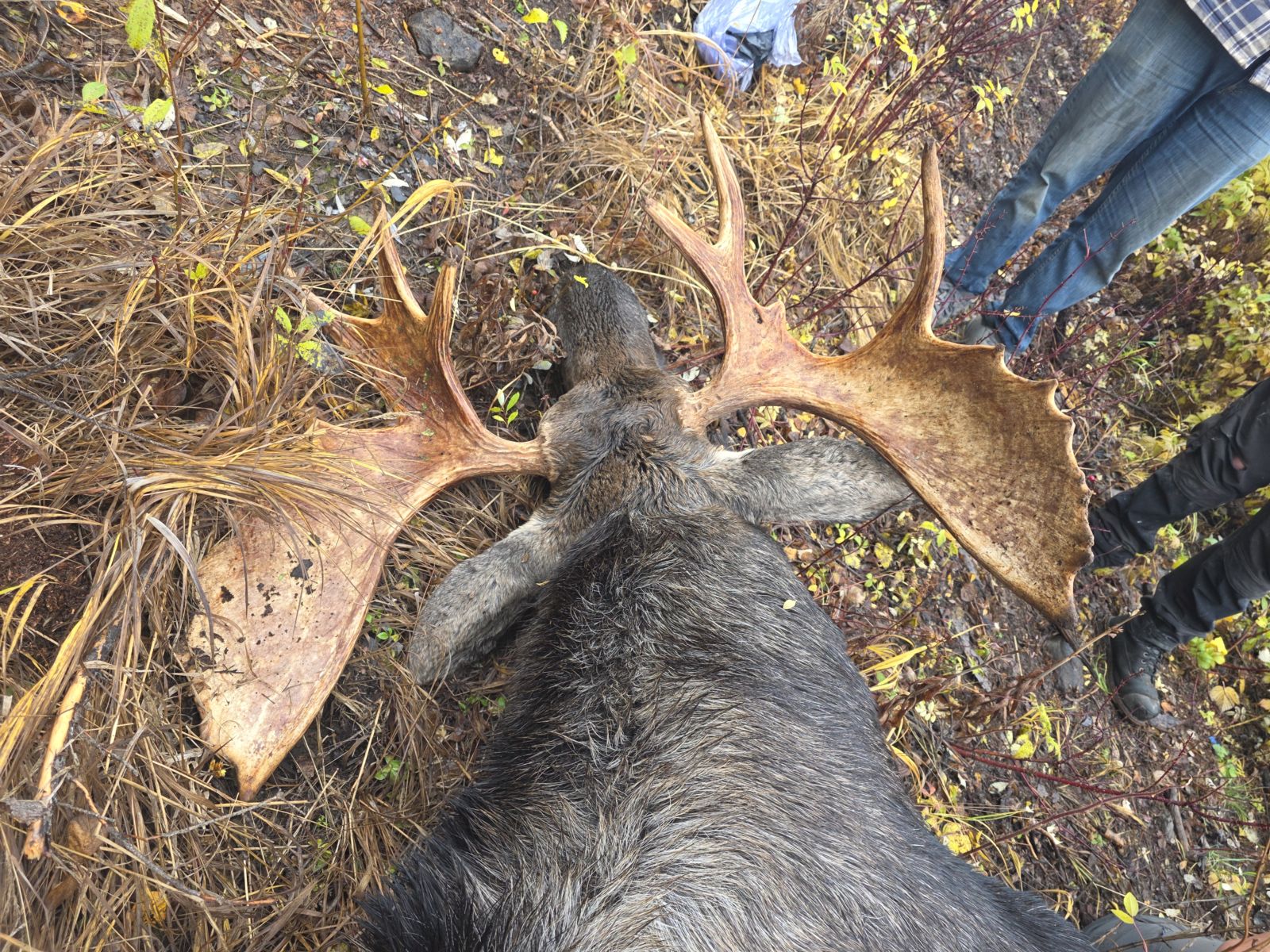
Period ending March 31, 2026

  • $19,218,321CASH AVAILABLE
  • $9,393,803TOTAL REVENUE
  • $7,247,064TOTAL EXPENDITURES
  • $2,146,739SURPLUS / (DEFICIT)

STORY IN BRIEF

For the period ending March 31, 2026, cash available totals approximately $19 million. Revenue of $9,393,803 exceeds expenditures of $7,247,064 by $2,146,739, producing a surplus (financial information is not yet audited).

TOP FIVE REVENUE SOURCES
Revenue sourceAmount
Pathway Forward 3.0 Agreement$2,110,537
BC Gaming (catch-up payment)$1,441,397
Housing Renovation Grants$1,000,000
Indigenous Services Canada (ISC)$839,079
Taxation$687,378
PROJECTS & COMMUNITY SUPPORT: TOP FIVE
Projects & SupportAmount% of spend
Economic Development Projects$866,76012.0%
General Community Support & Events$497,1226.9%
Member Distributions$469,7706.5%
Solar Panel Project$265,0993.7%
Home Renovations$206,9302.9%

Audit Update

The Fiscal Year 2025 audit is underway and is expected to be completed soon. The Fiscal Year 2026 audit is scheduled to begin in November, with completion expected in mid-December.

As part of our commitment to accountability and transparency, future reporting to members will continue to provide updates on the Nation’s financial position and how resources are being used to advance our shared priorities.

Our Nation. Our Future.

Partners named in this report

  • Pacific Trail Pipeline
  • First Nations Limited Partnership (FNLP)
  • Coastal GasLink
  • Klo Wind
  • K’uul Power
  • First Nations Financial Management Board
  • Carrier Sekani First Nations Society (CSFNS)

Mussi

Stay connected

Ts’il Kaz Koh
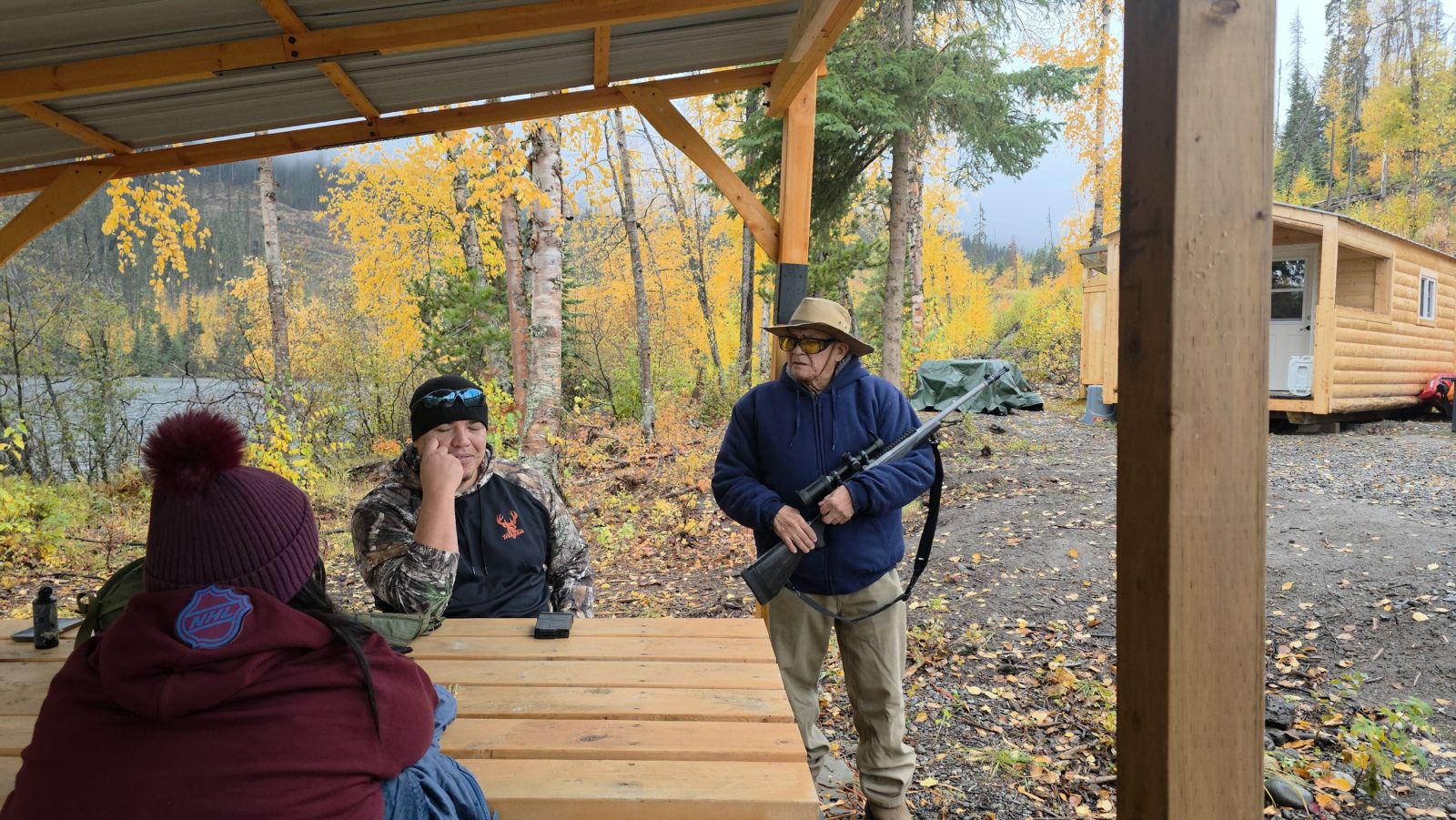
Burns Lake, British Columbia
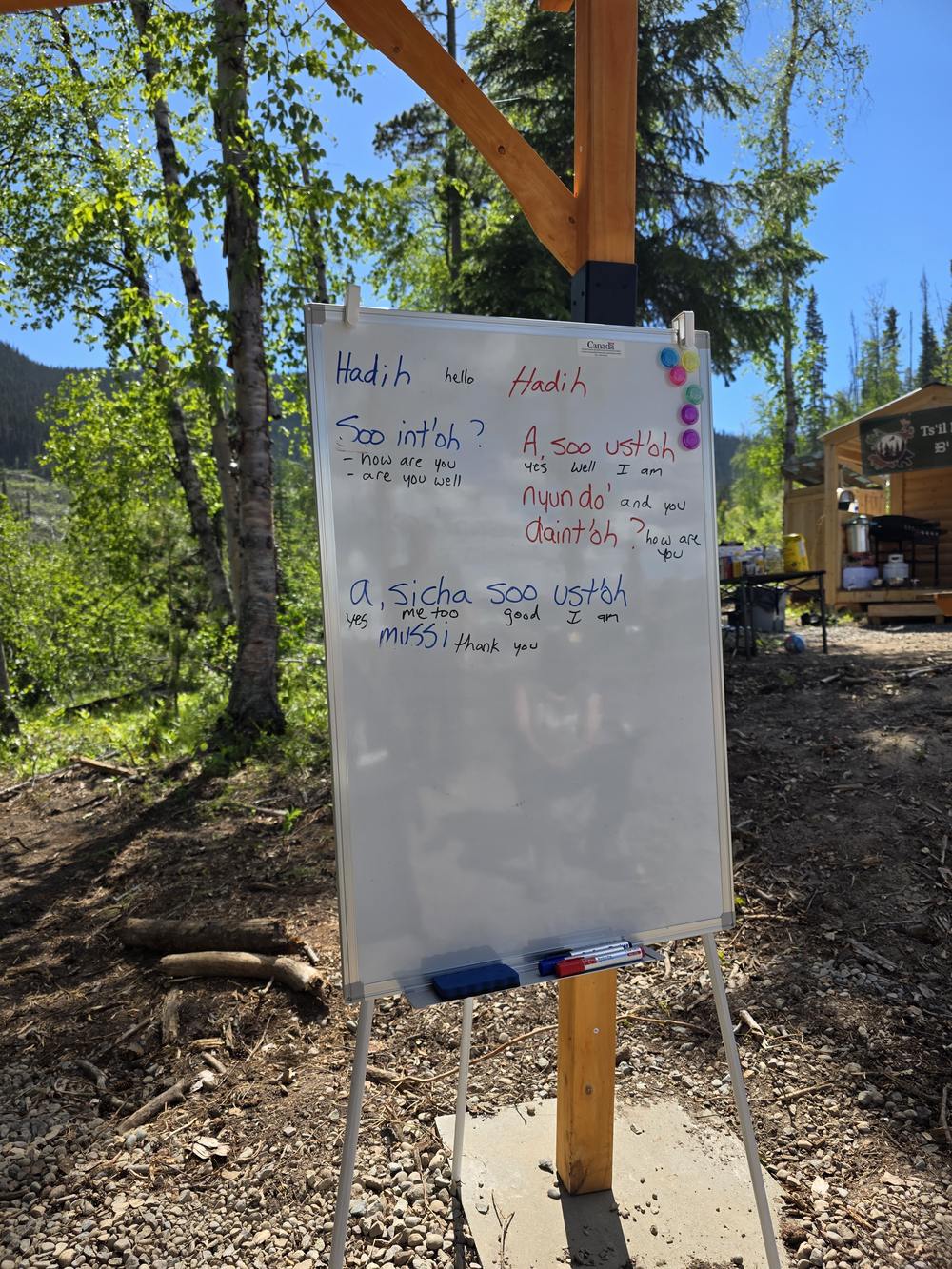
tsilkazkoh.ca250-692-7717

Print edition (PDF, about 12 MB)

Questions about this report? Call the band office or visit the Nation’s website.

Aerial view of a long lake under a summer sky, with hills behind and a town along the near shore.